
Arches 7x2 - Best Deals in UK!
Showing all 2 results
-
23% OFF: Forest Classic Flat Top Wooden Garden Pergola Arch 6’11 x 2’4 £91.9923%

-
19% OFF: Forest Hanbury Flat Top Wooden Garden Pergola Arch 6’10 x 1’8 £71.9919%

7×2 garden arches bring a narrow, space-smart frame for climbing plants, entrances and pathways, with tidy proportions that suit compact gardens, borders and paired planting schemes.
A slim frame with a clear purpose
An Arches 7×2 design is all about proportion. The 7ft height gives climbing plants room to lift the eye, while the 2ft width keeps the footprint neat. That makes this type of arch a good fit where a wider structure would feel heavy or simply take up too much room. It can mark a transition between two parts of the garden, frame a gate, or create a measured focal point at the end of a path without dominating the scene.
Because the width is modest, the look stays tidy and restrained. That matters if you want something that reads as a feature, but not a bulky one. In smaller gardens, a 7×2 arch can make a route feel intentional rather than squeezed in. In larger gardens, it can be used in repetition, perhaps several in a line, to create a rhythm that guides the eye. The shape is practical, yes, but it also has a certain visual neatness that suits formal planting and cottage-style borders alike.
Where the 7×2 shape feels right
The 2ft span is narrow enough for many garden situations where movement or spacing is tight. It suits:
Bestseller der Kategorie Arches 7x2
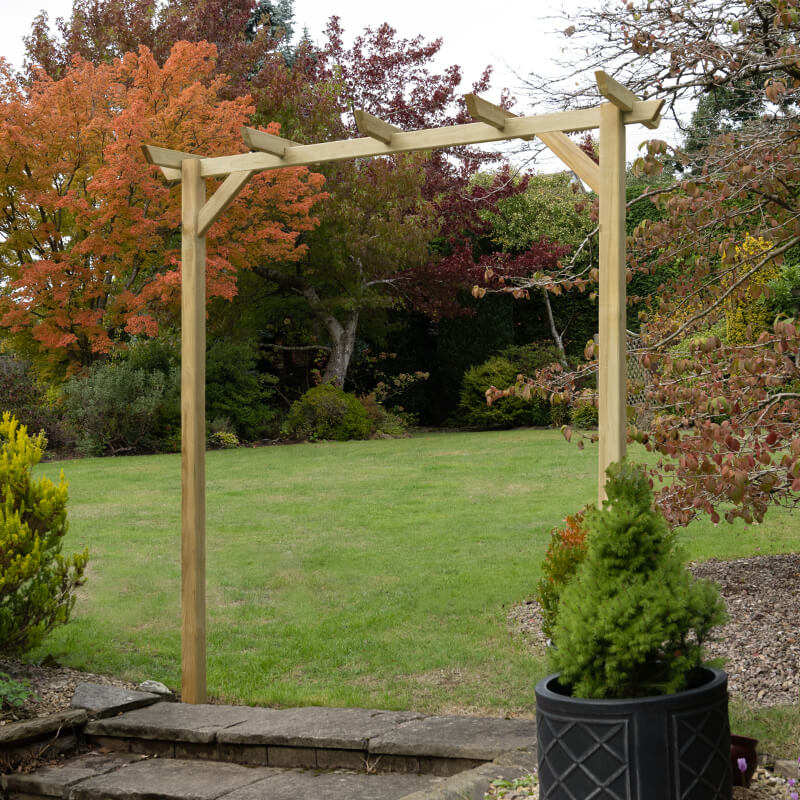
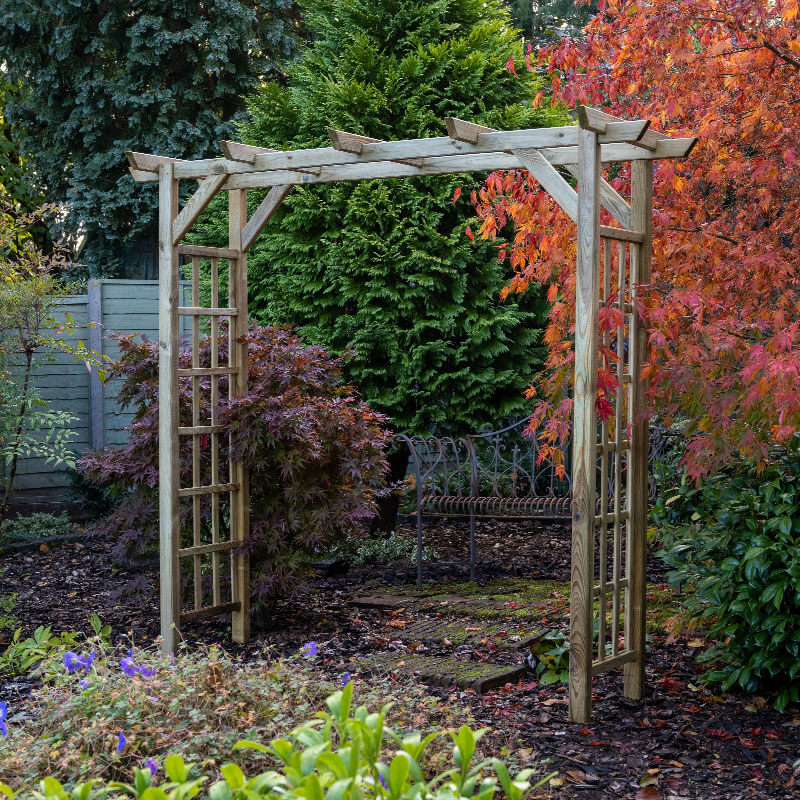
That narrower opening can also feel more intimate. A wider arch may give a grander impression, but a 7×2 arch often feels more considered, almost like a frame around a view. It can lead the eye towards a bench, a feature pot, a clipped hedge, or a deeper section of planting. The result is less about show and more about structure, which is often what a garden needs when the planting is already doing plenty of work.
Different arch styles inside the same size
Even when the dimensions stay at 7×2, the style of arch can change the whole feel. Some versions lean into a simple classic curve, while others use a sharper or more decorative profile. The difference is not just looks; it changes how the arch interacts with plants and with the space around it.
A rounded arch gives a soft, traditional outline. It works well with roses, clematis, honeysuckle, and other climbers that naturally drape and twist. The curve feels gentler and often blends in with cottage planting or informal borders.
A square-top or gothic-style arch can feel more architectural. The lines are clearer, so the structure stands out even before planting matures. In a garden with clipped hedging, gravel paths or repeating straight lines, that sharper outline can sit comfortably without looking fussy.
A slightly ornamented arch with side detailing, lattice or finials can add more visual interest. This can be useful when the arch is meant to act as a feature even in winter, when foliage has thinned. The extra detailing also gives climbing plants more points to weave through, which can help the planted effect feel fuller over time.
Material choices and what they change
For a garden arch, material affects the mood as much as the shape. The same 7×2 proportions can look light and airy in one finish, or more grounded in another.
Metal arches usually suit gardeners who want a slimmer profile. The frame can appear neat and unobtrusive, so the planting remains the star. Metal is also often chosen for more intricate scrollwork or clean straight lines, depending on the style. A black or dark finish tends to recede visually, which helps the arch sit behind the plants rather than competing with them.
Wooden arches bring a softer, warmer look. They work especially well where the garden already uses timber, sleepers or rustic features. A timber arch can feel more natural in a wildlife-friendly planting scheme or a cottage garden setting. The structure may appear slightly fuller than a metal one, which can be an advantage if you want the arch to read as a strong decorative element from day one.
Trellis-sided arches are worth noting too, because the side panels can change how the plant grows. Instead of just topping the arch, the climber gets support lower down as well. That can make the whole frame look covered more evenly, which is useful if you want a fuller green tunnel effect over a short span.
Climber-friendly forms and the plants they suit
The best thing about a 7×2 arch is how it supports climbing plants without asking for a huge amount of ground space. The narrow width encourages upward growth, so the structure can suit climbers that work hard visually in a small footprint.
Roses often look right on this kind of frame, especially repeat-flowering climbers with canes that can be trained into a neat curve. The arch gives them a clear outline, and the blooms can hang into the walkway or frame the entrance to a border.
Clematis is another natural match. With its slimmer stems and varied flowering habits, it can lace through the arch without overwhelming it. That makes it a useful choice where you want colour and height, but not a mass of heavy growth.
Honeysuckle suits the intimate scale well too. Its winding habit works with the narrow width and can soften the frame without making it feel dense. If scent matters, this can be a nice way to bring it closer to a path or seating area.
Sweet peas, though often used more seasonally, can also suit a 7×2 arch if you want a lighter, more changing display. Their slender growth pattern matches the narrow opening nicely. For a quicker visual effect, annual climbers can help the arch feel established sooner while slower climbers settle in.
Why the narrow span can be an advantage
There is a real difference between a wide arch and a 2ft-wide arch. The broader version can suit a statement entrance or a more open transition, but the narrower format does several things well. It brings focus. It keeps the garden route defined. It helps small spaces feel organised instead of cluttered.
That narrower span can also make planting look more concentrated. When a climber grows across a 7×2 arch, the eye reads the structure quickly, which helps the plant appear fuller with less material. In practical terms, this means the garden can get a strong decorative impact without needing a huge feature.
There is also a balance point here. If the arch is too narrow, it might look cramped. But at 2ft across, the shape is usually enough for decorative framing without becoming awkward. It can be especially effective where the path itself is not very wide, since the arch will mirror the scale of the route beneath it.
Formal, cottage and contemporary looks compared
Different planting styles change how a 7×2 arch reads.
In a formal garden, a narrow arch can be used in pairs or repeated down a path, creating a measured sequence. Straight lines, clipped edges and symmetrical beds make the arch feel deliberate. A simple metal frame often suits this use because the form stays clean.
In a cottage garden, the same arch can feel softer and more relaxed. Roses, jasmine, clematis or mixed climbers can spill across the outline, making the arch seem woven into the planting rather than placed on top of it. A wooden frame often sits well here, though a dark metal arch can also disappear pleasantly behind foliage.
In a contemporary garden, the 7×2 size can be used as a crisp vertical accent. Minimal planting around the base, gravel surfaces, and a clear structural line all make the arch feel part of the architecture of the garden. A squared or gothic profile often works well in this setting, as it matches the sharper geometry of the space.
Useful differences between arch types you might notice
When comparing 7×2 arches, a few details matter more than people sometimes expect.
Depth affects how stable and substantial the arch feels. Even with the same width and height, a deeper frame can look more grounded and offer more support for vigorous climbers.
Top shape changes the mood. A rounded top softens the effect, while a more angular top makes the arch read as structured and clean.
Side support determines how well the climber can grip the frame. Open sides can look lighter, but lattice or crossbars may help plants cover the arch more evenly.
Finish changes visibility. Dark finishes often fade into the planting, while lighter or natural finishes stand out more. That choice affects whether the arch acts as a backdrop or a feature in its own right.
Weight of appearance matters too. A slender frame is fine if you want the plants to do most of the visual work. A chunkier frame can feel more built-in and obvious, which may suit a more formal or permanent layout.
Small spaces, clear gains
For gardens where every inch matters, the Arches 7×2 format can be a clever fit. It gives height without spreading out too far, so the garden keeps usable width on either side. That can be important near narrow paths, side returns, or boundary runs where a wider arch would interrupt movement.
It also helps define zones. A 7×2 arch at the start of a path can signal a change from one area to another. Used across a garden, it can connect spaces in a way that feels calm and purposeful. The benefit is not only visual. It can make a modest garden feel better planned, which often makes the planting seem more confident too.
What to look for before choosing one
If you are comparing arches in this size, the key is to think about how the structure will be used once it is in the garden. Not every 7×2 arch will create the same effect.
Ask whether you want the arch to feel light and understated or solid and decorative. Think about whether the plant will be trained to cover it fully or just partly. Consider whether the arch needs to fit a pathway, frame a feature, or stand alone as a marker. Those decisions affect which style makes sense more than colour alone.
It also helps to look at the proportions next to nearby features. A 7ft height can look balanced beside a hedge, fence or wall, but it may appear quite different in a very open lawn space. The same arch can feel modest in one setting and more prominent in another, so the surrounding context matters a lot.
Why buyers keep coming back to this size
There is something easy about the 7×2 proportion. It is not trying to do too much. It gives the garden a point of focus, supports climbing plants and keeps the footprint sensible. That combination explains why this size keeps appearing in all sorts of garden designs, from practical side paths to decorative entrances.
It also gives flexibility. A narrow arch can be left to act as a simple frame, or planted thickly to form a more enclosed moment in the garden. It can suit a single climber or a mixed planting approach. It can feel formal or casual. That sort of range is useful when you want a feature that can adapt to the garden rather than force the garden to adapt to it.
For many buyers, the appeal is in the balance: a clear shape, a manageable width, and enough height to make even a short stretch of path feel more considered. It is a straightforward category, but one with a lot of room for personality once the right climber is in place.
Little details that make a bigger difference
Sometimes it is the smaller design points that decide whether an arch feels right.
Open or enclosed sides change how much of the frame is visible once planted.
Curved or straight lines affect whether the arch feels soft or architectural.
Plain frames or decorative scrolls decide how much attention the structure asks for before planting matures.
Single-use or repeated placement alters whether the arch feels like a one-off feature or part of a wider pattern.
These details can help you choose an arch that suits the rest of the garden rather than sitting oddly in it. A good 7×2 arch should look like it belongs, even before the climber gets going. And once it does, the structure should support the plant without stealing the scene.
A category that works hard without shouting about it
Arches 7×2 suit gardeners who want shape, support and a defined garden moment in a compact footprint. The size offers enough height for climbing plants to make an impact, while the narrow width keeps the look neat and the space usable. Whether you prefer a rounded, gothic, wooden or metal finish, the real value lies in how the arch frames movement, planting and views.
If you are after a feature that can work quietly in the background or stand out as a clear threshold, this size gives plenty of room to decide. It can be subtle or structured, planted lightly or allowed to thicken into a true green frame. That flexibility, plus the sensible proportions, is what makes the 7×2 arch such a useful choice for many gardens.
[Sassy_Social_Share]