
Arches 4x2 - Best Deals in UK!
Showing the single result

Arches 4×2 bring structure, height and a neat frame to paths, borders and entrances, with space-saving proportions that suit smaller gardens, clim
What 4×2 arches do for a garden layout
4×2 arches are a practical choice when you want a defined opening without taking over the whole space. The 4×2 proportion creates a slimmer, more guided look than a broad archway, so it works well where a garden path feels narrow, a side passage needs character, or a border wants a clear focal point. In a shop category sense, these arches tend to appeal to people who want the shape and presence of an arch, but in a size that feels measured rather than bulky.
That balance is part of the appeal. A 4×2 arch can make a transition point feel intentional: between lawn and seating area, between veg patch and ornamental planting, or at the start of a walkway. It gives a point of focus without blocking too much light, and it can make a garden seem more organised, even if the planting itself is loose and informal.
Shapes that change the mood
Within the Arches 4×2 category, shape matters just as much as size. The curve, top line and side profile all change how the arch reads in the garden. A soft rounded arch feels gentler and more classic. A pointed profile has a slightly formal edge and can suit a more structured planting scheme. A shallow curve gives a cleaner, lighter look, which can be useful if you want the arch to support the design without feeling too heavy.
Bestseller der Kategorie Arches 4x2
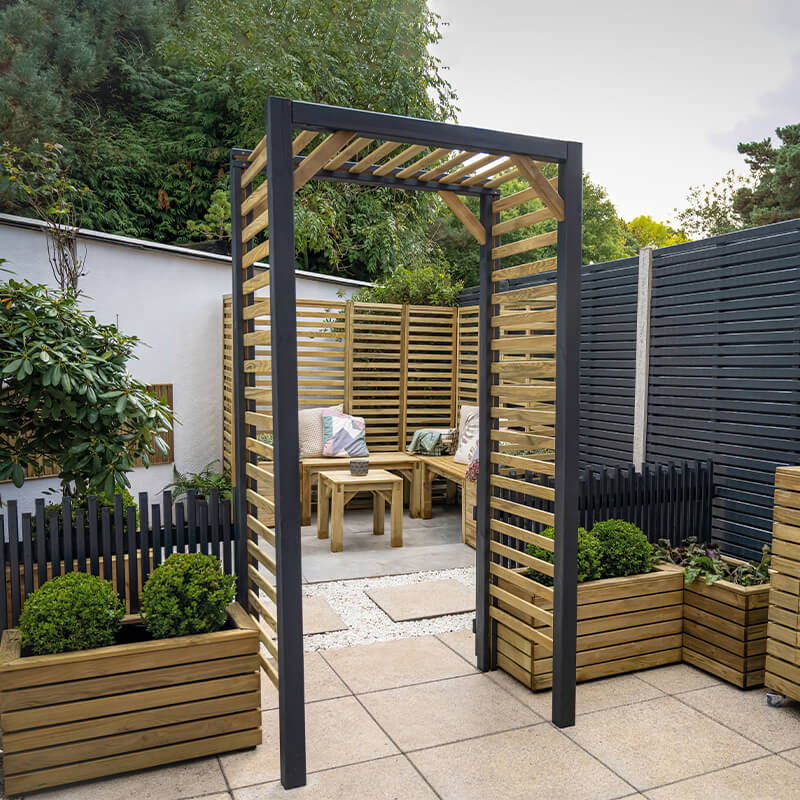
Some arches are more open at the sides, while others have a firmer outline. That difference changes how planting interacts with the frame. A more open structure lets climbers wander naturally and keeps the view through the arch clear. A firmer frame can make the opening feel stronger and more architectural. For buyers, this is often the key choice: do you want the arch to frame the garden or to become the main visual feature itself?
- Rounded arches for a softer, familiar outline
- Pointed arches for a slightly more formal character
- Shallow arches for a lighter, less dominant look
- Open-sided designs for a more airy feel
- Closer-framed structures for a defined entrance effect
The different materials you’ll see side by side
Another useful difference in this category is material. Metal arches usually give a slim profile and a tidy line, which is handy if you want the structure to disappear a little once plants start climbing. They tend to suit roses, clematis and other twining plants because the frame can be discreet while still giving support. Wooden arches offer a warmer look and often sit nicely with cottage-style planting, gravel paths and softer borders. Their visual weight can feel more natural in a planted garden, especially where you want the arch to blend in rather than stand out.
There are also practical differences in the way each material presents itself. Metal can look finer and more architectural; wood can look more relaxed and organic. A metal arch in a narrow run of paving can feel crisp and elegant. A wooden one can make a side gate, entry point or path connection seem more welcoming without becoming fussy. The right choice often comes down to whether you want a sharp outline or a more textured finish.
- Metal for a slim profile and neat definition
- Wood for a softer, more natural presence
- Open lattice sides for easier climbing plant coverage
- Solid side rails for a stronger frame effect
Where a 4×2 arch fits without crowding the space
The compact footprint is one of the biggest reasons people look for 4×2 arches. In smaller gardens, a wide arch can feel too heavy or visually dominate the route. A 4×2 size gives you the archway effect without closing things in. It can work over a short section of path, at the entrance to a kitchen garden, or as a link between two planting zones that need a bit of structure.
That size can also be useful if you want a repeated rhythm in the garden. One arch at the entrance and another deeper in the layout can make the garden feel longer and more considered. In a narrow setting, the arch helps draw the eye forward. In a broader garden, it can create a smaller moment of interest that breaks up open space without cutting it off.
It is worth thinking about how the arch will read from different angles. Viewed face-on, it gives a clear gate-like moment. Seen from the side, it becomes more of a vertical accent. That is why proportion matters so much in this category: 4×2 arches are often chosen not because they shout, but because they sit well in the scheme.
Climbing plants and the kind of support they need
When buyers look at arches, they often imagine the planting first, and that is fair enough. The structure and the plant should work together. A 4×2 arch suits climbers that can wrap, weave or latch onto the frame without needing a very broad spread. Roses can give a full, layered look. Clematis adds movement and seasonal colour. Honeysuckle creates a softer, more relaxed finish. More vigorous climbers can also be used, but the arch size makes it important to think about how quickly the planting may begin to fill the shape.
The smaller width means the arch can look full sooner, which is helpful if you want impact without waiting too long. At the same time, it can mean you need a clearer idea of whether you want a light covering or a dense canopy. Some gardeners prefer to keep the top section partly open so the curve remains visible. Others want the arch to become a leafy tunnel. A 4×2 arch gives room for both approaches, though the final feel will differ quite a bit.
- Light cover if you want the arch form to stay visible
- Full cover if you want a more enclosed, romantic effect
- Single climber for a tidy, unified look
- Mixed climbers for varied colour and a less rigid finish
How the width and depth change the experience
The 4×2 measurement is useful because it tells you something about the arch’s presence before you even see it in person. A 4-foot width offers a defined passage, while the 2-foot depth keeps the structure from feeling too deep or obstructive. In other words, this is a category for gardens where form matters, but space is still at a premium.
Compared with wider arches, a 4×2 model usually feels more focused. It can make a doorway between areas seem neat and deliberate. Compared with taller, heavier structures, it often feels lighter and easier to place in a planting scheme. That difference is especially helpful if you want a feature that supports design rather than overpowering it. It also means the arch can sit beside borders, near a fence line or in front of a small seating area without stealing the whole scene.
A narrower depth can also create a cleaner silhouette from the side. This matters in gardens where the arch will be seen from multiple points. If the side view is important, a slim frame can keep the garden looking open. If the front view is the main one, the arch can be used more like a framed moment, almost as a visual pause in the route.
Buying for style, not just for function
People often buy a garden arch because they need support for plants, but the style still matters. A 4×2 arch can give a garden a more finished look, and it can be used to signal a change in mood. A simple path suddenly feels more thought through. A plain corner gets a bit of purpose. Even an ordinary doorway into a side section can start to feel like part of the design rather than a leftover space.
This is where the category becomes interesting. Some arches lean towards traditional garden character, with familiar curves and decorative touches. Others are stripped back and plain, which can suit modern planting and hard landscaping. Buyers who want a romantic effect usually look for softer lines and room for climbers to spill. Buyers who prefer a cleaner garden often want a quieter frame that supports the planting without too much ornament.
The best choice depends on how much of the arch you want to see once it is in place. If the plan is for foliage and flowers to become the main event, then the structure can be understated. If the plan is for the arch itself to remain a feature, then shape and finish carry more weight.
Details that help you compare one arch with another
When comparing arches in this category, it helps to look beyond the general label and think about the details that affect the final result. The thickness of the frame changes how visible the structure remains under planting. The width of the opening affects how comfortable the passage feels. The height, even within a 4×2 line, changes whether the arch feels inviting or rather compact. The finish can also shift the tone from rustic to more formal.
Some arches are better suited to being a standalone feature. Others feel strongest when repeated or paired with planting on both sides. If you are building a route through the garden, a consistent arch style can give a good sense of order. If you are marking a single transition, then the arch can be more decorative. These differences are not minor; they affect how the whole garden flows.
- Frame thickness affects how prominent the arch looks
- Opening width affects the feel of the passage beneath it
- Overall height affects presence and balance
- Finish and texture shape the style of the planting around it
- Visibility from different angles changes how the arch works in the garden
Useful tips before you choose
Before choosing from the Arches 4×2 category, it helps to picture the arch in the exact spot where it will live. Not in a vague sense, but in relation to nearby borders, paving and sight lines. A compact arch can look tidy in a narrow passage yet slightly lost in a very open area. In a smaller garden, though, that same scale can feel just right.
It is also worth matching the arch to the kind of planting you already use. If the garden has lots of loose, informal planting, a plain arch may sit better than something overly decorative. If the beds are carefully shaped and clipped, a more defined arch may suit the lines around it. That kind of balance often makes a bigger difference than people expect.
Another tip is to think in layers. A 4×2 arch does not need to carry the whole idea on its own. It can work with trellis, fence panels, border planting or paving to form a sequence. Even a small arch can pull the eye along a route if the surrounding details support it.
- Measure the setting before choosing the frame style
- Match the arch line to the style of the surrounding planting
- Think about viewing angles from path, patio and lawn
- Decide on light or full planting before you buy
- Use repetition if the garden needs more rhythm
A small structure with a clear job to do
What makes 4×2 arches worth attention is that they do a very specific job. They frame, guide and divide without asking for a lot of space in return. They can be understated or more visible, plain or slightly decorative, open or planted through. That flexibility is useful in real gardens, where the layout is rarely perfect and every feature has to earn its place.
For shoppers, this means the category is not only about size. It is about the feel of the opening, the shape of the support, the material finish and the way it will sit with the rest of the garden. A well-chosen arch can make an area feel finished, even if the rest of the planting stays informal. It can also give a route more purpose, which is often enough to make a small space feel better planned.
If you are comparing options, look for the version that suits your garden’s movement, not just its measurements. A 4×2 arch should feel like it belongs there. When it does, it stops being just a structure and starts acting like part of the garden’s shape.
[Sassy_Social_Share]