
Arbours under £300 - Best Deals in UK!
Showing all 5 results
-
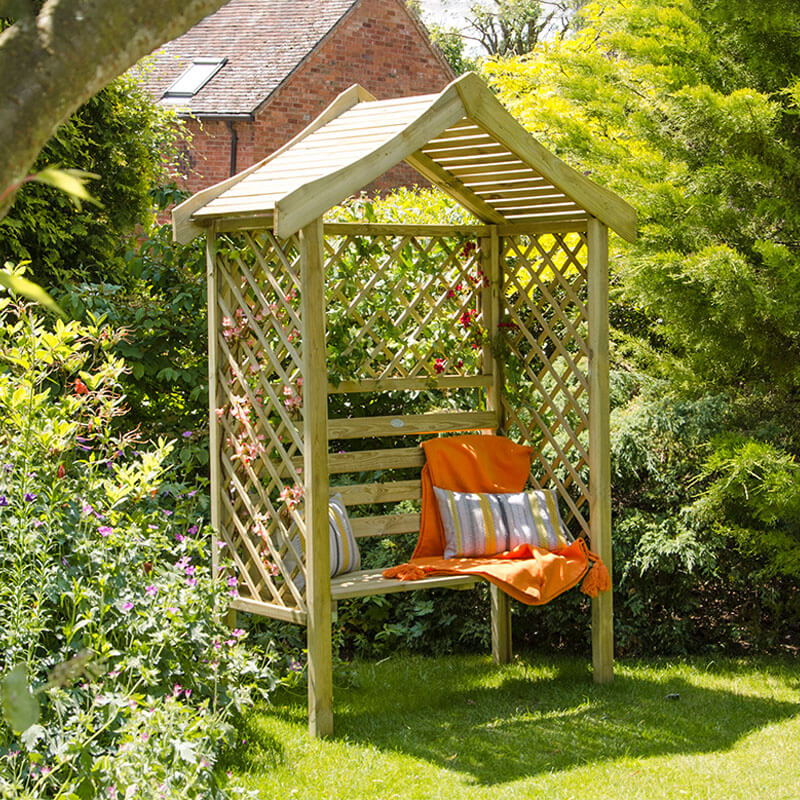
42% OFF: Forest Cadiz Garden Arbour Seat 6′ x 2′ £259.9942%

-
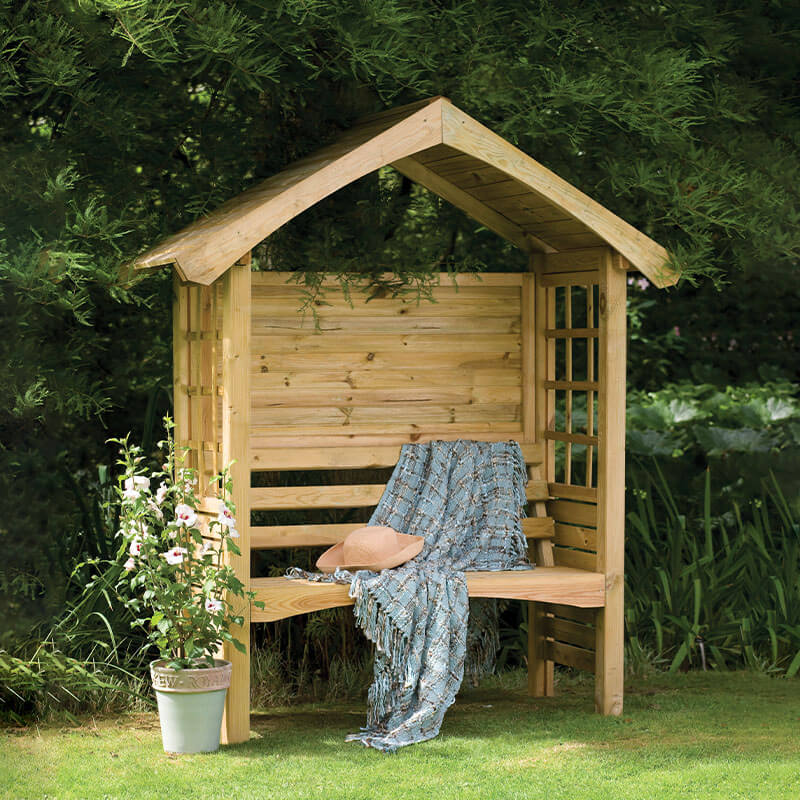
38% OFF: Forest Lyon Garden Arbour Seat 6′ x 2′ £233.9938%

-
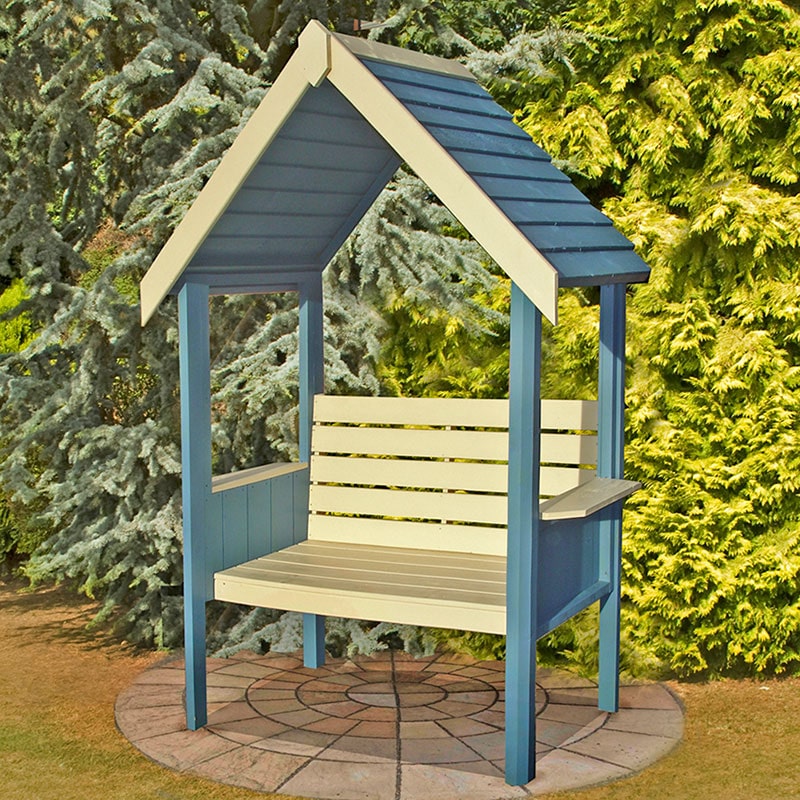
29% OFF: Shire Blossom Garden Arbour Seat 5′ x 2′ £224.9929%

-
28% OFF: Forest Parisienne Garden Arbour Seat 5′ x 2′ £229.9928%

-
12% OFF: Shire Blossom Garden Arbour Seat 5′ x 2′ £281.9912%
Arbours under £300 give you a practical way to add height, shape and a focal point to a garden without stretching the budget. Explore timber, metal and lattice styles.
Why this price band works so well
Arbours under £300 sit in a very usable sweet spot for buyers who want structure without drifting into expensive, bespoke territory. At this level you can still find pieces that bring real presence to a border, entrance or path, while keeping the spend sensible. The range often includes both simple frames and more decorative designs, so it’s easier to match the arbour to the rest of the garden rather than forcing the garden to fit the product. That makes this category useful for small front gardens, compact patios, larger lawns that need a centre point, and side returns that need a bit of character. The key appeal is not just price, but the balance of form, function and finish.
Shapes that change the feel of a space
One of the main differences in this category is shape. A straight, square or rectangular arbour tends to feel neat and architectural, almost like an outdoor doorway or frame. These suit modern patios, contemporary fences, and gardens where clean lines matter. By contrast, an arched arbour softens the view and can make a path feel more inviting. The curve draws the eye upwards and can make a modest garden seem more layered. There are also rounded and gothic-inspired forms, which lean more decorative and can add a little old-world charm without looking overdone. If you want the structure to stand quietly in the background, a simple roofline with minimal side detail usually does the trick. If you want the arbour to be noticed, a more pronounced arch, lattice sides or turned posts will do that job.
Timber, metal or mixed materials?
Within Arbours under £300, material choice makes a big difference to the overall look. Timber arbours often feel warmer and more natural, especially in cottage-style gardens or spaces with lots of planting. They work particularly well with painted fencing, gravel paths and soft planting schemes. Metal arbours, on the other hand, usually look slimmer and more defined. They can suit formal gardens, rose borders and narrow spaces where a heavier timber frame might feel too dominant. Some designs combine materials, for example a timber frame with metal fixings or a powder-coated metal structure with decorative scrollwork. These mixed looks can be useful if you want durability with a bit of visual softness. The material also influences the kind of plants that suit the frame, because some climbers prefer broader surfaces to grip, while others look better on finer supports.
Bestseller der Kategorie Arbours under £300
Styles you’ll spot across the range
The category covers more than one kind of garden statement, which is handy if you are shopping for a specific corner rather than browsing at random. You’ll often see:
- Classic arbours with a simple arched top and side panels
- Entrance arbours designed to mark a gateway or path opening
- Seat arbours that include a bench or back support
- Lattice-sided arbours for climbing plants and a fuller look
- Decorative pergola-style arbours with a more open overhead frame
- Compact arbours for smaller plots, courtyards or tight borders
Each style does something slightly different. A simple gateway arbour creates a transition, a seat arbour creates a pause point, and a lattice-sided piece builds more of a screen as plants establish themselves. This is where the category becomes interesting, because you are not only choosing a shape, you are choosing the way people move through the garden.
What to look for when comparing options
It is easy to get drawn in by the decorative side, but the details matter just as much. Look at the overall width and internal height first. A narrow opening can feel intimate, but if it is too tight it may interrupt a path or make access awkward. A taller design can feel more generous and lets trained plants climb without crowding the top. Also check the depth, because a shallow arbour gives a lighter visual footprint, while a deeper one feels more grounded and can anchor a seating area or border crossing. The style of side panels matters too: close lattice creates a more enclosed effect and gives climbers more points to weave through, whereas open sides feel airier and keep sightlines clearer. Small differences in these proportions change the whole mood.
Why some arbours feel more decorative than others
Not every arbour under £300 is trying to do the same thing. Some are made to be a simple frame around a path or bench, while others lean into ornament. You may notice turned posts, trellis infill, finials, curved braces or gentle scroll details. These features can bring a softer, more finished edge, especially in gardens that already have classic planting or traditional fencing. If the rest of your garden is busy with pattern, a plainer arbour often works better. If the garden is quite restrained, a little extra detail helps the structure earn its place. The trick is to pick a design that feels like part of the plot rather than something dropped in from another style entirely.
Arbours for roses, clematis and other climbers
Many buyers choose this category because they want a frame for climbing plants. That is where the difference between designs becomes important. A rose arbour usually benefits from a sturdier frame and a bit more width, since mature rose growth can take up space. Clematis, with its lighter stems, often suits a finer trellis or arch where the plant can weave through without looking cramped. Honeysuckle and jasmine can make a lighter structure feel more complete, while ivy can create a denser, older look over time. Some arbours are better for a single climber, others for a combination of plants. If you want a layered planting effect, a lattice-sided arbour gives more room for stems to spread and a fuller look from the side. If you prefer the structure to remain visible, choose a design with a more open top and less crowded sides.
Useful differences between open and enclosed designs
Open arbours feel less formal and let the garden breathe. They are good for spaces where you want a light touch and do not want to block views across the plot. Enclosed arbours, with thicker side panels or denser lattice, create more of a room-like feel. These can be helpful in gardens where you want to suggest a destination or give a bit of privacy along a boundary. An open design tends to work well as a passage marker, while an enclosed one can help define a pause point. This difference also changes how the structure appears in different seasons. With less plant cover, an open arbour remains elegant and simple; an enclosed arbour can still feel substantial even before the planting fills out. That can be useful if you want year-round shape rather than something that only makes sense in summer.
Seat arbours and why they appeal
A seat arbour turns the idea of an arch or frame into a place to sit, which makes it a strong choice for longer gardens, quiet corners and overlooked spaces. It offers two functions at once: a visual feature and a resting point. Compared with a plain arbour, it usually has a greater footprint and a more settled feel. These pieces are often chosen where the buyer wants the garden to feel a bit more purposeful, especially in a spot that could otherwise be unused. The style can range from simple bench-and-arch forms to more decorative backs with trellis or curved supports. If you want the structure to feel less formal, look for a seat arbour with an open back or light lattice. If you prefer something that feels a touch more enclosed, a fuller back panel gives a stronger sense of sitting within the planting.
Where they tend to work best in the garden
Arbours under £300 are particularly effective in places where a standard planter or ornament would not do enough. A path entrance is an obvious spot, but they also work well at the end of a view line, beside a lawn edge, or where one zone of the garden changes into another. In smaller gardens, an arbour can mark a transition without taking up the room that a larger pergola might need. In bigger gardens, it can provide a moment of scale, especially if the surrounding borders are broad and you need a vertical point to stop the eye drifting too far. The best placement usually depends on whether you want the arbour to frame a view, create a threshold, or support planting that would otherwise sprawl. That choice affects the whole layout, so it is worth thinking about before buying.
Things that make one arbour feel sturdier than another
Sturdiness is not only about weight. The way the frame is joined, the thickness of the posts, and the shape of the bracing all make a difference. A well-proportioned arbour usually has balanced legs, sensible support across the top, and side panels that do not look too flimsy for the structure’s size. Wider posts can give a more anchored feel, while slimmer posts look refined but may suit lighter designs better. Cross-bracing and reinforced corners often help the arbour feel more stable in the garden visually, even before any fixing is considered. This matters if the arbour is going to sit at the end of a path or act as a focal point, because a piece that looks steady from the start tends to settle into the garden more naturally. It is a small thing, but it affects confidence when browsing.
Buying tips that help narrow the choice
If you are trying to choose from several Arbours under £300, a few practical questions can make the decision clearer:
- Do you want a gateway effect or a seating spot?
- Should the shape feel arched and soft or straight and formal?
- Would you rather have open sides or lattice panels?
- Is the main role to support climbers or to stand as a feature on its own?
- Will the finish need to sit quietly with fencing, paving or planting already in place?
Answering these points can stop the choice feeling too broad. A buyer who wants a rose-clad entrance will be looking at something different from someone who wants a bench and a bit of shade-like presence. It sounds obvious, but people often choose the look first and then realise the proportions are not quite right.
How to think about style, not just price
Budget is only part of the story. An arbour that looks right in the garden is often worth more than a cheaper one that feels out of place. If your garden already has lots of curves, a softly arched arbour will sit in better. If the boundaries are straight and the paving is angular, a square-top or more structured design may fit the layout better. Likewise, a rustic timber finish can feel ideal beside mixed planting and natural materials, while a painted or darker metal finish can sharpen a neater scheme. The point is to match the visual language of the garden. When the style and setting speak the same way, the arbour looks settled, not forced. That is usually what makes a buyer feel they picked the right thing.
Small choices that change the final look
Little details can shift an arbour from plain to more characterful. The top rail may be flat, curved or pitched. Side panels might be diagonal, square grid or fan-shaped. Posts can look chunky or slim. The opening can be broad and airy or a little tighter and more intimate. Even the way the top connects to the side frame alters the impression, because some designs feel almost like a miniature pavilion while others read as a simple garden arch. These distinctions help when you are comparing options in the same price range, because two arbours may share a similar cost but feel very different in the garden. If possible, think in terms of silhouette first, then detail second. The silhouette is what people notice from a distance.
Why this category suits many kinds of buyers
This is a flexible category because it can answer different needs without demanding a big spend. A first-time buyer may want a straightforward timber arch to soften a side path. A more experienced gardener might look for a lattice-sided frame to support an established climber. Someone wanting to divide a larger space may choose a more enclosed design with a stronger presence. And if the aim is just to add a point of interest, a simple arbour can do that without crowding the rest of the plot. The range under £300 gives enough variety to cover these different intentions, which is why it is such a useful bracket. You are not locked into one look, and that makes browsing a bit more rewarding than it first seems.
Final thoughts for choosing the right one
The best Arbours under £300 are the ones that suit the scale of your garden, the shape of your planting and the role you want them to play. Think about whether you need an entrance marker, a seat, a support for climbers or simply a feature that brings height to a flat area. Compare the shape, the openness of the sides, the material and the overall proportion, not just the price tag. When all of those parts line up, the arbour stops being just another garden item and starts to feel like part of the layout. That is where the category really earns its place: in giving you a defined, attractive structure that can lift a space without making the project feel overcomplicated.
[Sassy_Social_Share]