
Arbours 5x3 - Best Deals in UK!
Showing all 2 resultsSorted by price: low to high
-
11% OFF: Shire Forget-Me-Not Garden Arbour Seat 5′ x 3′ £370.9911%

-
12% OFF: Shire Rose Garden Arbour Seat 5′ x 3′ £396.9912%
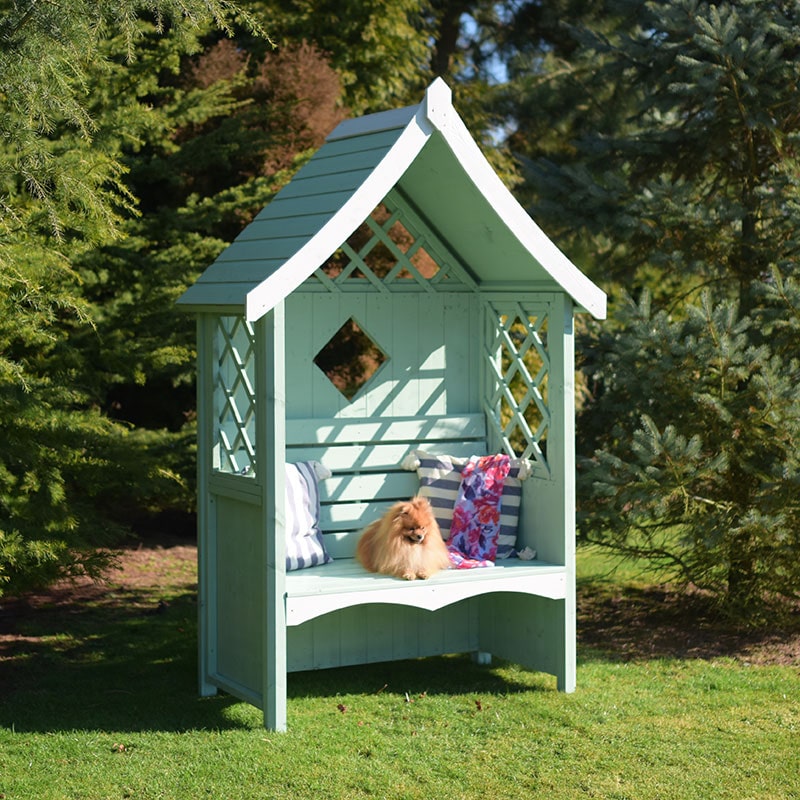
5×3 arbours bring structure, shade and a defined garden entrance in a compact footprint, ideal for climbers, seating corners and neat pathways. Compare styles, shapes and finishes.
Popular products in this range
Why a 5×3 Arbour Feels Right in the Garden
A 5×3 arbour sits in that useful middle ground where it feels substantial without taking over the space. The 5 x 3 size works well for narrower patios, side passages, small lawns, cottage borders and entrance points that need a clear focal feature. It gives you enough presence to frame a view, support climbing plants and create a sheltered spot, yet it does not demand a large garden plot.
Because the proportions are more elongated than square, a 5×3 arbour can guide the eye along a path or draw attention towards a gate, pond, seating area or planting bed. That makes it a practical choice when you want the garden to feel organised but not rigid. It can act as a soft divider between zones, or as a quiet feature on its own, with a shape that feels tidy and easy to place.
What the 5×3 Proportions Mean in Practice
When people compare arbours, the exact footprint matters more than they first think. A 5×3 arbour usually offers a longer front or side span than a small square model, so it has a more graceful line through the garden. That difference can change how the whole area reads. A square arbour tends to sit still in the landscape, while a rectangular 5×3 design often feels more directional and open.
This shape is useful if you want a piece that links one area to another. For example, a 5×3 arbour can sit beside a path and mark a transition from lawn to seating area, or from one planting style to another. It can also work well where there is limited width but enough length to make the feature count. If you are trying to avoid clutter, this proportion gives character without making the area feel crowded.
Classic Arbour Shapes and How They Read
Not every arbour is built in the same form, and that is part of the appeal. A 5×3 arbour may come in a traditional arched shape, which softens the outline and suits roses, clematis or other climbers that look good trailing over a curved top. An arched frame feels more romantic and less formal, even when the lines below are simple.
A flat-top arbour gives a cleaner, more modern profile. It suits gardens with straight path edges, rectangular paving or contemporary fencing. This style can feel a bit more architectural and can sometimes make the area look taller and more structured. Then there are trellis-sided arbours, which lean into planting and make a strong visual link between frame and foliage. The side panels matter here, because they create a richer backdrop once the climbers begin to fill in.
Some designs are more enclosed, with deeper side panels or partial backrests, while others stay open and airy. A more enclosed arbour can feel like a nook, where you pause for a minute and the garden seems to wrap around you. An open version is better if you want movement, visibility and a lighter outline. The right one depends on whether you want the feature to frame a view, mark a route, or form a place to sit.
Materials That Change the Look
The material choice shapes the mood as much as the size does. A wooden 5×3 arbour has a natural feel that blends easily with lawns, bark chippings, roses and cottage planting. Timber can look relaxed, especially if the grain and joints are left visible. It also suits rustic, traditional and country-inspired gardens. The key difference is not just appearance but how the material meets the overall style of the outdoor space.
A metal arbour brings a slimmer visual line, often with finer detailing and a more delicate silhouette. This can work nicely in smaller gardens where a heavy frame might feel too dominant. Metal designs are often chosen where an intricate profile is wanted, especially if the garden already has wrought iron fencing, lanterns or decorative edging. The contrast between open metalwork and dense planting can be quite striking.
There are also mixed styles that combine solid sections with lattice or trellis elements. These can be useful when you want a little privacy without closing the space off completely. The important thing is to match the material to the feel you want: soft and planted, neat and defined, or light and decorative. That choice changes the entire impression of the arbour, not just its durability or price.
Where a 5×3 Arbour Fits Best
A 5×3 arbour is particularly useful in places where the garden needs a clear pause point. At the end of a path, it can act as a small destination. Over a walkway, it becomes a threshold. Beside a border, it can frame flowers without blocking the view. This size is also handy near a patio edge, where a little height and shape can make the area feel more finished.
It works well in gardens that are long and narrow, because the rectangular footprint echoes the shape of the space instead of fighting it. That can make the layout feel calmer. In more open gardens, a 5×3 arbour can be used to break up a large lawn into defined sections. It gives structure without needing walls or fences, and it does that in a way that still feels soft and plant-friendly.
If you are thinking about seating, this size can mark a small resting spot rather than a full seating shelter. That is useful when you want a bench-style moment rather than a built-in room outside. The result is less about enclosure and more about atmosphere, which is often exactly what a garden feature should do.
The Climbing Plants That Suit the Frame
The appeal of an arbour often lies in how it works with planting. A 5×3 arbour gives climbers a neat support structure without leaving huge gaps to fill. That makes it a smart fit for roses, honeysuckle, clematis, jasmines and other trailing varieties that like a clear frame to travel across. The shape of the arbour affects how those plants will read once established.
An arched top is ideal for plants that naturally drape and soften the curve. A flat-top frame suits more upright, trained growth where the lines can be kept a bit more regular. Trellis sides are useful if you want the planting to spread outward rather than just overhead. The difference is not only decorative; it changes how much of the frame stays visible and how much becomes hidden behind leaves and flowers.
For buyers, that means the structure should be thought of as part of the planting design, not just a stand-alone object. A 5×3 arbour can look sparse in its first season, then completely transformed once the climbers begin to knit across it. That gradual change is part of the appeal, and it suits gardeners who like a feature that develops character over time, not all at once.
Open, Sheltered or Screen-Like: Different Uses of the Same Size
Even within the same 5×3 footprint, arbours can serve different purposes. An open-sided arbour is good when you want to keep views clear and the garden feeling spacious. This style creates a simple frame, almost like a doorway without a door. It is useful in smaller gardens because it avoids heavy visual blocks.
A more sheltered arbour, with denser sides or higher panels, creates a more intimate spot. It can make a narrow area feel purposeful, especially if the garden lacks a natural pause point. Then there are screen-like designs, which provide a partial division between areas. These are handy where you want to hide a less tidy corner, filter the view towards a bin store, or gently separate a seating area from a working part of the garden.
The differences may seem subtle, but they change how the arbour is experienced. Open frames feel lighter and more decorative. Sheltered ones feel a bit more enclosed, which can be useful when you want a sense of retreat. Screen-like forms sit somewhere in between, offering structure without making the garden feel cut off. Choosing among them is less about fashion and more about how you use the space day to day.
Why Buyers Like the 5×3 Format
There are a few practical reasons why a 5×3 arbour keeps getting chosen. First, it is manageable. It is large enough to make a visual statement, but not so large that it becomes difficult to place in ordinary gardens. Second, it tends to suit standard domestic layouts better than oversize arches or pavilions. That makes it an easier fit for front gardens, side returns and narrow back spaces.
Third, the proportion often feels balanced beside paths and planting beds. You can place it without having to redesign the rest of the garden around it. That matters if you want a feature that improves the space rather than dominates it. A good arbour should look as though it belongs there naturally, even if it has been used to bring order to the layout.
Buyers also appreciate the way this size can add value to a garden without needing a major building project. It is a relatively simple way to introduce height, shape and texture. And because it works with planting, it has the potential to become more attractive over time rather than less. That slow gain in character is part of the attraction.
Small Differences That Make a Big Visual Change
With arbours, tiny design changes can alter the whole tone. A curved top feels softer than a straight one. A deep trellis side offers more support than a light side panel. Wider uprights give a sturdier, more grounded look, while slimmer lines feel less formal. Even the spacing of the slats can change how much light moves through the structure.
In a 5×3 arbour, these details matter because the size is compact enough for every line to be noticed. A heavier frame can feel secure and grounded, but if the garden is already small, it may look a bit strong. A finer frame may seem more delicate, but it can also appear more open and inviting. There is no single right choice; the difference depends on whether you want the arbour to stand out or blend in.
Some designs are better for showing off planting, while others are better for shaping the garden even when the plants are still young. If you like a strong structure from day one, pick a frame with clearer form. If you want the plants to do more of the visual work, choose a design that leaves room for growth and weaving. That balance is often what makes a good purchase feel right later on as well.
Tips for Choosing the Right One Without Overthinking It
Start by looking at where the arbour will sit and what it needs to do. If the space is narrow, a lighter-profile 5×3 arbour may suit better than a dense one. If you want a feature point at the end of a path, a more defined arch or frame can help draw the eye. If the goal is to support climbers, look closely at the side structure and top shape so the plant has enough to grip.
It also helps to think about the rest of the garden materials. Timber arbours tend to sit well with fences, sleepers and natural planting. Metal versions can echo railings, gates and more formal edging. Try to match the mood, not just the colour. A mismatch can make the garden feel slightly disconnected, even if each individual element looks fine on its own.
Another useful point is to consider how much of the arbour you want to remain visible once it is planted. Some buyers want the frame to be seen clearly, almost like a design object. Others want the planting to take over. Both approaches work, but they lead to very different results. Knowing which one you prefer makes the choice much easier.
A Feature That Feels Like Part of the Garden, Not an Add-On
The best thing about a 5×3 arbour is that it can feel integrated rather than imposed. It adds height where the garden may only have low planting. It adds a shaped moment where the borders may be soft but unstructured. And it creates a place people naturally notice, without needing a big footprint. That is a useful combination when you want something attractive but not overdone.
For many buyers, the decision comes down to whether they want a feature that simply fills space or one that gives the garden a reason to pause. A 5×3 arbour tends to do the latter. It creates a frame, encourages planting, and brings a sense of direction to the layout. It is not just a decorative piece; it is a way of organising the outdoors in a quietly practical way.
If you are choosing between forms, materials and levels of openness, the 5×3 format gives you enough room to be selective without going beyond what most gardens can handle. That mix of shape, scale and function is what makes it such a steady choice for buyers who want something that looks planned, not accidental.
- Arched 5×3 arbours for a softer outline and climbing roses
- Flat-top designs for a neat, more architectural finish
- Trellis-sided arbours for stronger plant support and a fuller look
- Open frames for lightness and clear views
- Sheltered styles for a more private, tucked-away feel
- Wooden finishes for a natural, relaxed garden character
- Metal finishes for finer detail and a slimmer profile
When chosen well, a 5×3 arbour does more than mark a spot in the garden. It adds shape, supports planting, and gives the space a sense of intention that is easy to enjoy every day. For buyers comparing forms, this size offers a useful balance of presence and restraint, which is often exactly what the garden needs.