
Accessories under £600 - Best Deals in UK!
Showing the single result

Garden accessories under £600 for outdoor spaces of every size, from practical storage and lighting to decorative finishes, durable planters and comfort-led extras that help a terrace, patio or lawn feel more complete.
Small pieces, big change
It is often the accessories that make a garden feel thought-through rather than simply furnished. Under a £600 budget, there is plenty of scope to add pieces that do more than fill a gap: they can shape how the space is used, how it looks at dusk, and how easy it is to move from one part of the garden to another. The right add-ons can also help different areas work together, whether that means matching the finish of an outdoor dining set, softening a paved corner, or giving a planting scheme a sharper edge.
This category brings together items that sit between the practical and the decorative. You might choose a statement planter, a shade solution, a garden mirror, a fire feature accessory, or something more useful like a storage chest, an outdoor cushion box, or a side table for drinks and bits and pieces. The benefit is not just visual. Good accessories help define zones, support everyday use, and make an outdoor area feel less temporary, more lived-in.
What this price band opens up
In the sub-£600 range, you are not limited to small decorative items, and that is where the category gets interesting. You can look at accessories in a few different forms, each with its own use:
Bestseller der Kategorie Accessories under £600
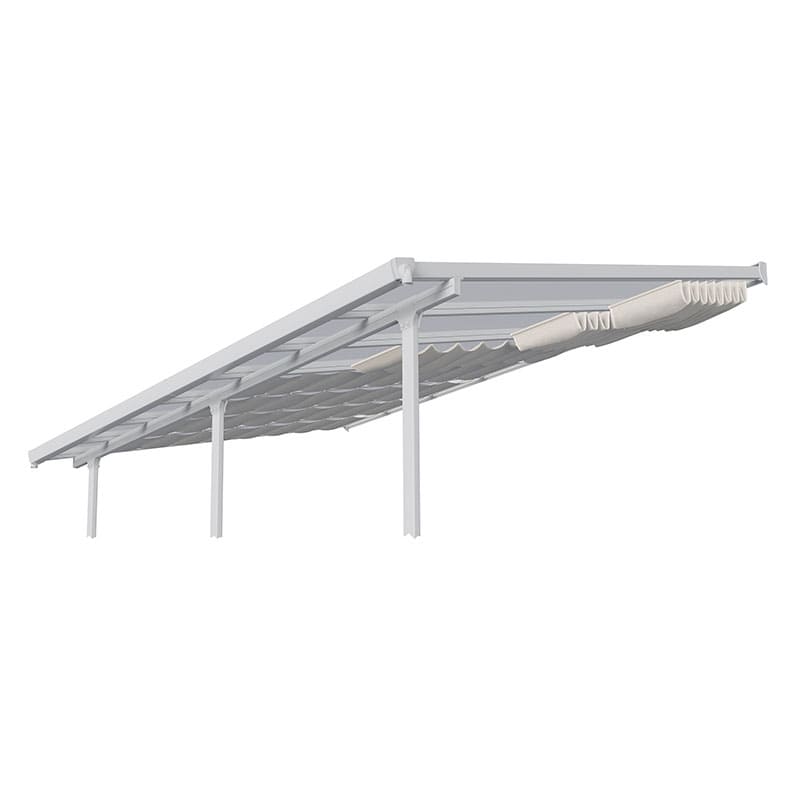
- Decorative accessories such as lanterns, mirrors, sculptures, and ornament-style pieces that bring character without taking over the layout.
- Functional accessories such as storage boxes, trays, parasol bases, plant stands, and cushion storage that earn their place every day.
- Comfort-led pieces like outdoor rugs, cushions, throws, and shade additions that make seating areas more inviting.
- Display accessories including tiered stands, pedestal planters, and shelves that help height vary across a space, which is often what a flat patio needs.
- Atmosphere pieces such as lighting accessories and reflective elements that give the garden a different feel after dark.
The point is not to buy a lot of little things for the sake of it. It is to choose pieces that solve a gap in the space. Maybe the dining area feels bare, maybe the planting needs height, or maybe there is a corner that looks a bit unfinished. Accessories can sort that out without a full redesign.
Different shapes, different jobs
One of the easiest ways to narrow down accessories is by shape. That sounds simple, but the shape of an accessory changes how it reads in the garden. A round planter can soften a square terrace. A rectangular storage box tucks neatly against a wall. A tall narrow piece works where floor space is tight. A low, wide item is better when you want something visible but not bulky.
For example, circular forms often feel relaxed and friendly, especially near seating. Square and angular designs usually look sharper and more architectural, which suits modern paving or straight-edged borders. Oval and curved pieces sit somewhere in between, giving a softer line without looking too informal. If your garden already has strong hard landscaping, a curved accessory can stop everything from feeling too rigid. If the planting is loose and layered, a more structured item can bring balance.
There is also a useful difference between low-profile accessories and raised pieces. Low items tend to blend into the scene and support the overall layout. Raised items draw the eye upwards, which helps when you want to create depth or make a seating area feel more enclosed. It is a small thing, but in a garden it matters quite a lot really.
Materials that change the feel
Within this category, the material often decides whether an accessory feels crisp, rustic, lightweight, or a bit more solid. Under £600, you can find options in a range of finishes that each bring a different tone.
Metal accessories tend to work well when you want clean lines or a more contemporary look. They can feel compact and purposeful, especially in black, graphite, or softer powder-coated tones. Wooden accessories bring warmth and suit more natural planting schemes, but they can also look smart in a structured garden if the shape is simple. Rattan-style and woven finishes soften a setting and are often chosen for relaxed seating spaces. Ceramic, stone, and concrete-look pieces have more visual weight, which helps them hold their own in larger gardens or on exposed patios. Glass and mirrored elements are useful where light is limited, as they reflect brightness and can make a shaded area feel less flat.
Some accessories combine materials, which can be useful when you want practicality and style in one item. A metal frame with a slatted shelf, for instance, can feel lighter than a fully solid piece. A woven outer with a structured inner can look softer while still keeping shape. These mixed constructions often give more options without pushing the look too far in one direction.
Accessories that earn their place
There is a clear difference between decorative extras and accessories that genuinely improve how a garden works. The useful ones tend to be the pieces people end up using more often than expected. A storage bench or cushion box can keep seating tidy and cut down on clutter around doors. A parasol base does not sound exciting, but it allows a shaded area to stay stable and usable. A drinks trolley or side table helps when you are moving between dining and lounging, so you do not end up balancing glasses on a plant pot. It happens.
Other practical accessories include:
- Plant stands for adding height and making small pots feel more deliberate.
- Garden trays for carrying items outdoors in one go and creating a tidy surface for serving.
- Outdoor rugs that define a seating zone and visually connect furniture pieces.
- Parasol accessories that help shade feel more secure and better placed within the layout.
- Storage solutions that keep bits out of sight and make the garden feel less cluttered.
The difference between a good and a not-quite-right accessory is often about proportion. A storage box that is too small disappears into the scheme and does not solve enough. One that is too large can dominate the area. The sweet spot is the piece that feels useful but not awkward, present but not pushy.
Adding height, layers and a bit of rhythm
Many garden spaces look unfinished because everything sits at the same level. That is where accessories are especially handy. Tiered stands, tall planters, and raised decorative pieces create layers, which helps the eye move through the space. When you mix heights, even a modest patio can feel more considered.
This is also where the difference between single-piece accessories and grouped accessories matters. A single strong item can act as a focal point. A group of smaller items, placed with a bit of spacing, can create rhythm without stealing attention from the planting. If the garden already has a lot going on, a single neat piece may be enough. If the space is plain or open, a small cluster can make it feel more complete.
It is worth thinking about the edges of a garden too. Corners often need something tall, while long blank walls usually benefit from a sequence of smaller items. Along a path, repeated shapes can guide movement in a quiet way. In other words, accessories can do some of the layout work for you, which is handy if the rest of the garden is staying as it is for now.
Outdoor comfort without making it fussy
Comfort-led accessories can change how long people stay outside. That does not have to mean turning the garden into a lounge room. Small touches are often enough. Cushions bring softness and colour, throws add a more relaxed feel on cooler evenings, and outdoor rugs help create a proper seating zone instead of a loose collection of chairs. These pieces are useful in smaller gardens too, where each item needs to pull its weight.
There are subtle differences worth noting. A bold patterned accessory can make a plain set-up feel more personal, while a textured neutral usually sits more quietly and works across seasons. Smooth finishes are easier to style in modern spaces, while slubbed or woven textures feel more casual. If the furniture is already detailed, a simple accessory tends to be enough. If the furniture is plain, the accessory can carry more visual interest.
Comfort pieces are also a sensible choice when you want flexibility. They are easy to swap between areas, so one cushion or rug can do a lot of work across the year. Just in a different spot, you know.
Light, reflection and evening atmosphere
Accessories that affect light are useful because they change how the garden feels after sunset without requiring a complete lighting scheme. Lantern-style pieces, reflective ornaments, and mirrored finishes can all help catch what light is already there. This is especially effective in narrow gardens, shady corners, or spaces with walls that need softening.
There are a few visual differences to keep in mind. Opaque accessories make stronger silhouettes and can feel calmer in daylight. Open-frame designs let light pass through them, which works well if you do not want the piece to look heavy. Reflective surfaces bounce light around, but should be used with a bit of restraint so the space does not start to feel overdone. Sometimes one reflective item is enough. More than that and it can get a bit too much.
In practical terms, evening-friendly accessories are a good pick for gardens used after work or at weekends. They help bridge the gap between daytime planting and nighttime use, so the area feels thought about rather than switched off when the sun drops.
How to choose without overbuying
With a budget under £600, it makes sense to choose accessories that work together rather than buying too many separate items. A useful approach is to start with the main gap in the garden. Is it storage, shade, softness, height, or a finishing touch? That one question usually points to the right kind of accessory.
Then look at three practical details:
- Scale – the accessory should suit the size of the area, not fight it.
- Finish – whether you want matte, textured, glossy, woven or reflective, the finish changes the whole tone.
- Purpose – a piece that looks good but does nothing may not earn its place if space is limited.
It can also help to choose one stronger piece and a couple of quieter ones. That gives the garden structure without making everything compete for attention. A large planter plus a couple of smaller matching accessories often feels more balanced than five unrelated items. Matching exactly is not always needed either; coordinated tones usually do the job better than a perfect set.
What makes this category worth browsing
Accessories under £600 are useful because they let you make clear changes without committing to a full overhaul. You can bring in a new material, add height, create a cozier seating area, or add storage that makes the whole garden look tidier. You can also update the feel of the space more easily as the seasons shift, swapping visual weight, texture, or tone rather than starting from scratch.
That flexibility matters. A garden is rarely used in just one way, so accessories that can adapt are often the ones people keep reaching for. A planter can define an entrance one month and hold a feature plant the next. A rug can mark out dining space now and soften a reading corner later. A storage piece may hide cushions in summer and outdoor bits that would otherwise end up scattered by the back door. These are small shifts, but they add up.
If you are browsing for something that feels useful, looks right, and does not take over the budget, this category gives you plenty to work with. The best accessory is often the one that solves a small problem while quietly improving the whole scene. Which is, honestly, why they tend to get noticed more than you might expect.
[Sassy_Social_Share]