
Accessories under £400 - Best Deals in UK!
Showing all 3 results
-
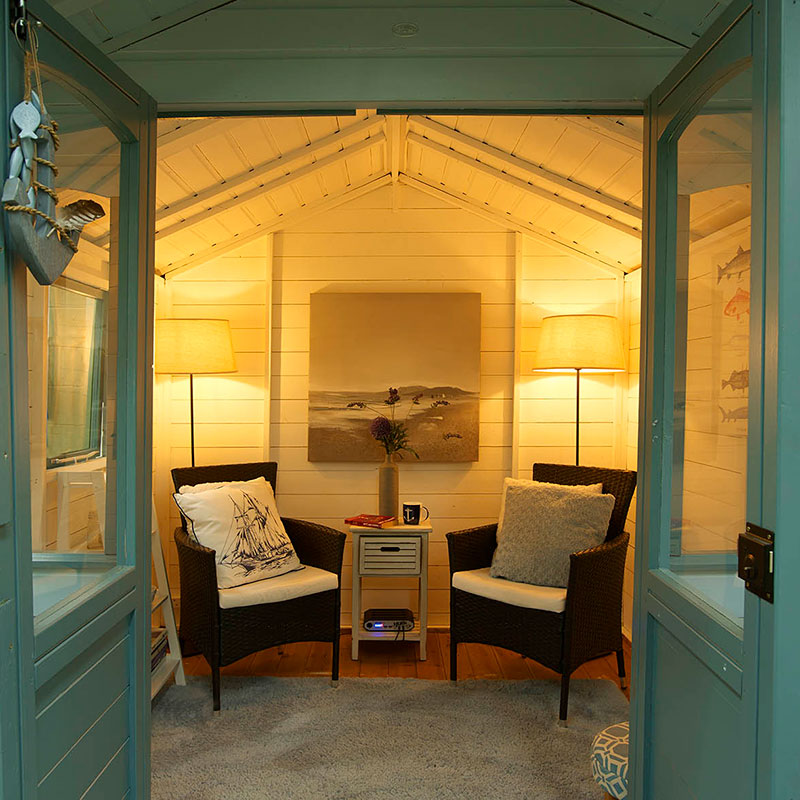
12% OFF: Solartech Premium Garden Building Solar Lighting Kit 8 – Suitable for Buildings upto 4m x 4m (14′ x 14′) £305.9912%

-
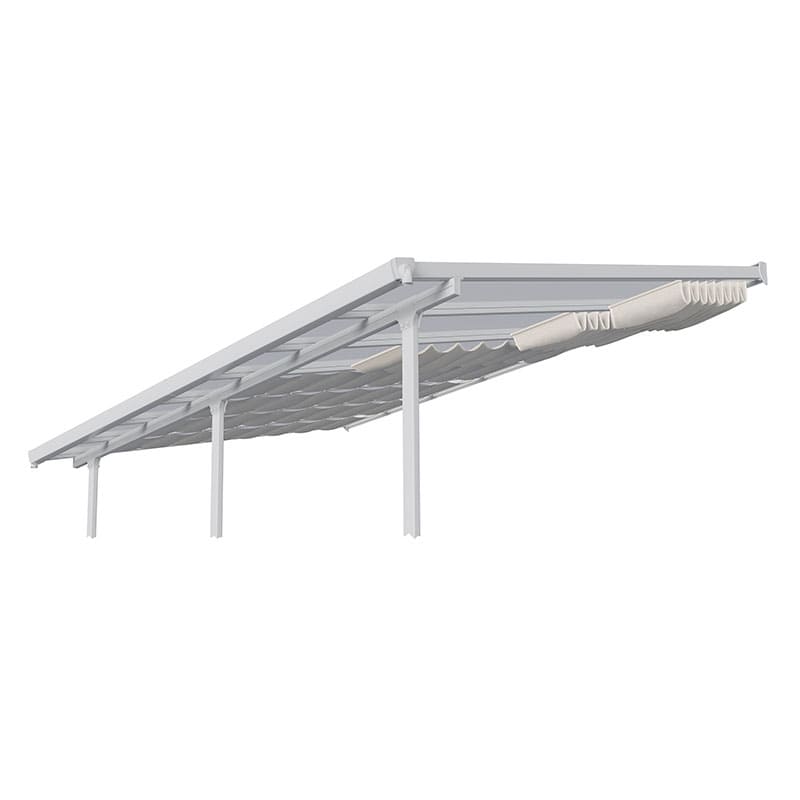
3m x 4.25m Palram Canopia Patio Cover Roof Blinds – White £319.99

-
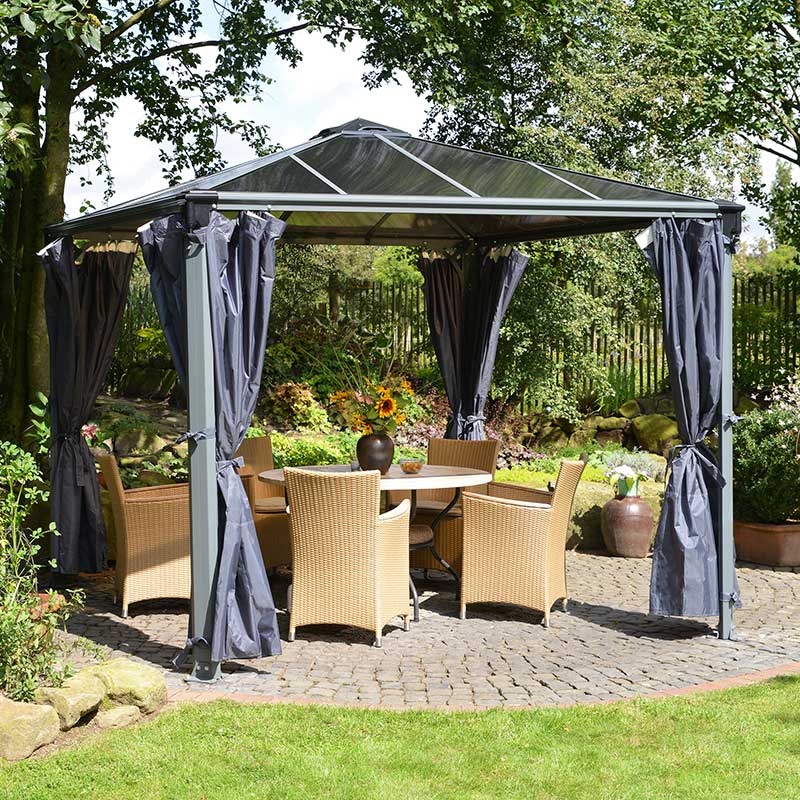
Palram Canopia Gazebo Curtains for Milano 4300 and Martinique 5000 Garden Gazebos £309.99

Accessories under £400 for the garden bring together practical finishing touches and design-led pieces for patios, borders, outdoor dining areas and small courtyards, with choices in storage, display, comfort and layout that suit many styles.
Pieces that finish the space, not just fill it
In a garden setting, accessories under £400 are often the items that make the whole area feel considered rather than unfinished. They sit between the big purchases and the tiny extras: useful enough to earn their place, but also strong on looks. That can mean a smart planter that frames an entrance, a set of outdoor lanterns that softens an evening corner, or a decorative screen that gives a bit of structure without hardening the space. The nice thing is the price band allows for materials and detailing that feel more substantial, without pushing the budget into full furniture territory.
What shoppers often notice first is the mix of form, function and finish. Some accessories are meant to be seen from across the garden, while others matter most when used up close. A wide trough planter creates a different effect from a tall narrow pot; a woven storage basket feels calmer than a rigid box; a ceramic water feature reads differently from a metal sculpture. These differences matter because the same budget can buy very different moods.
Planters, pots and troughs: shape changes everything
Among the most popular accessories in this bracket are planters, pots and troughs, and the details are worth paying attention to. Round pots suit softer planting schemes and are easy to place in small clusters. Square planters feel more architectural and can help a terrace look organised without becoming stiff. Rectangular troughs work well for edges, steps and narrow spaces, especially where you want a line of planting to act almost like a green border.
Bestseller der Kategorie Accessories under £400
Materials also make a clear difference. Ceramic often brings glaze, weight and a more crafted feel. Fibreclay or similar lightweight composites can look substantial while being easier to move. Metal containers tend to read sharper and more contemporary, while stone-effect finishes sit nicely in traditional or rustic schemes without the full weight of stone. If you like a more relaxed look, weathered textures and softer edges can make the planting appear less formal. If the garden is modern, clean lines and smooth sides usually work better than ornate detail.
- Round forms soften hard paving and suit loose, natural planting.
- Square and cube planters create order and frame doorways or seating areas.
- Rectangular troughs are useful for boundaries, balconies and along walls.
- Raised styles help separate planting from the ground plane and give stronger visual height.
Storage that looks intentional, not accidental
Garden accessories under £400 often include storage pieces that do more than hide clutter. They can help set the tone of the outdoor area, especially where hoses, cushions, throws or toys need a home. Outdoor storage boxes tend to fall into two main looks: plain and practical, or more decorative and furniture-like. The first is better when you want a low-key solution that disappears beside a fence or shed wall. The second is useful when storage sits in a visible spot near seating and needs to blend in with the rest of the scheme.
There are also differences in opening style and scale. A wide chest makes it easy to stack bulky items, while a slimmer box is better for compact terraces. Some people prefer a bench-style top because it gives an extra perch or side surface; others want a straightforward lid that keeps the silhouette cleaner. In this budget, you can often find more pleasing proportions and better detailing around hinges, handles and panel lines, which really changes how the piece sits in the garden.
Tip: if the area already has a lot of straight lines, a storage piece with a softer front or a textured finish can stop the whole space feeling too boxy. If the garden is full of curves and planting, a crisp rectangular box can add welcome contrast.
Lighting with mood, not glare
Another strong category here is garden lighting accessories. These are the items that help a space work after dusk, but they also change the daytime look when they are designed well. Lanterns, solar table lights, stake lights, festoon-style features and wall-mounted decorative lights each serve a different purpose. Some are about atmosphere, some about marking edges, and some about giving a focal point to a seating area or pathway.
The differences come down to placement, brightness and style. Table lanterns create a close, intimate glow around dining settings. Stake lights are better for guiding the eye along borders or paths. Clustered lanterns give a softer, layered look and can be moved as the layout changes. If the garden is compact, smaller light forms usually work better than bulky ones, because they add interest without taking over. In larger spaces, a mixture of heights can create a more natural sense of depth.
- Lanterns suit relaxed seating areas and can be grouped for a gentle effect.
- Stake lights are useful along paths, edges and planting lines.
- Table lights add a focus to outdoor meals and evening drinks.
- Hanging styles draw the eye upwards and help smaller spaces feel layered.
Decorative screens, trellis and boundary accents
For buyers wanting a bit more structure, decorative screens and trellis accessories under £400 can make a real difference. They are not just about hiding an awkward view. They can divide a garden into zones, support climbing plants, create a backdrop for seating, or give a plain wall more presence. Compared with planting alone, screens and trellis bring immediate shape, which is handy when the garden feels flat or open.
The main difference between styles is how much visual weight they carry. Open lattice feels lighter and lets planting do most of the work. Slatted screens give stronger privacy and a more contemporary look. Arched or curved trellis softens a path or entrance, while straight panels are better for clear edges and simple geometry. In a smaller garden, an open design often works best because it adds interest without closing off the space. In a more overlooked area, denser panels can bring a stronger sense of enclosure.
These pieces also work well when paired with planters, because the eye reads the combination as one complete feature rather than separate items. That is often the difference between a quick fix and a thoughtful corner.
Water features and sculpture-led accents
Not every accessory has to be purely practical. Decorative water features and sculptural accents under £400 can introduce movement, reflection and a sense of pause. A compact water bowl, a wall-mounted feature or a simple modern sculpture can pull a garden corner together without needing a full redesign. The appeal is partly visual, but also about how these pieces change the feel of a space by giving the eye something to settle on.
There are subtle differences between forms. A low bowl feels calm and unobtrusive, sitting well near planting or on a patio edge. A taller upright feature has more presence and can stand as a focal point from the house. A geometric sculpture suits crisp paving and formal layout, while more organic shapes sit comfortably in leafy borders or gravel schemes. Buyers often choose these pieces when they want something with a bit of character, but without committing to a large installation.
Useful tip: if the garden already has a lot going on, a simpler form is usually easier to place. If the scheme is very restrained, a feature with texture, cut-outs or layered surfaces can stop the area feeling too plain.
Seating extras and comfort pieces that make use of the space
Within this price range you will also find seat cushions, outdoor cushions, footstools and companion accessories that help outdoor areas feel more complete. They are often overlooked, but they can change how long people want to stay outside. The point here is not just softness. It is the way these extras colour the space, introduce pattern, and help tie together mixed materials such as wood, metal and rattan.
There are practical differences between shapes too. Bench cushions create a neat line and work well with built-in seating. Scatter cushions are more flexible and can be moved around to change the look. Footstools are useful where a full chair would take too much room, and they can double as an extra surface for a tray or book. In a garden shop category like this, accessories often carry the mood of the whole seating area, especially when the furniture itself is quite plain.
If the garden is used for dining as well as lounging, accessories with a cleaner silhouette tend to be easier to mix into different settings. Softer, more padded pieces suit relaxed corners. Slim, structured items fit neater layouts. It is a small difference, but it changes how polished the area feels.
Why this price band works well for shoppers
Accessories under £400 sit in a useful middle ground. They are accessible enough for a single purchase, but high enough that materials, size and finish usually feel more substantial than bargain-level pieces. That means buyers can choose something with more visual weight, better proportions or a more distinctive surface, without needing to rebuild the whole garden around it.
It also gives room to pick accessories that solve more than one problem. A planter can define a boundary and hide an awkward base. A storage box can tidy clutter and act as an extra seat or table edge. A screen can add privacy and make the planting look fuller. When a product can do two jobs at once, it usually earns its place faster.
- Better material choice can mean a richer look and a more grounded feel.
- Larger formats help fill open patios and frame wider spaces.
- More refined finishes suit visible spots near doors, terraces and dining areas.
- Flexible uses make a purchase feel worthwhile even as the layout changes.
Choosing between styles: subtle, bold or somewhere in between
The best accessory is rarely just the nicest-looking one on its own. It needs to sit well with the shape of the garden. For a traditional space, weathered finishes, classic proportions and softer outlines usually feel more settled. For a contemporary garden, sharper edges, monochrome tones and structured forms often look more convincing. If the space is mixed or evolving, neutral colours and simple silhouettes are the easiest to live with.
One of the main differences buyers notice is how each accessory handles light and shadow. Smooth surfaces reflect more, which can brighten a dull corner. Textured finishes absorb light more softly and can make the space feel warmer. Openwork pieces, such as trellis or lattice, create layers and patterns as the sun moves. Solid forms feel calmer and more definite. None of these is right for every garden; it depends on whether the aim is to add detail, control the view or create a clear focal point.
Buying tip: if you are unsure, look at the garden from the house first. The items seen most often from indoors are usually worth a little more thought, because they shape the everyday view, not just the occasional one.
Small details that make the purchase easier to live with
When comparing accessories in this bracket, it helps to notice the small things: the width of a planter rim, the depth of a storage lid, the openness of a screen pattern, the balance of a lantern, the edge profile of a decorative piece. These details affect both the look and the ease of placing the item among existing features. A slightly narrower base can be easier beside a path. A deeper planter can suit taller planting. A more open design can feel lighter near a fence line. These are not dramatic differences, but they are the ones people usually appreciate after the item has been in place for a while.
It is also worth thinking about whether the accessory is meant to blend in or stand out. Some pieces are there to support planting and disappear a little. Others are meant to draw attention and become part of the garden’s character. Both approaches can work well, but mixing them carelessly can make the space feel muddled. A good garden shop category should make it easier to spot which items are for subtle support and which are for stronger visual impact.
Accessories that do more than decorate
At their best, garden accessories under £400 add usefulness, structure and a bit of personality at the same time. They can sharpen a layout, soften a hard corner, support planting, hide clutter, improve evening use, or give a plain area a more settled feel. That is why this category tends to attract shoppers who are not looking for a full overhaul, just a few right pieces that make the garden feel more finished.
For buyers, the appeal lies in the choice. Different forms, materials and proportions create very different results, even when the budget is similar. A slim planter can be more useful than a large one in a narrow spot. A screen with open patterning may suit one garden better than a solid panel. A lantern group can feel more relaxed than a single fixed light. Those distinctions matter, and they are often what turn a browsing session into a purchase.
In short: this category is for people who want garden pieces with a purpose, a bit of style, and enough quality to sit comfortably in everyday view, without pushing beyond a sensible spend.
[Sassy_Social_Share]