
Accessories 170 sq ft / 16 m² - Best Deals in UK!
Showing all 2 results
-
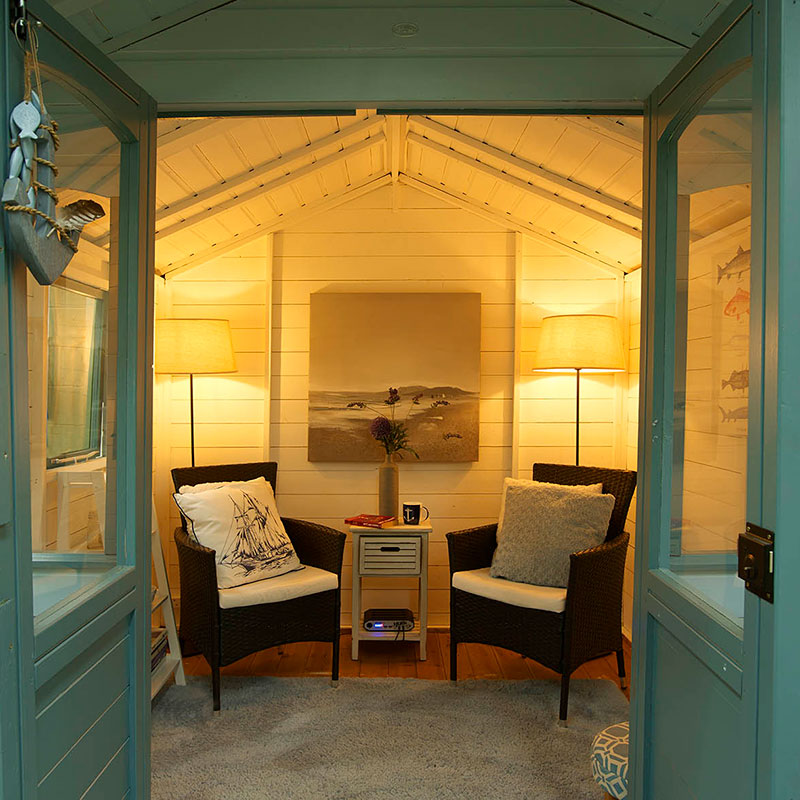
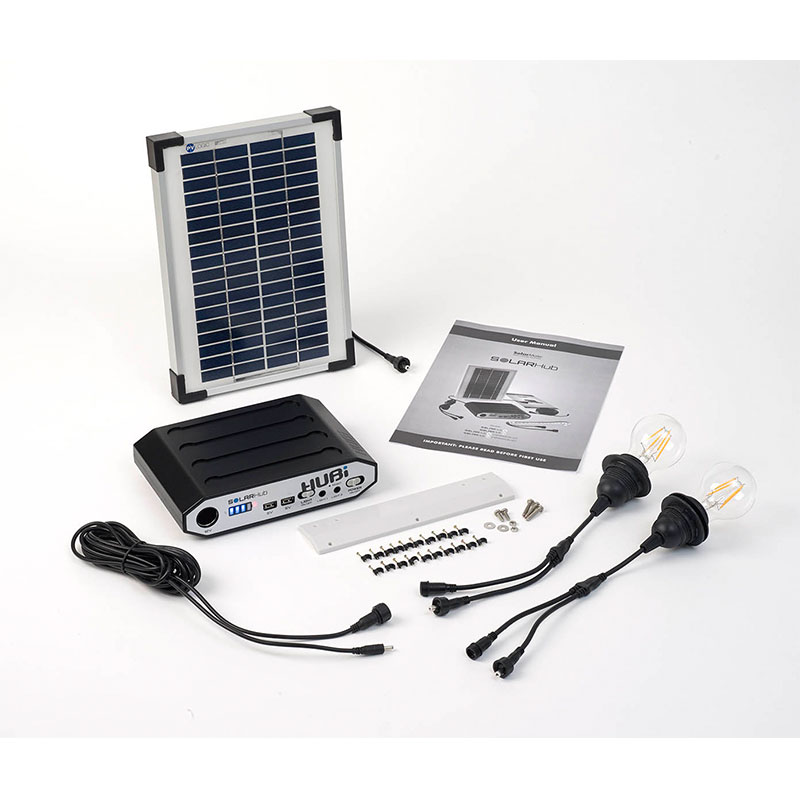
17% OFF: Solartech Premium Garden Building Solar Lighting & Charging Kit 4 – Suitable for Gazebos up to 4m x 4m (14′ x 14′) £189.9917%

-
12% OFF: Solartech Premium Garden Building Solar Lighting Kit 8 – Suitable for Buildings upto 4m x 4m (14′ x 14′) £305.9912%

Accessories for 170 sq ft / 16 m² spaces bring order, comfort and a better fit for compact garden buildings, with hooks, shelving, vents, liners and storage add-ons that make the area work harder.
Small footprint, smarter layout
In a 170 sq ft / 16 m² setting, every bit of usable space matters. That is where the right accessories earn their place: they help you divide the area, keep items off the floor, and make the space feel thought through rather than crammed. Whether the room is used as a potting zone, garden store, hobby corner or a mix of all three, the accessory choice shapes how easy it is to move, reach and store things without faff.
What works best in this size tends to be the pieces that do two jobs at once. A shelf does not just hold items; it clears floor space. A wall hook does not just hang tools; it stops them sliding around. A tray or liner does not just catch mess; it helps define a proper work area. The appeal is practical, but the result feels more finished too.
Wall fittings that free up the floor
Wall-mounted accessories suit 16 m² spaces because they use height instead of stealing ground space. In this category, the main types usually include:
Bestseller der Kategorie Accessories 170 sq ft / 16 m²
- Shelving for pots, fertiliser bags, gloves, labels and smaller containers
- Hooks for trowels, hand forks, hoses, extension leads or hanging baskets
- Racking rails for items that need to be reachable but not in the way
- Tool holders that keep long-handled tools upright or fixed against a wall
The difference between these is more than just shape. Shelving gives flat storage and suits boxes, trays and jars. Hooks are better for odd-shaped pieces that need quick grab-and-go access. Rails and holders are often a neat middle ground, especially when you want several tools in one line instead of scattered bits all over. If the space is shared, this helps keep one area clear for working, which is rather handy.
For buyers, the question is often not “do I need a shelf?” but “which shelf form suits my kit?”. Deep shelves work well for bulkier items, while narrower ledges are better for lighter bits and pieces. Open sides can make it easier to see what is there. Closed ends can stop things slipping off when the door is opened in a rush.
Floor pieces that earn their keep
Not all accessories need to hang on a wall. Some are designed to sit on the floor and make the space more usable from the ground up. In a 170 sq ft setting, these often include storage boxes, stackable crates, stand-alone shelving units, boot trays and mats that define a work or entry zone.
The main advantage of floor-standing accessories is flexibility. You can move them when the layout changes, which is useful if the room has more than one use. A stackable crate system works well for seasonal items. A narrow shelving tower suits long, awkward gaps. A boot tray near the entrance helps separate muddy outdoor gear from the cleaner areas. It is simple, but it makes the whole layout feel calmer.
There are also different forms to think about. Open crates let you spot what is inside at a glance. Lidded boxes are better when you want contents tucked away. Shallow trays suit seed packets, ties and markers. Deep bins hold bulkier accessories such as compost scoops, kneelers or spare containers. The right shape depends on what you reach for most often, not just on what looks tidy in a picture.
Hooks, clips and holders for the awkward bits
Every garden space has those awkward items that never sit neatly on a shelf: hoses, twine, netting, hand tools, sprinklers, folding stools and spare lengths of cable. That is where clips, brackets, hooks and holders become especially useful. They keep irregular items visible and easy to lift out, instead of becoming a heap in the corner.
Shape matters here. A single hook is ideal for one item that hangs well. A double hook can hold a pair of lighter tools. A curved holder is useful for hoses or cables because it reduces kinks and tangles. Clip fittings can be better for lightweight accessories that need a firm grip, such as gloves, notes or small implements. There is a difference between a thing that merely hangs and a thing that stays neat; these fittings are made for the second one.
If the space is tight, think about the movement path too. A hook placed too low can catch sleeves, while one set too high becomes a nuisance. The best position is usually the one that lets you reach it with one hand without stepping back. Sounds obvious, but it gets missed more than it should.
Storage by size: small, medium and bulky
A useful way to choose accessories for a 16 m² area is to sort them by the scale of what they hold. This avoids buying storage that is either too fiddly or too bulky for the room.
- Small-format accessories suit labels, seeds, ties, clips, markers and other light bits
- Mid-size storage works for hand tools, gloves, watering cans, kneelers and spare pots
- Bulk storage is better for soil additives, bags, folded covers or larger seasonal items
Small-format accessories are often overlooked, yet they make a big difference. Tiny drawers, caddies and compartment trays stop the little things from disappearing into a general mess. Mid-size options are the most versatile, because they can be moved around as the layout changes. Bulk storage needs a bit more planning: it may be better low down, so heavier items are easier to lift and the space does not feel top-heavy.
The difference between these sizes is not just about volume. It is also about access. Small items need sorting. Medium items need reach. Large items need stability. Matching the accessory size to the contents helps the whole 16 m² area feel more usable, and not just more packed.
Materials and finishes that suit garden use
Accessories in this category are often chosen for how they fit the space, but the material still matters. In garden buildings and compact outdoor rooms, common options include metal, wood, plastic and fabric-based organisers. Each has its own feel and use.
Metal accessories tend to suit items that need a firm hold, such as hooks, brackets and rails. They often feel neat and structured. Wooden pieces can fit in well where the space is used for potting or display, especially when a slightly warmer look is wanted. Plastic storage is practical for lightweight sorting and can be easier to wipe clean after messy jobs. Fabric organisers, such as hanging pockets or roll-up storage, are useful when the aim is to pack lots into a small area without adding visual bulk.
Finishes can change the effect too. A plain finish keeps things understated. A coated surface can look more polished. Transparent or translucent boxes let you see contents quicker, while opaque ones hide the less tidy bits. In a compact setting, visibility versus tidiness is often the real choice.
Accessories that support different uses of the space
A 170 sq ft / 16 m² area rarely has to do only one job. That is why accessories can be picked to support different uses without needing to rebuild the whole layout. For a potting-focused area, look at seed trays, caddies, small shelves and tool hooks. For a storage-led setup, think about stacking boxes, bins, rails and vertical organisers. If the space is more of a hobby corner, then modular trays, holders and freestanding units can help keep materials separated.
The benefit of modular accessories is that they can be rearranged as needs change. A tray can become a seed sorter in spring and a fixing tray in summer. A basket may hold gloves one month and labels the next. That flexibility is valuable in a limited area, because it reduces the need to keep buying bigger items every time the contents shift.
For people deciding between fixed and movable accessories, the main difference is commitment. Fixed fittings are good when you know where things belong. Movable pieces are better when the layout still needs testing. In many cases, a mix of both makes sense.
Useful details that make buying easier
When choosing accessories for this size category, a few practical points help narrow things down:
- Measure wall sections before picking shelves or rails, so the fit feels deliberate
- Check depth so opened doors, drawers or paths are not blocked
- Choose easy-grip shapes for items you will use often
- Separate light and heavy storage so the layout stays balanced
- Keep the most-used items at hand height to avoid constant bending or stretching
One useful trick is to think in zones. Put quick-access items near the entrance, heavier things lower down, and occasional-use pieces higher up or further back. It sounds like a small thing, but in a compact 16 m² setting it saves more effort than you might expect.
Why these accessories make the space feel finished
The real value of Accessories for 170 sq ft / 16 m² is not only storage. It is the sense that the room finally works in a joined-up way. Tools are where they should be. Bits and bobs stop drifting into random corners. Surfaces become usable again. Even a modest layout can feel planned when the right holders, trays and shelves are in place.
That is why buyers often end up choosing a mix rather than one single item. A shelf gives structure. A hook adds reach. A tray handles the small stuff. A box hides the messy odds and ends. Put together, they make a compact garden space feel easier to use from day to day, without needing to overcomplicate it.
If you are comparing options, focus on what the accessory does in real use, not just how it looks in the listing. The best choice is usually the one that fits the shape of your gear, the height of your wall, and the way you actually move through the space. That is the sort of detail that pays off.
[Sassy_Social_Share]