
Accessories 13x13 - Best Deals in UK!
Showing all 2 results
-
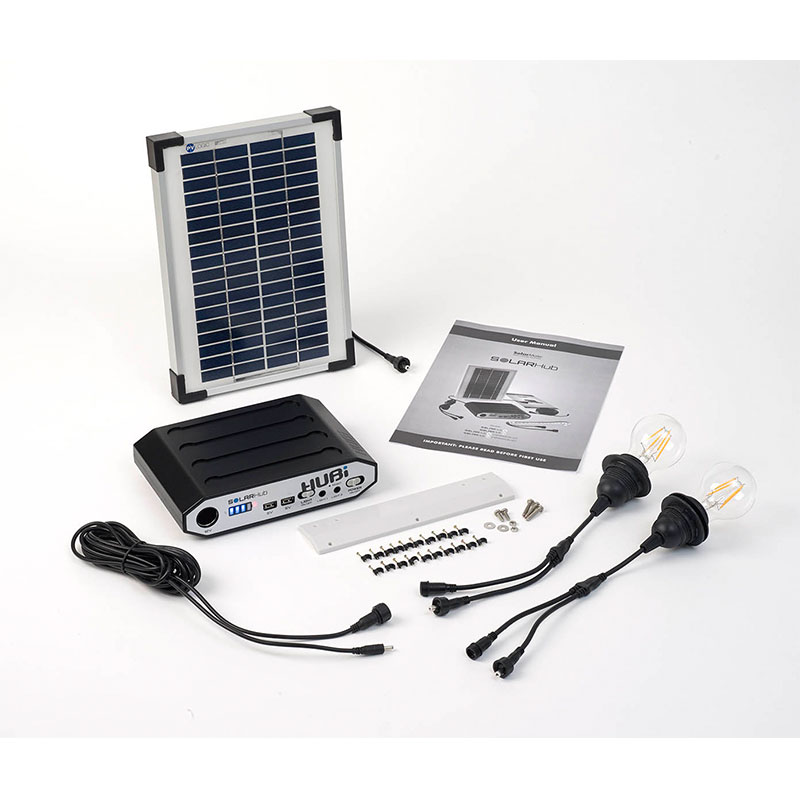
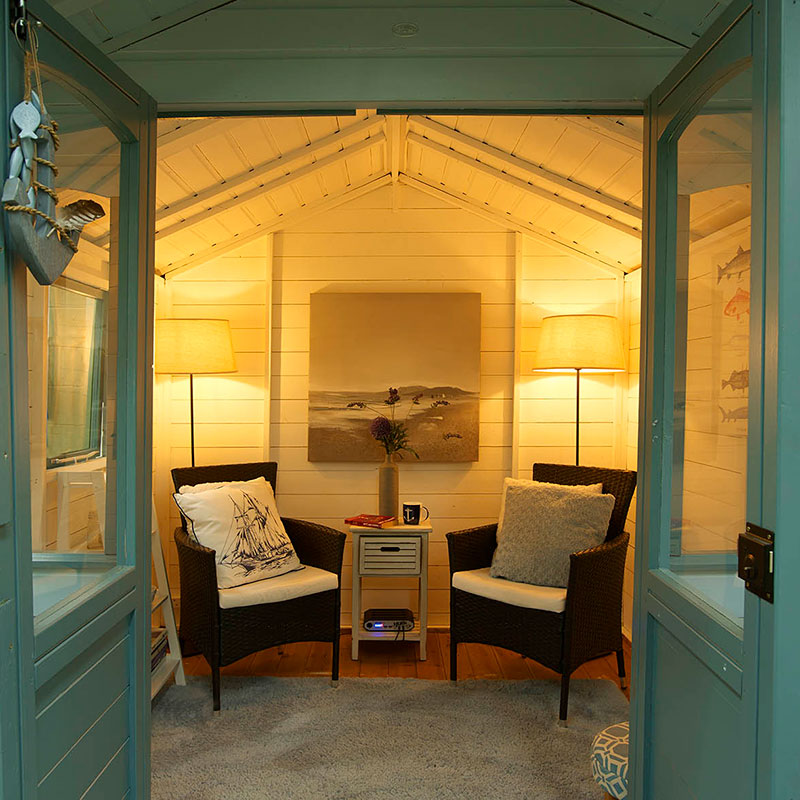
17% OFF: Solartech Premium Garden Building Solar Lighting & Charging Kit 4 – Suitable for Gazebos up to 4m x 4m (14′ x 14′) £189.9917%

-
12% OFF: Solartech Premium Garden Building Solar Lighting Kit 8 – Suitable for Buildings upto 4m x 4m (14′ x 14′) £305.9912%

13×13 garden accessories for neat planting, better fit and tidy displays: covers, inserts, trays, spacers and small fittings made for square layouts, with useful differences, buying tips and practical details.
Small format, tidy result
In a 13×13 format, every millimetre matters. That is exactly why this category is so useful for people who like a clean, square look in the garden, on the patio, in the greenhouse or on a shelf by the window. Accessories sized for 13×13 help you keep things aligned, stable and visually calm, without making the setup look crowded. It is a compact format, but it gives a lot of room for clever solutions.
The real benefit is not just that the pieces fit. It is the way they make a planting area, display or planting system feel more deliberate. A square 13×13 accessory often works better than a round or oversized alternative because the edges sit flush, the corners stay true and the whole arrangement looks properly planned. For anyone who likes a sharp layout rather than a loose one, that difference is easy to spot.
What comes under 13×13 accessories?
This category can cover several types of parts and add-ons that are all built around the same square footprint. The common idea is simple: they are made to sit with 13×13 dimensions, or to support items in that exact footprint. Depending on the use, they can help with spacing, collecting water, holding inserts, finishing edges or keeping grouped items in place.
Bestseller der Kategorie Accessories 13x13
- Trays and saucers for catching excess water and keeping surfaces cleaner.
- Inserts and inner holders that help smaller items sit properly inside a 13×13 base.
- Spacers that create neat gaps and stop objects from shifting about.
- Corner or edge pieces for a crisp finish in square layouts.
- Connectors and fixing parts for setups where several 13×13 units need to line up.
- Decorative add-ons that complete the look without changing the footprint.
What makes these different from general garden extras is the fit. A random accessory can work, of course, but if it is meant for 13×13 use, the chances are better that the edges line up, the proportions stay balanced and the overall piece feels sorted rather than improvised.
Square shape, proper balance
There is a clear difference between square and round accessories, even when the size sounds similar. A 13×13 square accessory tends to give a more structured appearance, which suits modern planting plans, small display units and grouped arrangements. The corners make it easier to keep straight lines, which can matter when you are working with shelves, steps, benches or tiled spaces.
Compared with round pieces, square accessories use space more efficiently. They sit closer together, waste less surface area and usually look more intentional in rows or grids. That can be useful if you are planning a compact arrangement and do not want odd gaps in the middle. It is a small thing, but it changes how finished the whole setup looks.
Practical differences you can actually use
Not all 13×13 accessories do the same job. Some are there for function, some for appearance, and some do both. Knowing the difference helps when you are choosing between similar-looking items. For example, one tray may be made simply to hold moisture, while another is shaped to support a insert or lift the main item slightly above the surface.
That is why the details matter: depth, edge height, wall thickness, corner shape and finish. A shallow saucer keeps the profile low, which looks neat under a planter. A deeper tray can be more useful where runoff is a concern, but it may read as bulkier. A smooth edge gives a cleaner visual line, while a textured or ridged finish may help with grip or stop movement.
When buying, it helps to think in terms of purpose rather than just size. A 13×13 item that fits physically may still be the wrong choice if the wall height is too high, the edges are too tight or the finish clashes with the rest of the layout. The best match is usually the one that blends fit and function in a quiet way.
For tidy displays, not just planting
13×13 accessories are not only about direct planting use. They can also support small garden displays, indoor herb corners, balcony groupings and shelf-style arrangements. A square base is handy where you want several items to line up with little effort. It keeps the eye moving in a steady way, which is useful in smaller spaces where clutter builds quickly.
People often choose these accessories when they want:
- a neater footprint on tables, windowsills or decking.
- more stable placement for small items that should not wobble.
- clearer spacing in mixed arrangements.
- an orderly look that suits geometric layouts.
- better use of compact areas where every bit of surface counts.
In other words, the appeal is not only technical. There is a visual side too. A good 13×13 accessory does its job while keeping the whole thing calm and well put together. That is often what people are after, even if they do not say it out loud.
Materials and finishes that change the feel
Even within the same size, the material can change how an accessory behaves and how it looks in place. Rigid plastic pieces tend to be light and straightforward. They are easy to position and usually keep a consistent shape. More solid composite or ceramic-style pieces feel heavier and can give a firmer, more grounded look. Depending on the setting, either approach may suit better.
Finish matters as well. A matte surface blends in quietly, which can be useful if you want the planting or display to take the attention. A glossier finish adds a cleaner visual edge and can make the square shape read more clearly. Slightly textured surfaces can sit well in rustic settings, while smooth, straight-edged styles suit modern outdoor spaces.
The point is not to chase a certain trend. It is to choose a finish that belongs with the rest of the space. A small 13×13 piece can look out of place if the surface feels too shiny, too rough or just a bit off for the rest of the setup. That is the kind of thing people notice later, when it has already been fitted.
Why exact fit matters in small spaces
With compact items, a loose fit can be more annoying than it first appears. A slightly oversized accessory may leave a visible overhang. A piece that is too shallow might not support the main item properly. Too much movement, even a few millimetres, can make a neat arrangement look untidy. That is why the 13×13 fit is such a useful reference point.
Exact sizing also makes it easier to create repeating layouts. If one accessory matches the next, you can line up several units without fiddling with offsets or uneven corners. This is especially useful in patterned areas, narrow runs along a wall, or grouped displays where symmetry matters. It saves time during setup and gives a cleaner result straight away.
Different forms, different jobs
In this category, the form of the accessory often tells you what it is meant to do. A flat form usually supports or protects. A raised form may help with drainage or separation. A fitted form wraps around the item and keeps it steady. Some pieces are almost invisible once fitted, while others are meant to be seen and add to the overall design.
These are the main form differences to look out for:
- Low-profile accessories that stay discreet and barely change the height of the setup.
- Deep-set accessories that offer more hold or catch more runoff.
- Open-corner designs that make placement easier and reduce visual weight.
- Fully framed pieces that give a defined square edge.
- Stackable or nested forms where storage and repeat use are part of the design.
None of these forms is automatically better. The right one depends on how visible you want the accessory to be and how much support you need from it. That is the simple trade-off: cleaner look, more support, lower profile, higher containment.
Useful buying checks before you choose
Before selecting a 13×13 accessory, it helps to check a few details rather than relying on the headline size alone. The first thing is the actual internal and external measurement. A piece marked 13×13 can mean slightly different things depending on whether the measurement refers to the base, the outer edge or the usable inner space. That is where mistakes happen, and honestly, they are easy to make.
Next, look at the edge shape. Straight sides are easier to align in a grid. Rounded corners can soften the look, but they may leave tiny gaps if the plan depends on perfect squares. Also check whether the item is intended to sit under, inside or beside the main piece. A support accessory and a decorative one may both be 13×13, but they do not behave the same at all.
It also makes sense to think about weight. A lighter accessory may be easier to move around and reconfigure. A heavier one can feel more settled in place. The right choice depends on whether you want flexibility or a more fixed position. That part is often overlooked, then noticed later when things start shifting around a bit.
Where 13×13 accessories earn their place
These accessories are especially handy when you want a precise, repeatable layout. They suit small-scale garden scenes, patio tables, greenhouse benches, indoor planting corners and shelf displays where a tidy square footprint matters. Because the format is compact, it can be used on its own or repeated several times without taking over the space.
They also work well when you want to match other square pieces. A 13×13 tray under a 13×13 planter, for example, creates a clean line and avoids that slightly awkward look you can get when the base and support do not match. That neat pairing is one of the reasons this size keeps getting chosen. It solves a small problem in a direct way.
Handy details that make buying easier
When comparing options, these small details are worth a look:
- Wall height if the accessory needs to hold or contain anything.
- Corner finish for a sharper or softer look.
- Surface texture for grip, appearance and how it sits in the setting.
- Weight and stability if the item will be moved or used outdoors.
- Compatibility with other 13×13 pieces in the same arrangement.
- Profile if you want the accessory to stay subtle rather than stand out.
These checks are simple, but they help avoid buying something that technically fits and still feels wrong once it is in place. That is usually where the best choice becomes obvious: it is the one that makes the setup feel settled without adding visual fuss.
A neat finish that quietly does its job
There is something pleasing about a square accessory that lands exactly where it should. It does not need to shout. It just needs to sit correctly, hold its shape and suit the rest of the garden setup. That is what 13×13 accessories are for: clean alignment, sensible support and a compact format that works hard without looking complicated.
For buyers, the appeal is in the mix of fit, form and function. A useful tray, insert, spacer or edge piece can make a display feel more complete and reduce the small bits of faff that come with awkward sizing. If you like your outdoor or indoor garden space to look planned rather than patched together, this category gives you a practical way to get there.
And when the square lines are right, the whole area tends to feel better ordered, even if the planting itself is simple. That is often the point people are after: not more stuff, just the right accessory in the right size, doing its job neatly.
[Sassy_Social_Share]