
88mm Sheds - Best Deals in UK!
Showing all 5 results
-
9% OFF: 18′ x 11′ Palmako Kalle (88mm) Premium Multi-room Shed (5.6m x 3.3m) £5,989.009%

-
9% OFF: 18′ x 11′ Palmako Olaf Premium (88mm) Multi-room Shed (5.6m x 3.3m) £5,749.009%

-
8% OFF: 15′ x 11′ Palmako Olaf Premium (88mm) Multi-room Shed (4.5m x 3.3m) £4,989.008%

-
6% OFF: 11′ x 15′ Palmako Martin Premium (88mm) Nordic Shed (3.3m x 4.5m) £4,989.006%

-
6% OFF: 15′ x 11′ Palmako Kalle (88mm) Premium Multi-room Shed (4.5m x 3.3m) £5,489.006%

88mm sheds offer a substantial timber build for larger garden storage, workshop use and year-round outdoor space, with thick wall logs, solid profiles and a more substantial feel than lighter sheds.
What 88mm really means in a shed wall
88mm refers to the thickness of the wall logs, and that detail changes the whole character of the building. Compared with thinner garden sheds, an 88mm shed tends to feel more like a timber garden room with storage at its core. The walls are deep, the profile looks purposeful, and the structure has a weight that suits bigger plots, shared family storage, or a space that needs to do more than hold a few tools.
That wall thickness also affects how the shed is used visually and practically. A thinner shed can feel light and functional, but an 88mm timber shed has a more robust, architectural presence. It sits well in gardens where the building is part of the setting, not just tucked away. For buyers comparing options, this thickness often sits in the range where the shed starts to feel like a proper outdoor timber structure rather than a basic store.
Why thicker walls change the buying decision
People looking at 88mm garden sheds are usually after more than simple storage. The extra wall depth gives the building a denser timber look and a heavier construction style. That makes a difference if you plan to use the space for larger equipment, workbenches, boxed items, bicycles, seasonal furniture, or even as a more flexible garden building with several uses.
Bestseller der Kategorie 88mm Sheds
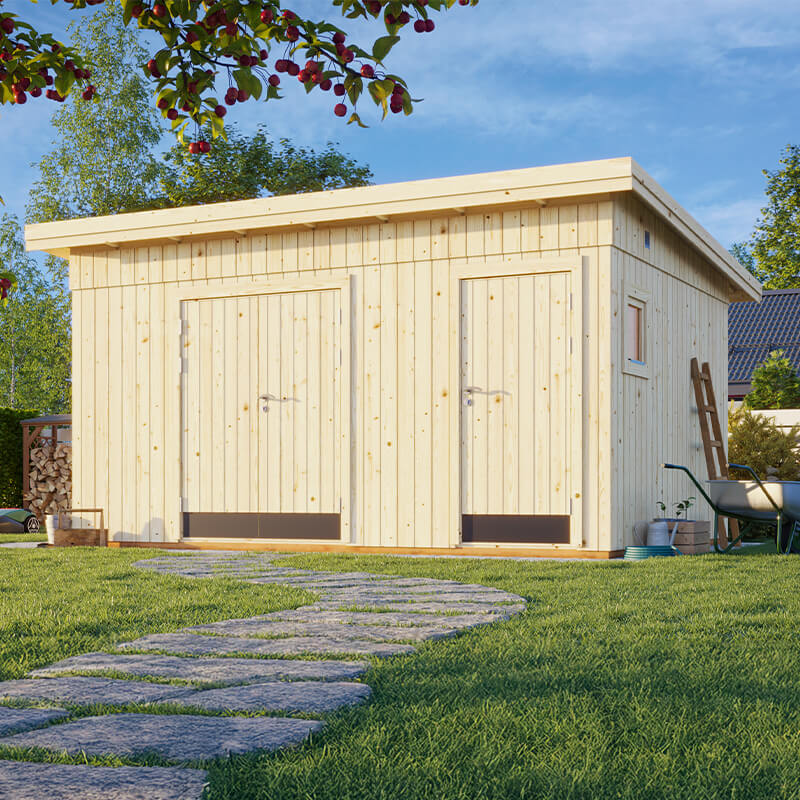
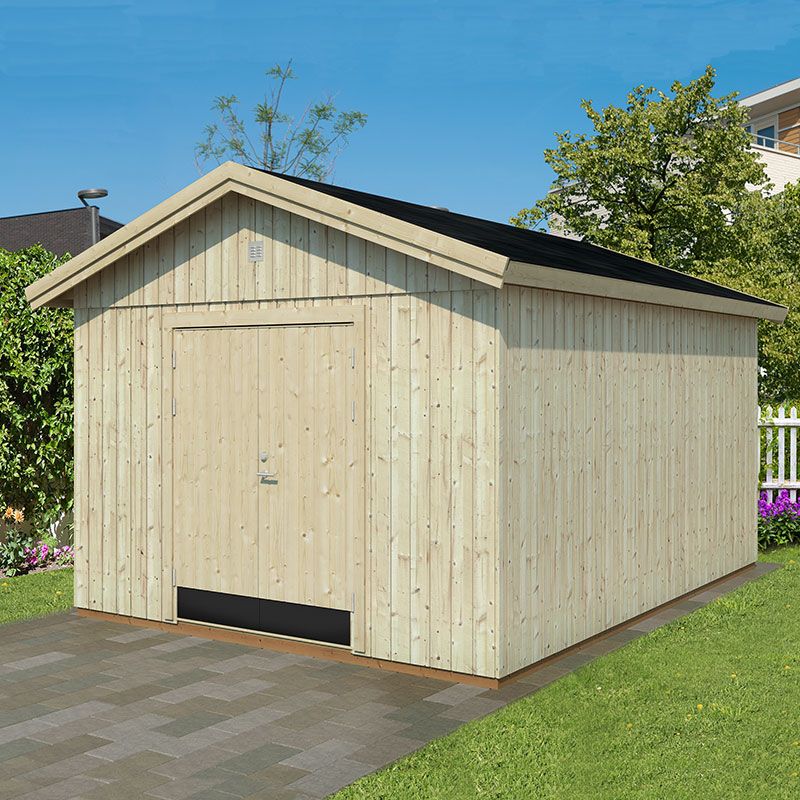
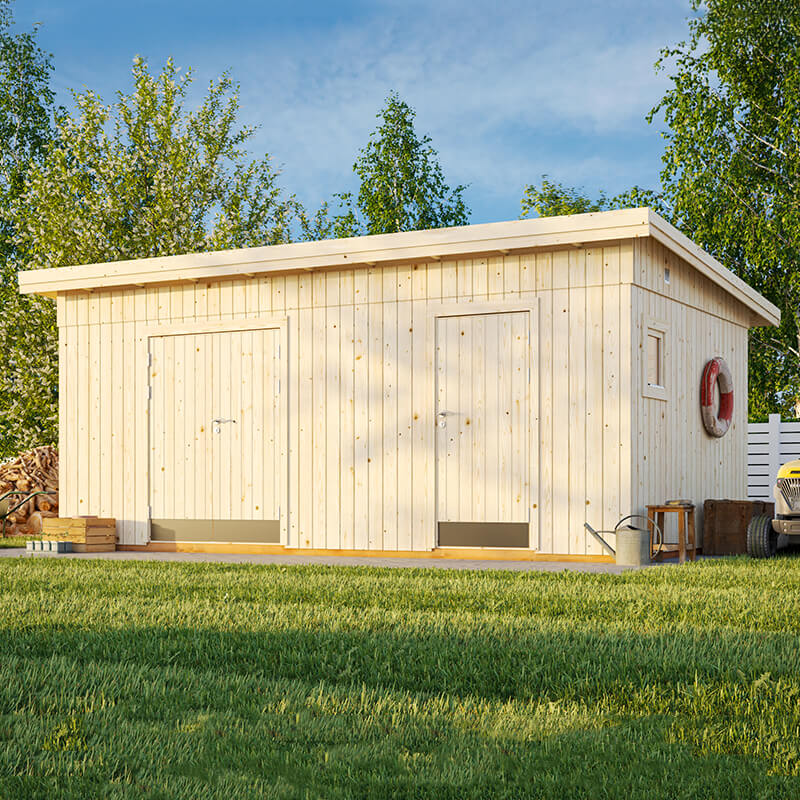
One of the main differences is the feeling of enclosure. Thick walls create a stronger interior presence and a more solid outline outside. This is useful if the shed will stand in a visible part of the garden, because the proportions look intentional rather than temporary. Buyers often notice that 88mm wall logs give a better sense of structure around openings, corners and roof lines, which can make the whole building read as more refined.
There is also a practical point: if you want a shed that feels less like a quick add-on and more like a long-term feature, 88mm log construction often lands in the right place. It suits customers who are comparing different wall thicknesses and want a clear step up in appearance and build feel, without jumping to something that looks overly bulky.
Shapes and styles that suit 88mm sheds
88mm sheds come in a few common shapes, and the shape matters just as much as the thickness. The most recognisable forms are apex, pent, and corner layouts, each bringing a different look and use pattern.
- Apex sheds have a pitched roof shape that gives a classic garden-building look. They suit traditional gardens and help create usable height in the centre.
- Pent sheds have a sloping roof line, which gives a neater side profile and often works well where the building sits against a boundary or fence line.
- Corner sheds are shaped to fit into an unused corner, making better use of awkward space while still giving you a substantial timber footprint.
- Extended cabin-style sheds with 88mm walls can create a more room-like interior, useful if storage and open floor space both matter.
The shape changes how the shed reads in the garden. An apex 88mm shed often looks balanced and familiar. A pent 88mm shed can feel tidier and more contemporary. A corner design makes sense if you want to keep the centre of the garden open while still gaining a serious amount of storage. This is where the buyer really starts weighing up footprint against appearance.
What kinds of users usually look at 88mm sheds
This category tends to appeal to buyers who need space for larger items, not just hand tools. That might include garden machinery, stacked timber, bulkier furniture, outdoor game equipment, or items that need to stay dry and easy to reach. It also suits people who want a building that can hold many different things without feeling cramped.
For hobby use, 88mm sheds are often considered because the interior tends to feel more substantial than a standard shed. That can matter if you want to keep a central walkway, set up shelving, or keep a work area separate from storage. The thick walls can help the shed feel less flimsy, which buyers often notice the moment they stand inside. It’s a different feeling entirely from thin-panel sheds that can sound hollow or look temporary.
These sheds also work well in gardens where the building itself should match other timber features. If you already have a pergola, deck, or substantial fence line, an 88mm timber shed can sit alongside them without looking out of place. The visual weight feels in keeping with a more developed outdoor space.
Differences worth noticing before you choose
When comparing 88mm sheds, the main differences are not just about size. Buyers should look closely at the wall profile, roof shape, door layout, and overall footprint. Two sheds can both be 88mm, yet feel completely different depending on their form.
- Wall profile: The log thickness is the headline feature, but the way the timber layers interlock also affects the look and the depth of the walls.
- Door position: Centre doors create a more balanced front, while offset openings can give easier access for larger items.
- Roof style: Apex roofs feel more traditional; pent roofs often give a cleaner line.
- Internal shape: Some layouts make better use of corner space, while others keep the interior more open.
- Front elevation: A more cabin-like front can make the shed feel less utilitarian and more like a proper garden building.
It is easy to focus only on wall thickness, but the best choice usually comes from the combination of thickness and layout. A compact 88mm shed can still feel generous if the floor plan is smart. A larger one can feel awkward if the entrance is badly placed. So it helps to compare the options as whole buildings, not just as a number on its own.
The appeal of 88mm in a timber garden building
There is a particular appeal to thick timber walls that is hard to ignore. They create a richer look than slimmer constructions, and they often suit buyers who want the shed to be part of the garden design, not just a storage box. The appearance is more grounded, with deeper shadow lines and a stronger sense of craftsmanship in the logs themselves.
This thickness also gives the interior a certain presence. Even if you are only using the shed for storage, the building feels more considered. If you are moving around inside with garden gear, the walls do not seem like a thin boundary between you and the outside. That may sound like a small thing, but in real use it changes the feel of the space quite a bit.
For many buyers, the attraction is simply that an 88mm shed looks like it means business. It has the kind of structure that tends to suit larger gardens, more visible plots, and situations where the building should feel in proportion to the rest of the property.
Practical buying points that make a difference
If you are comparing 88mm sheds for sale, a few practical points are worth checking so the building fits your plans properly. Start with the footprint and how much room you need around it. Thick walls take up some space, so it is worth thinking about the usable internal area as well as the outer size.
- Measure the access route if the shed will be delivered in sections and assembled on site.
- Check the opening width for bikes, mowers, or larger garden items.
- Look at the wall thickness in context so you can compare internal space across different shed sizes.
- Think about where the roof line sits, especially if the shed is near a fence, hedge, or boundary.
- Match the shape to the garden layout so the building sits naturally rather than fighting the space.
These points matter because 88mm sheds are usually chosen with a bit more intention. They are not the quick, smallest-option purchase. Buyers are often trying to get the layout right first, then choose the right style after that. A slightly awkward shape can be annoying every day, while a well-chosen footprint feels immediately useful.
When the extra thickness pays off
The value of 88mm wall logs shows up most clearly when you want a shed that does more than one job. If the building is meant to store large items and still leave space to move around, thicker walls help give the structure a steadier, more substantial feel. That can be a good fit for families, keen gardeners, hobby users, or anyone who tends to accumulate bulky outdoor gear.
It also pays off visually. A thinner shed can sometimes look a bit lost in a larger garden, while an 88mm timber shed has more visual weight and tends to hold its own. That is useful if the building sits near a patio, main lawn area or outdoor seating space, because the shed then looks like part of the wider garden arrangement.
Some buyers are drawn to the sense of long-term use. Not in the sense of promises or fancy claims, but because the structure itself looks ready for regular, everyday handling. Doors, walls, corners and roof shape all come together to create a more confident-looking building.
Choosing between the common 88mm forms
Choosing the right 88mm shed often comes down to how you want it to behave in the garden. If the shed is likely to be seen from the house, a more traditional apex shape can give a neat and familiar look. If the building needs to tuck along a fence or side return, a pent roof may suit better because it keeps the profile lower on one side. If space is awkward, a corner shed can turn an underused angle into a useful storage zone.
There are also differences in how open or enclosed the interior feels. Some buyers prefer a layout that leaves more central floor space for moving around. Others want more wall area for storage. That is where the combination of wall thickness, door placement and building shape really matters. The best option is often the one that makes the room work simply, not the one that looks busiest on paper.
And yes, it can be a bit of a balancing act. Bigger timber buildings need a bit more thought before you buy, but that is also what makes the result satisfying. You are not just picking a shed; you are picking the shape of the space you will use again and again.
Why this category attracts careful buyers
88mm sheds tend to attract people who know what they are looking for, or at least know that a basic shed will not quite do the job. The thick wall construction gives the category a more serious feel, while the range of shapes means there is still room to choose a style that fits the garden. That mix of presence and flexibility is a big part of the appeal.
For shoppers comparing timber buildings, the key advantages are clear: stronger wall profile, more substantial appearance, and a better fit for larger or more varied storage needs. The main differences come from the shed shape and layout, so it pays to look carefully at each option rather than focusing on thickness alone. If the garden calls for a building that feels properly anchored and useful, this category has a lot to offer.
Small details that make the choice feel right
Sometimes it is the small things that tip the balance. A front that looks balanced. Doors that suit the items you actually store. A roof line that sits comfortably in the garden rather than shouting for attention. With 88mm sheds, these details matter because the building already has a strong physical presence. The aim is to make that presence work for the space.
If you are comparing several options, it can help to picture the shed with real things in it, not just as a blank building. A wheelbarrow, stacked chairs, a mower, boxed tools, maybe some larger seasonal items. That gives a better sense of whether the layout feels generous or tight. And because 88mm wall thickness creates a deeper, heavier structure, the overall proportions usually look best when the design is clean and well balanced.
That is the charm of this category: it gives you a shed that looks purposeful without needing a lot of fuss. Solid timber, clear shape, and enough presence to make the garden feel more complete.
[Sassy_Social_Share]