
56mm Log Cabins - Best Deals in UK!
Showing all 6 results
-
20% OFF: Palmako Grace 3m x 2.9m Pent Log Cabin (56mm) £6,989.0020%

-
19% OFF: Palmako Grace 4.45m x 3.0m Pent Log Cabin with Canopy (56mm) £9,749.0019%

-
18% OFF: Palmako Grace 3m x 2.9m Pent Log Cabin with Gazebo (56mm) £8,249.0018%

-
Palmako Grace 5m x 3m Double Glazed Pent Log Cabin Sliding Doors Plus (56mm) £10,489.00

-
Palmako Grace 4m x 3m Double Glazed Pent Log Cabin with Gazebo Sliding Doors Plus (56mm) £11,489.00

-
Palmako Grace 4m x 3m Double Glazed Pent Log Cabin Sliding Doors Plus (56mm) £8,489.00

56mm log cabins offer a solid, substantial feel, with thicker wall boards that suit year-round use, extra stability and a more refined timber cabin finish for gardens needing a dependable outdoor room.
Why 56mm timber makes a difference
A 56mm log cabin sits in that useful middle ground where you get a noticeably heavier structure than slimmer summerhouses, without moving into the very largest wall thicknesses. That extra timber depth gives the cabin a more confident look and feel, and it is often the reason people choose this category when they want a building that feels more like a proper garden room than a light seasonal shelter.
Compared with thinner log cabins, 56mm wall logs usually bring a stronger sense of solidity, better resistance to movement in the frame, and a more substantial profile on the outside. The walls also create a deeper timber section, which many buyers like for both appearance and performance. It is not just about looks, though that too matters; the thicker construction can be especially appealing where the cabin is going to be used often and for different purposes across the year.
There is also a visual difference. The wall depth gives the cabin a chunkier, more traditional log-built character, with the boards reading clearly as part of the structure rather than as decorative cladding. If you want something that looks properly built, and not a bit flimsy, this thickness tends to hit the mark.
Bestseller der Kategorie 56mm Log Cabins

Cabin shapes that suit different gardens
The 56mm category includes a few common shapes, and each one changes how the cabin feels in use. Some are straightforward and practical; others bring a more designed look that suits a feature garden or a space where the building needs to do a bit more than just sit in the corner.
- Rectangular log cabins – the most flexible layout, often easiest to furnish and best for neat use of internal space.
- Corner log cabins – shaped to make better use of tight or awkward spots, especially where a standard rectangle would feel bulky.
- Front apex cabins – with a pitched roof facing outwards, giving a familiar cabin look and often a stronger sense of height at the front.
- Side apex cabins – useful where the building sits along a boundary or where the roof line works better turned sideways.
- Reverse apex cabins – a practical choice when the internal arrangement needs the door on the longer face, or when the garden layout calls for it.
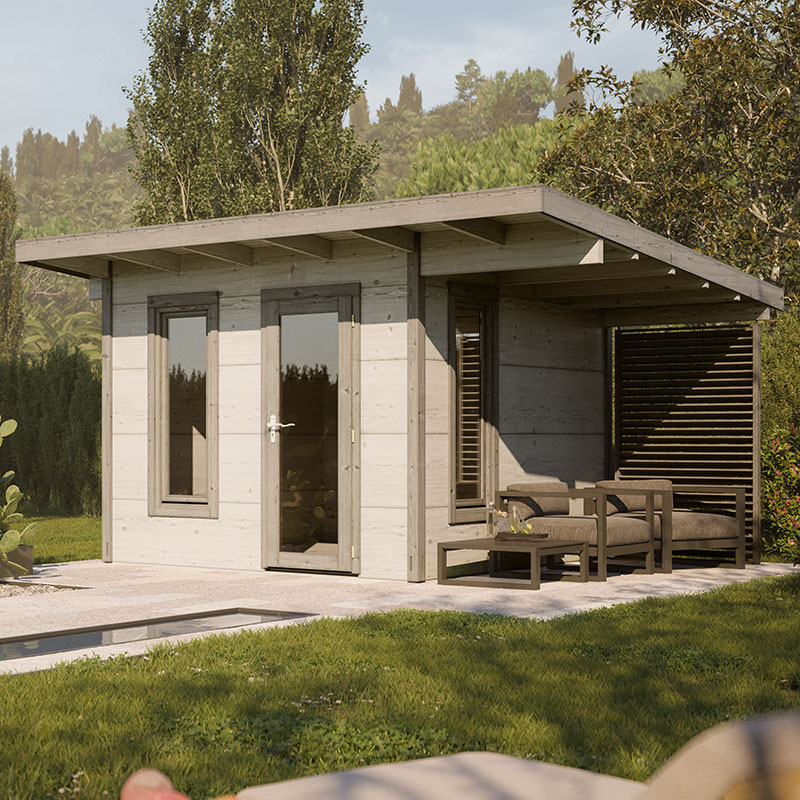
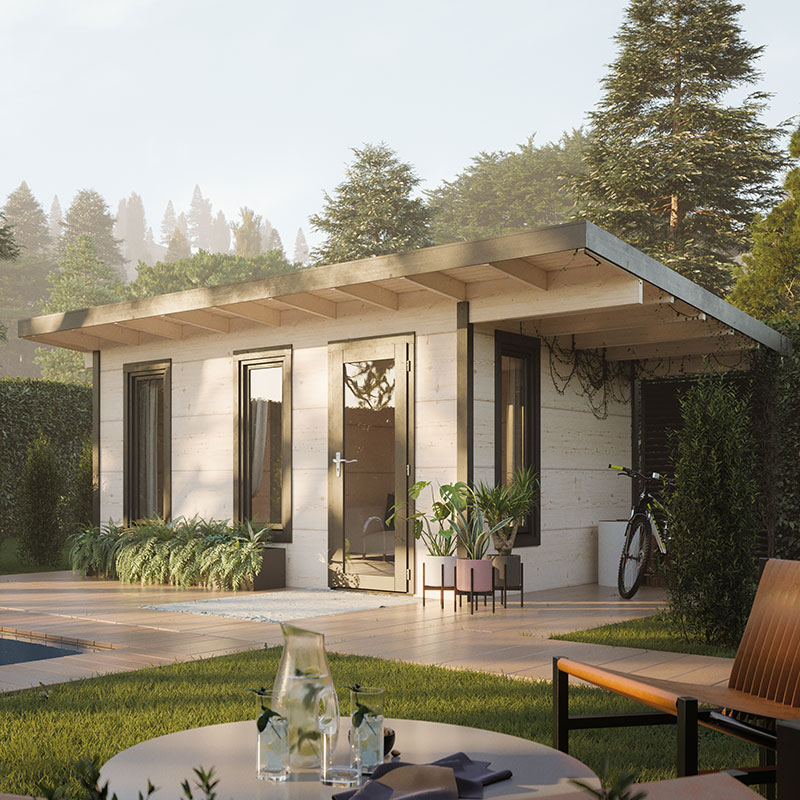
- Pent roof cabins – a lower, cleaner profile, often preferred when you want the building to feel more contemporary and less dominant.
Shape matters because it changes more than appearance. It affects furniture placement, how the cabin sits in the garden, and sometimes even how open the room feels inside. A corner form may free up lawn space, while a rectangular one is often better if you want a tidy, clear room with easy zones for seating, storage or a desk.
Layout options that change how the room works
Within the 56mm range, you will often see different internal arrangements that give the cabin its own character. These are worth paying attention to because they determine how the building actually functions, which is really the point when you are choosing a garden cabin rather than just admiring a timber structure from the path.
Some cabins come as a simple open room, which is useful if you want one clear space for a lounge area, hobby room, home office or dining setup. Others include a side store, a partitioned area, or a covered overhang. These details can make a big difference to how you use the building day to day.
- Single-room cabins – clean, open and easy to furnish.
- Cabins with side store – handy when you want to keep the main room uncluttered.
- Model with covered veranda – adds a sheltered edge that can feel useful for sitting out, boots, or a small table and chair set.
- Corner entrance layouts – can improve access and change the flow inside, especially in tighter spaces.
The difference between these is more practical than decorative. If you need the room to feel calm and open, a single-space layout often makes sense. If you want somewhere to keep items tucked away without using up the main room, a cabin with built-in storage can be a better fit. It saves the awkward “where do we put this?” problem later on.
Doors and windows: where the style starts to show
One of the nice things about 56mm log cabins is that the thicker wall sections pair well with more generous glazing. The overall look feels balanced, and the cabin can move from “useful timber building” to something that looks more thought through. Doors and windows are not just about light, they strongly influence the style of the whole structure.
You will often find different openings across this category, and each option changes the tone:
- Single doors – simple and practical, especially when space is tighter.
- Double doors – create a wider, more open entrance and suit rooms meant for regular use.
- Half-glazed doors – offer more privacy while still allowing light in.
- Fully glazed doors – brighten the interior and give the cabin a room-like feel.
- Large front windows – useful when you want views out into the garden and a less enclosed atmosphere.
- Side windows – can help balance daylight across the interior, especially in deeper cabins.
The difference in feel is quite marked. A cabin with bigger glazing often appears lighter and more welcoming for social use, while smaller windows can suit a more private space or a building that needs to sit more quietly within a boundary. It is a matter of how the cabin will be used, and also how much of the garden view you want to bring indoors.
Roof styles and the look they create
The roof is another part where the 56mm range shows some variety. The roof shape has a strong effect on how tall, compact, traditional or modern the cabin feels. It also changes the silhouette in the garden, which matters more than people sometimes expect.
Apex roofs give that familiar pitched form many buyers associate with timber cabins. They can look balanced and traditional, and they often work well if you want a building with a classic garden-room feel. The roofline can also make the cabin feel a bit more spacious above head height, which helps the interior avoid looking boxy.
Pent roofs, by contrast, create a lower and more contemporary outline. They can suit modern gardens or spaces where you do not want the cabin to stand too high. This style is often chosen for a cleaner architectural look, and it can sit nicely near fences or boundary lines where a lower profile is useful.
Some cabins also include an extended roof overhang or a small canopy area. Even a modest overhang can add character, and it gives the building a more finished appearance. It is one of those things that sounds minor, but when you see it in a garden setting, it can make the structure feel more intentional.
What 56mm gives you compared with slimmer cabins
If you are comparing wall thicknesses, the jump to 56mm is often about feel as much as function. Thinner cabins may suit occasional use or a lighter budget, but this size steps into a sturdier category that often appeals to buyers looking for a more permanent garden building.
Here are some of the key differences:
- More substantial wall section – gives the cabin a denser appearance and a firmer presence.
- Improved structural feel – the building often feels less lightweight and more composed.
- Better for frequent use – useful when the cabin is intended as a regular room, not just an occasional hideaway.
- Stronger visual profile – thicker logs create a richer timber look from outside.
- More versatile in use – suitable for a wider range of setups, from work to leisure.
That said, the difference is not only about thickness for its own sake. A 56mm cabin can feel more convincing as part of a landscaped garden, especially where the building is meant to add value to the space rather than simply fill it. It looks like it belongs there. That is often what buyers are after, even if they do not phrase it that way.
Useful features buyers often look for
People browsing this category tend to look for certain details because they affect both appearance and use. These features can make the cabin feel more complete, and they are worth checking before choosing a layout.
- Wide opening doors for easier access and a more open feel.
- Good glazing proportions so the room has light without looking overexposed.
- Flexible floor plans that let you arrange furniture without awkward corners.
- Distinct cabin profile with the log walls visible as part of the design.
- Options with extra storage when you want the main room to stay tidy.
- Corner designs for gardens where space needs to be used well.
It is worth thinking about how you want the cabin to sit in the garden as a whole. A strong profile can make a small plot feel more organised, while a softer corner design can avoid overpowering a compact outdoor area. There is no one right answer, which is probably why this category is so popular with different kinds of buyers.
Choosing the right type for your plans
The best 56mm log cabin is the one that matches how you actually plan to use it. That sounds obvious, but it is easy to be swayed by a nice front elevation and forget the practical side. The right choice comes down to room shape, door position, glazing, and how much internal flexibility you need.
If you want a calm space for a desk and chair, a simple rectangular cabin with a few well-placed windows may suit better than something with lots of decorative detail. If you want a social room for longer gatherings, double doors and larger glazing can create a more open atmosphere. If the garden is awkwardly shaped, a corner cabin or a pent roof design might fit better and look less forced.
Also, think about the tone of the timber build itself. Some cabins feel more rustic, with a stronger log-house character. Others are cleaner and more pared-back. Both can work well in the 56mm range, but the difference changes how the building reads from the house and from the rest of the garden.
Small details that make the purchase feel right
Sometimes it is the smaller points that tip the decision. Buyers often notice the way the front elevation looks, whether the cabin has enough window balance, or how the roof shape affects the overall line. These are not flashy details, but they are the ones you keep seeing every time you look out of the kitchen window.
Another useful point is proportion. A 56mm cabin with well-balanced doors and windows can feel much more settled than one with openings that seem squeezed in. The thickness of the walls helps here, because it frames the cabin in a more confident way. Even when the design is simple, it rarely looks plain in a bad sense; more like it knows what it is.
For many buyers, that is enough. They want a timber cabin that feels dependable, looks the part, and offers a proper usable room in the garden. 56mm log cabins do that without being overcomplicated, and that is probably why they stay such a strong choice in the category.
What makes this category worth a closer look
If you are comparing timber buildings and keep coming back to 56mm log cabins, there is usually a reason. The category offers a good balance of thickness, style and room-like presence. It can feel more refined than slim wall options and less overbuilt than heavier grades, which makes it a practical middle point for many gardens.
That balance shows in the range of available shapes, roof forms and internal layouts. Whether you prefer a plain rectangular room, a corner-saving design, a cabin with a side store, or a model with more open glazing, the 56mm range gives enough variety to suit different plots and uses. It is the sort of category that rewards careful comparison rather than quick browsing.
And that is the real appeal: a solid timber building with enough choice to match the garden, the layout and the way you want to use the space. Not too light, not too fussy, just a well-judged cabin that can make a garden feel more finished and more useful.
[Sassy_Social_Share]