
28mm Sheds - Best Deals in UK!
Showing all 2 results
-
13% OFF: 13’5 x 8’5 Palmako Jari (28mm) Premium Nordic Shed (4.1m x 2.6m) £2,989.0013%

-
11% OFF: 17′ x 10’5 Palmako Jari Premium (28mm) Multi-room Shed (5.2m x 3.2m) £3,989.0011%

28mm sheds offer a practical balance of timber strength, usable space and a tidy garden finish, making them a solid choice for storage, hobby use and compact outdoor spaces.
Why 28mm walls are worth a closer look
When people compare garden sheds, the wall thickness often decides how the building feels in use. 28mm sheds sit in a very useful middle ground. They are thicker than many light-duty garden buildings, yet not as heavy or costly as larger log cabin-style structures. That means you get a shed with a more substantial timber feel, better rigidity, and a warmer interior look, without moving into a more bulky category.
For a buyer, this thickness can make a real difference in how the shed stands up to everyday use. Tools can be stored with less of that thin-panel echo, the door frame often feels more secure, and the structure can take a more regular rhythm of opening, closing and loading. If you want a garden building that does not feel flimsy, 28mm wall logs are a sensible step up.
What makes a 28mm shed different?
The key difference is in the wall construction. A 28mm timber wall usually means a more solid board profile, often associated with interlocking log-style build systems. This creates a cleaner, more substantial wall surface than thinner overlap sheds or lightweight tongue and groove boards used in basic models.
Bestseller der Kategorie 28mm Sheds
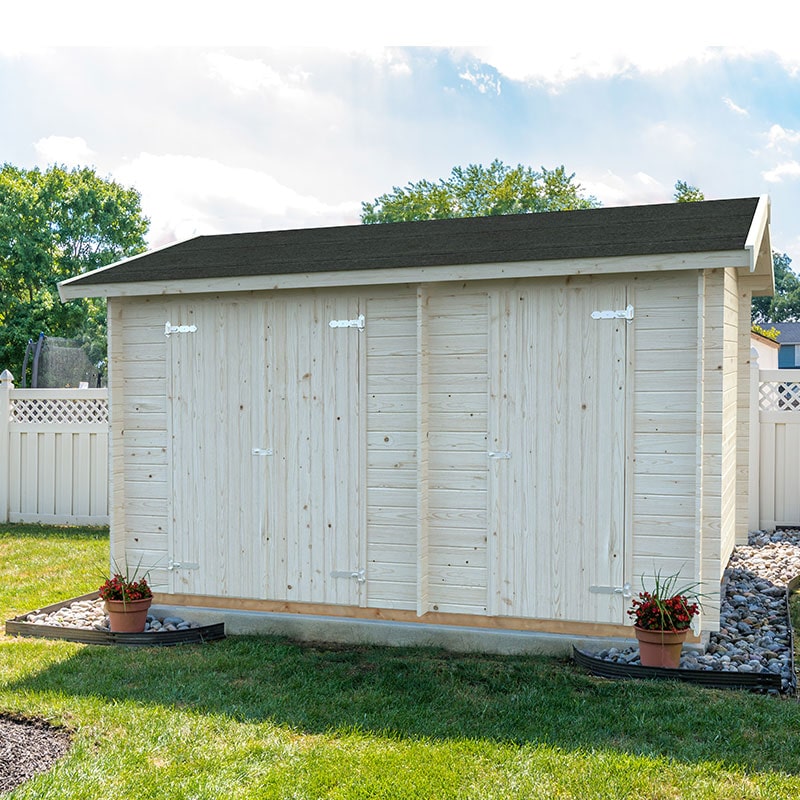
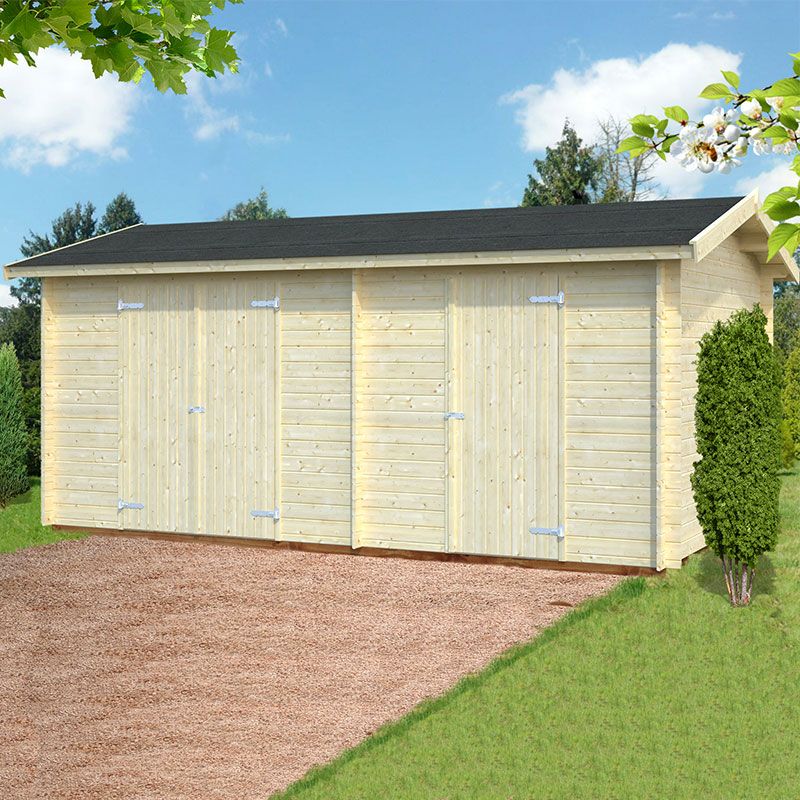
That extra thickness can also help the shed feel more stable when the weather turns. It is not about turning the building into a fully insulated room, but it does mean the shed can feel less rattly and more reassuring day to day. If you are comparing options, the difference is often noticeable in the way the doors line up, the weight of the panels, and the overall sense of structure.
Shapes and layouts that suit different gardens
28mm sheds come in several familiar forms, and the right shape usually depends on what you need to store and how your garden is laid out.
- Single-door sheds suit smaller gardens and basic storage needs, especially where access space is tight.
- Double-door sheds make it easier to move larger items in and out, such as lawnmowers, bikes or garden furniture.
- Rectangular sheds are the most practical for shelves, stacked boxes and straightforward use of floor space.
- Corner-style options can work well where you want the shed tucked neatly into a less used part of the garden.
- Wider cabin-style footprints give a more open internal feel and can be easier to organise if you want more than just storage.
The shape matters because a shed is not only about capacity, it is also about how easily you can use it. A narrow shed may technically fit what you own, but if you are constantly turning items sideways to get them through the door, it soon feels awkward. A wider front opening or a more balanced footprint can make everyday use much smoother.
The timber look that feels more settled in the garden
One reason people choose 28mm timber sheds is the appearance. The wall thickness gives the building a more grounded look. It sits well in gardens where you want something that blends with planting, paving or fencing rather than looking temporary. The timber grain, the interlocking lines and the fuller wall profile all give it a more traditional finish.
This can be especially useful if the shed will be visible from the house or positioned near a seating area. A shed with a more substantial timber profile often looks less like a utility box and more like part of the garden layout. That is a small thing, but for many buyers it matters.
Storage use: from everyday tools to bulkier garden gear
28mm sheds are often chosen because they can handle more than basic hand tools. The extra wall thickness makes them a good match for gardens where storage tends to build up over time. You might be storing long-handled tools, compost bins, folded chairs, hose reels, seed trays, bags of bark, or items that just do not suit a smaller plastic locker.
They are also a practical choice for owners who want one building to cover several jobs. A shed can be a bit of overflow storage, a place for equipment that stays dry, and a spot where items are not stacked too tightly. With the sturdier wall build, there is usually a better feeling of order inside because the structure supports a more “proper” shed layout.
Cabin-style, apex or pent: the main roof differences
The roof style changes both the look and the internal feel of a 28mm shed. Each version has its own strengths.
- Apex roofs give the classic pitched-shed shape and can provide a more traditional garden building appearance.
- Pent roofs suit modern gardens and are useful where you want the roof to slope away from one side cleanly.
- Cabin-style designs often feel a little more like a garden room in shape, even when used mainly for storage.
The roof line also affects how the shed sits against fences, walls or neighbouring structures. A pent roof can tuck in neatly under some boundary lines, while an apex roof may give a more balanced front view and a bit more headroom in the centre. If you are matching the shed to your garden rather than just picking the first size that fits, roof type is worth a proper look.
Door choices that change how usable the shed feels
The door is one of the most important parts of the whole building. In a 28mm shed, the door style should match what you plan to store. A single door can be fine for compact spaces and normal garden tools, but a double-door layout often feels easier if you move anything wide or awkward.
Door position also matters. A centrally placed door can make the inside feel more balanced, while an offset opening may give better wall space for shelving or stacked storage. If you are likely to carry items in with both hands, or push in a wheelbarrow, the opening width becomes more than just a detail. It affects how the shed works every time you use it.
Why 28mm is a useful middle thickness
Choosing 28mm wall boards is often about finding the point where the shed feels substantial but still manageable. Thinner sheds can suit very light storage, while thicker log cabins may be more than you need if the space is simply for garden equipment. 28mm sits between those two ends and can suit buyers who want a better sense of quality without going too far in size or cost.
There is also a noticeable difference in how the timber panels feel when handled. The doors can seem more weighty, the walls less hollow, and the whole building more composed. If you compare it with very light garden sheds, the contrast is usually clear. It is the sort of difference that shows up in daily use rather than just on paper.
Good fits for hobbies, not just storage
Although the main use is often storage, 28mm sheds can suit hobby-based use too, as long as the space and layout are right. The stronger timber feel can make the shed more comfortable for potting, repair work, model making, or keeping a small project area tidy. It is not about promising a full workshop, but about giving you a more reliable base than a very light shed would.
If your hobby involves repeated opening and closing, moving items about or standing in the building for longer periods, the more solid wall construction can feel better under everyday use. It gives the space a less temporary feel, which some buyers really notice when they start using the shed regularly.
Choosing the right size for the job
Size is easy to underestimate. A 28mm shed can look compact outside but still be a very useful building if the internal layout is planned properly. It helps to think in terms of what needs to fit through the door, what needs to stand upright, and whether you want any clear floor space left for movement.
A narrow shed may work for long tools and a few boxes, but if you want to store a mower, bikes or stacked furniture, a wider footprint is often easier to live with. On the other hand, if the garden is tight, a smaller 28mm building may be the better trade-off because you still get the sturdier wall construction without taking over the plot.
Cladding details buyers often compare
When looking at 28mm sheds, small construction details can matter quite a bit. The way the wall logs interlock, the timber finish, the door arrangement and the roof profile all contribute to how well the building suits your space. Buyers often notice these points when comparing similar sheds side by side.
- Wall profile: a fuller log profile tends to feel more rigid than lighter board systems.
- Front access: wider access helps if you store large or awkward items.
- Internal shape: a simple rectangle usually makes the best use of shelving and stacking.
- Visual style: a more traditional timber look may suit established gardens better than a stark utility finish.
These are not flashy features, but they are the sort of things that decide whether the shed feels right once it is in place.
Practical tips before you buy
Before choosing a 28mm shed, it is worth checking the exact access you need, not only the footprint of the building. A shed can fit the garden space but still be awkward if the door opening is too tight or if the route into position has a narrow gate or overhanging branches.
It also helps to think about what goes inside first, then choose the shape second. If your main items are tall and narrow, depth and height may matter most. If you need to store wide tools or furniture, then door width and floor area become more important. That simple order can save a lot of guesswork.
Another useful point is how visible the shed will be from the house. Because 28mm timber sheds have a more settled appearance, they often work well where the building will be seen every day and should look neat rather than purely functional.
Who tends to choose 28mm sheds?
This category often suits people who want a shed that feels a bit more considered than a basic garden store. It may be the right fit if you need a building for mixed storage, want a sturdier timber look, or simply prefer a shed that feels more substantial when you use it. It is also a sensible option for gardens where appearance matters as much as function.
If you only need a very light place for a few bits and pieces, a thinner shed may be enough. But if you know the shed will be used often, loaded with a range of items, or placed somewhere prominent, the 28mm wall thickness makes a strong case.
A final look at the balance it offers
The appeal of 28mm sheds comes down to balance. They offer a more solid timber feel, useful storage space, and a garden-friendly look that suits many homes. They are available in different shapes, roof styles and door layouts, so it is usually possible to find a version that fits both the garden and the way you want to use it.
If you are comparing sheds and trying to avoid something too light or too bulky, this category is often the point where the choice starts to feel practical. It gives you a building that looks the part, works well for everyday storage, and does not feel like a compromise made just to save space.
[Sassy_Social_Share]