
16mm Log Cabins - Best Deals in UK!
Showing the single result

16mm log cabins are a practical choice for compact garden storage, hobby space and light-duty outdoor use, with a slimmer wall profile, neat timber finish and a range of shapes to suit smaller plots.
Why 16mm Log Cabins Catch the Eye
16mm log cabins sit in the lighter end of the timber cabin range, which is part of the appeal. The slimmer wall thickness gives a tidy, streamlined look and keeps the structure feeling less bulky in the garden, while still offering the familiar interlocking log cabin style many buyers want. For anyone comparing options, this category is often about balancing appearance, footprint and value rather than chasing a heavy, oversized build.
That makes 16mm cabins a useful fit for gardens where space is at a premium, or where the cabin needs to work as a storage space, potting nook, compact hobby room or simple garden hideaway. The timber profile also gives a clean exterior line, so the cabin can sit comfortably beside planting, fencing and other garden features without looking too dominate. Not too much, not too little — just a neat timber structure that does its job.
The Slimmer Timber Profile Explained
The main difference with 16mm log cabins is the wall thickness. At 16mm, the boards are noticeably lighter than thicker cabin systems, which affects both the look and the intended use. These cabins are generally chosen where the priority is a garden building with character, rather than a fully insulated room-style structure. The thinner profile can also keep the overall product more approachable for buyers who want a timber cabin without moving into the heavier, more substantial price bracket.
Bestseller der Kategorie 16mm Log Cabins
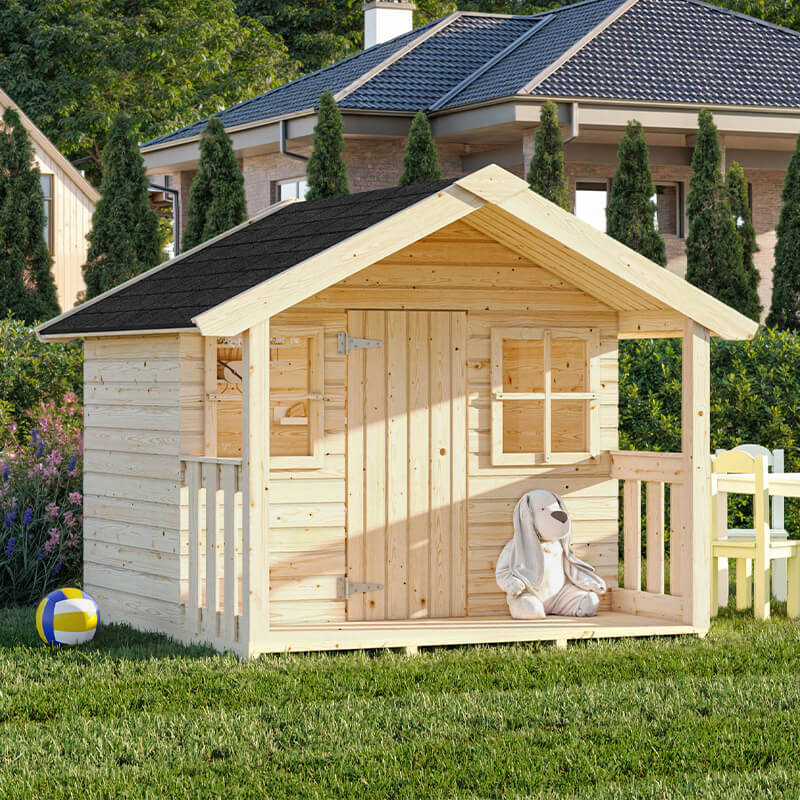
It is worth reading 16mm as a clue to the cabin’s role: this is a category that leans towards lighter-duty applications, where the shape, glazing and footprint matter as much as the wall thickness. If you are comparing cabins on the same page, this thickness can help you sort the options quickly. In simple terms, 16mm log cabins are about form, function and sensible sizing.
Shapes That Suit Different Gardens
One of the strengths of this category is the variety of shapes available. Different roof lines and layouts can change how the cabin looks and how it fits into the space. Buyers often choose the shape before anything else, because it affects where the cabin can sit and how it will be used day to day.
- Apex roof cabins – the classic pitched roof shape, often chosen for a traditional log cabin look.
- Pent roof cabins – a sloping single roof line that can sit well against a fence or boundary.
- Corner log cabins – designed to tuck neatly into an unused corner and make better use of awkward space.
- Compact square cabins – useful where the footprint needs to stay balanced and efficient.
- Longer rectangular layouts – handy for separating storage at one end and seating or workspace at the other.
These shapes are not just visual differences. They change how the cabin interacts with the garden. A corner cabin can open up the centre of a patio, while a pent cabin can feel less tall at the rear and easier to position near an existing structure. An apex cabin, on the other hand, gives a more recognisable log cabin outline and tends to suit buyers who want that familiar timber-building feel.
Window Layouts and Doors: Small Changes, Big Effect
In a category like this, glazing and door placement matter a lot. A 16mm log cabin with wide glazing can feel brighter and more open, while a more enclosed design gives a sheltered, private feel. Some cabins place the door centrally for symmetry, while others offset the opening so one side can be used more efficiently. These are not just design details; they change the way the cabin works in real life.
Buyers often compare:
- Single doors for a simpler layout and a smaller opening area.
- Double doors where easy access and a more open feel are important.
- Side windows to bring in light without taking over the front elevation.
- Front-facing glazing if the cabin is meant to be seen as part of the garden scene.
- More enclosed designs for storage-focused use or a quieter visual profile.
If you are choosing between two similar cabins, the glazing pattern can be the deciding factor. A bright layout makes a small footprint feel larger, while a simpler opening can suit a more practical, storage-led use. With 16mm log cabins, these details often do a lot of the work.
What Makes 16mm a Useful Middle Ground
The 16mm wall thickness sits in an interesting place. It gives you the look of a log cabin without pushing the building into a heavier class. That can be useful if you want a timber feature in the garden but do not need the added bulk of thicker wall systems. The result is a building that feels more substantial than a basic shed, yet still accessible in terms of size and layout.
For many buyers, the attraction is this middle ground. 16mm log cabins can offer a more refined finish than plain storage buildings, while still staying compact enough for modest gardens. They are often chosen by people who want a neat outdoor room effect without the visual weight of a deeper wall build. That makes them a sensible fit for smaller outdoor spaces, side returns and patios where every metre matters.
Where the Category Tends to Fit Best
This is not a one-size-fits-all category. Instead, 16mm cabins tend to suit particular uses and garden settings where lightness and compact design are part of the brief. They are often bought when the cabin needs to be useful, tidy and fairly easy to place, rather than overly formal or overbuilt.
- Compact gardens where a slimmer building is easier to position.
- Patio areas where a cabin needs to sit visually with paving and seating.
- Corner spaces that might otherwise go unused.
- Storage-led layouts where the priority is keeping items dry and organised.
- Light hobby spaces where a timber cabin feel is wanted without a large footprint.
Because the category is relatively flexible in shape and size, it is easy to find a version that matches the garden rather than forcing the garden to match the building. That is often where 16mm log cabins become an appealing buy: they are adaptable, presentable and not overly imposing.
Advantages Buyers Usually Look For
There are a few clear reasons people land on this type of garden building. Some are visual, some are practical, and some sit somewhere in between. What matters is that the benefits are easy to understand at a glance.
- Compact footprint for tighter outdoor spaces.
- Timber cabin appearance with the familiar interlocking log look.
- Less bulky profile than heavier wall constructions.
- Choice of shapes to suit different garden layouts.
- Flexible use for storage, hobbies or simple shelter.
- Good visual balance in gardens where a full-size cabin would feel too much.
Another advantage is the way these cabins can sit in the garden without becoming the only thing you notice. A 16mm log cabin can complement planting, decking, gravel and hard landscaping rather than overpowering them. For buyers who care about how the whole space looks, that can matter just as much as the storage or floor area.
How the Different Types Compare
Within the category, the differences are often subtle but useful. A buyer comparing cabins will usually notice variations in roof style, door position, glazing and overall proportions before anything else. Those details shape the feel of the building far more than a simple product title does.
An apex 16mm log cabin tends to feel more traditional and can suit a garden where a pitched roof looks at home. A pent version is usually more understated and can be easier to place next to a wall, shed or boundary. Corner designs are the practical choice when the garden has a dead corner that needs using properly, while front-facing rectangular cabins can give a more familiar cabin silhouette.
The glazing also changes the character. More glass can make a small cabin feel brighter and less closed in, but a simpler layout may suit buyers who want a cleaner storage solution. There is no single right answer here — just the right match for the space and the way you plan to use it.
Little Details That Help You Choose Well
When buying a 16mm log cabin, it helps to think beyond the headline size. A few practical checks can make the category easier to narrow down.
- Measure the exact footprint and compare it with the usable space in your garden, not just the open area at first glance.
- Check the roof shape and imagine how it will sit against fences, sheds or planting.
- Look at door swing and access so the opening works with the space in front of the cabin.
- Think about window placement if light, privacy or outward views matter.
- Match the cabin shape to the garden layout rather than choosing a style that fights the space.
These small checks often make the difference between a cabin that simply fits and one that feels properly planned. Since the category includes several forms and proportions, it pays to compare the overall arrangement, not only the dimensions on paper.
A Style That Does More Than Store
Even when bought for practical reasons, a 16mm log cabin can still change the feel of a garden. Timber adds warmth, the cabin shape brings structure, and the smaller scale can make the whole area feel more ordered. That is useful if the garden needs a focal point that is not too heavy or formal.
For some buyers, the attraction is a simple one: a cabin that looks tidy from the house and still earns its place by being useful. For others, it is the mix of compact size, log-cabin character and flexible layout. Either way, this category gives plenty to work with if you want a garden building that feels considered rather than thrown in at the last minute.
Choosing the Right Fit for Your Space
If you are browsing 16mm log cabins, the best choice usually comes down to three things: the shape of your garden, the way you plan to use the building and the look you want it to have. A corner cabin may solve a layout problem. A pent roof may blend more quietly into the edge of the plot. An apex style may give you the look you had in mind from the start.
That is the strength of this category — it offers a clear timber cabin feel in a size and wall profile that can work in a lot of ordinary gardens. Not every buyer needs a heavy building. Sometimes a clean, compact and well-proportioned cabin is the better answer. And in that case, 16mm is often the thickness that makes the idea feel just right.
What to Look For at a Glance
When comparing products in this category, it can help to scan for the features that matter most to your space:
- Wall thickness and overall cabin profile
- Roof style: apex, pent or corner
- Door position and opening width
- Window layout and light level
- Footprint and how it fits the garden
- Visual balance with existing outdoor features
Once those points are clear, it becomes much easier to narrow the choice. That is often how buyers get from browsing to buying: the right cabin is usually the one that looks like it was meant for the space all along.
[Sassy_Social_Share]