
16mm Garden Structures - Best Deals in UK!
Showing the single result

16mm garden structures bring together rigid framing, practical glazing options and a thickness that suits year-round outdoor spaces, from compact shelters to larger growing areas and covered corners.
Why 16mm matters when the shape has to do real work
When people talk about 16mm garden structures, they are usually referring to builds that use 16mm multiwall panels or a similar 16mm structural format for cladding, roofing or side panels. That thickness sits in a useful middle ground: it feels sturdier than thinner sheets, yet it is still light enough to handle in everyday garden projects. For buyers, that means a structure that can do more than simply look neat. It can create a proper usable space for plants, tools, seating or shelter, while still fitting into a domestic garden without looking bulky.
The real appeal is in how the thickness changes the whole character of the structure. A 16mm panel gives a more solid look, better stiffness and a noticeable step up in visual presence. It also suits designs that need a bit more body, whether that is a greenhouse side wall, a lean-to cover, a potting area or a protective roof section. You tend to see it chosen where clarity, rigidity and insulation value all matter together.
Forms you will actually see in the garden
There is no single shape for 16mm garden structures. The format works across a range of forms, and that is part of the reason it keeps showing up in buying decisions. Depending on the build, the same 16mm specification can be used in quite different ways.
Bestseller der Kategorie 16mm Garden Structures
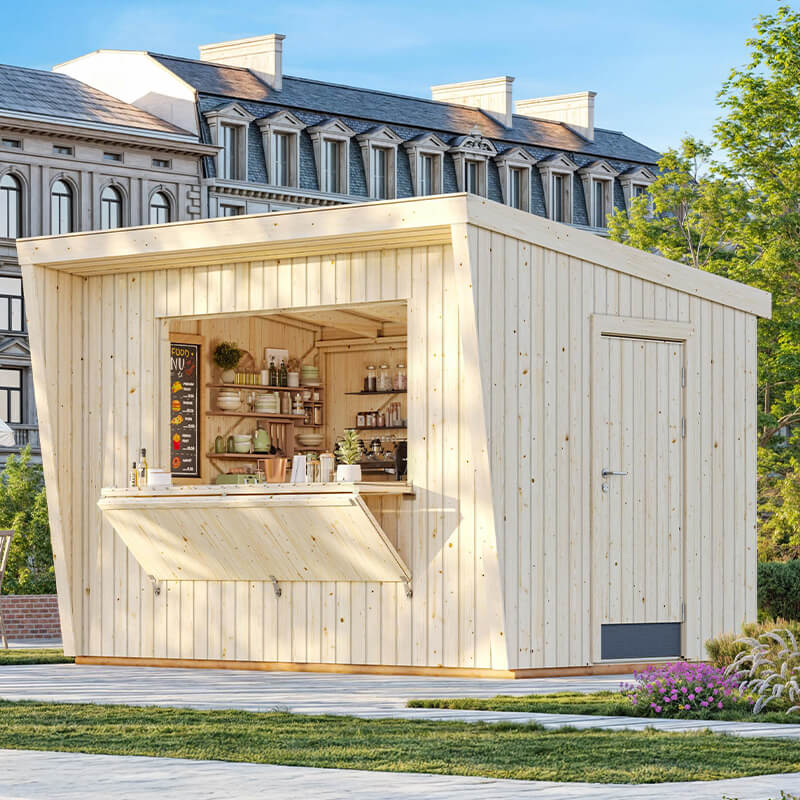
- Lean-to structures that sit against a wall or fence and make efficient use of limited space.
- Freestanding garden shelters that create a covered area for plants, storage or sitting out.
- Greenhouse-style structures where the 16mm panels help with light spread and a more enclosed feel.
- Potting and propagation spaces that need shelter, but not necessarily a full enclosed room.
- Covered walkways or side extensions where a slimmer profile is useful.
- Roofed frames and canopy sections that benefit from the panel depth and added strength.
Different forms suit different gardens. A lean-to is often chosen when wall space is available and the aim is to keep things compact. Freestanding structures give more flexibility with positioning, while roofed frames and canopies are handy where you want a defined sheltered area without boxing the whole garden in. The same 16mm specification can therefore serve both practical growers and people looking for a more lived-in outdoor space.
The build feel: not flimsy, not overdone
A useful way to think about 16mm garden structures is that they sit between lighter decorative covers and heavier permanent buildings. That middle position is often where the buying decision gets easier. Thinner panels can feel airy and cost-conscious, but may not give the same sense of body. Much thicker systems can add weight, price and visual bulk. 16mm often lands in the spot where the structure feels purposeful without being excessive.
The panel depth also affects how the structure reads in the garden. It gives edges a more substantial look, helps frames appear more defined, and can make the whole setup feel less temporary. For buyers comparing options, that difference matters. If you want a garden build to look like it belongs there, not like it was only put up for one season, 16mm can make the design feel more settled.
Types of 16mm panel behaviour: what changes the result
Not all 16mm structures perform in exactly the same way, because the panel layout and profile can change how light, strength and finish behave. The thickness is one part; the construction style is the other.
- Multiwall 16mm panels give a layered internal structure, often chosen for better insulation and a more controlled feel.
- Solid 16mm sheets are less about trapped air and more about clean strength and straightforward appearance.
- Clear panels allow more direct light through, useful where visibility and brightness matter.
- Opal or diffused panels soften the light, helping reduce harsh glare and creating a more even spread.
- Fluted or channelled profiles can change the visual texture while supporting the panel’s rigidity.
The difference between these types is not just cosmetic. A clear panel can make a space feel brighter and more open, while a diffused finish often feels calmer and less stark. Multiwall panels are attractive when the aim is to hold warmth or create a more sheltered internal environment. That means buyers should think about the job first: growing, shading, covering, or a mix of all three.
What 16mm gives you that thinner options often do not
One of the main reasons people move towards 16mm garden structures is the sense of added performance. This is not about making huge claims; it is about a few practical differences you can feel once the structure is in place.
- More panel depth gives a stronger, more composed look.
- Better stiffness can help the structure feel less restless in use.
- Improved insulation potential is useful in covered growing spaces.
- Controlled light diffusion can make interior conditions easier to manage.
- Better balance between weight and handling than many heavier build types.
For gardeners, that can translate into a space that feels more reliable across the seasons. For anyone using the structure as a cover or extension, it means a cleaner, more usable environment. And for people choosing with the eye as well as the practical side, the deeper panel profile usually gives a tidier finish than very thin alternatives.
Clear, opal or tinted: the light story changes the whole space
Light is one of the biggest differences between 16mm structure styles. A buyer might focus first on frame size, but the panel finish can alter how the space works day to day. Clear 16mm panels are useful where you want a bright interior and a direct connection to the garden. They make it easier to see inside and suit spaces that need daylight for plants or general visibility.
Opal or diffused 16mm panels are a different kind of choice. They soften the glare, which can make a sheltered area feel more comfortable and less exposed. In greenhouse-style spaces, this can help reduce sharp light and create a more even atmosphere. Tinted panels, where used, tend to change the feel again, usually giving a more subdued result. The right finish depends on what sits inside the structure and how much visual openness you want from the outside.
Where the differences really show up in daily use
Two structures can both be called 16mm garden structures, yet feel very different once they are in the garden. The variation comes from frame layout, panel finish, opening style and how enclosed the structure is. A narrow lean-to with clear panels will behave differently from a wider freestanding shelter with diffused sides. The first may feel sharper and brighter; the second more enclosed and relaxed.
That difference matters for buying because the use case changes the right choice. If you want to start seedlings, the quality of light and the sheltered feel may matter more than appearance alone. If you want a covered place for chairs or storage, the visual finish and side coverage may come first. For some buyers, it is the mix that matters: a structure that gives shelter without taking away too much daylight or garden view.
Practical buying points that save you from a wrong fit
Choosing 16mm garden structures is easier when you look at the details that affect the final result. Size is obvious, but there are a few less obvious points that help the purchase make sense.
- Panel finish should match the amount of light you want inside.
- Structure form should suit the space you already have, not just the idea on paper.
- Wall-mounted or freestanding needs to be decided early, as it changes the footprint and access.
- Height and roof angle can affect both usable space and how the structure sits visually.
- Opening layout should be considered if the area needs easy movement in and out.
- Panel orientation can influence how light lands inside, especially on longer runs.
It is easy to focus only on the word 16mm and assume everything else is secondary, but that is where mismatches happen. A thick panel in the wrong form can still feel awkward. The best choice is usually the one that suits the plot, the task and the way you plan to use the space week after week.
Subtle advantages that buyers tend to notice later
Some benefits of 16mm structures are clear at the point of sale, while others become more obvious once the structure is in use. That is often where the value sits. People notice the more settled feel, the better light quality and the way the structure sits in the garden without looking too flimsy or too heavy. The deeper panel build can also give a more refined edge to the overall design, especially when the frame lines are neat.
For anyone comparing options, it is worth thinking about the long view of the space. A 16mm structure can work as a growing zone in spring, a shelter in summer and a more protective cover in cooler months. That is not a dramatic promise, just a practical reason why the format keeps being used. It gives one structure several roles without forcing it to become something it is not.
Small details that help the purchase feel right
Before buying, it helps to picture what the structure should do when it is actually in the garden. Is it there to hold light for plants, to create shelter for people, or to give a smarter boundary to a section of the plot? That one question often narrows the field fast. Then the panel finish, shape and positioning can be matched to the task.
Also, do not ignore how the structure looks from inside and outside. Some 16mm builds feel elegant from the garden path but quite enclosed once you step in. Others feel bright and open but may not suit a more private corner. The right one usually balances appearance with function, and the difference is often in the small details rather than the headline spec.
Why 16mm garden structures stay a strong choice
There is a reason 16mm garden structures keep drawing attention: they offer a clear blend of form and function. The format works across different shapes, suits several kinds of panel finish, and gives enough depth to create a noticeable sense of quality without pushing the structure into overly heavy territory. That balance makes it useful for gardeners, hobby growers and anyone wanting a covered area that feels properly thought through.
If you are comparing options, look at the shape, the panel finish, the light levels and the space you actually have. Those four things usually tell you more than a long product list. A good 16mm structure should feel like it belongs in the garden, do the job you expect, and make the outdoor space more usable without looking overcomplicated. That is often what turns a browse into a purchase.
[Sassy_Social_Share]