Garden Privacy Ideas: Creative Solutions for Your Space
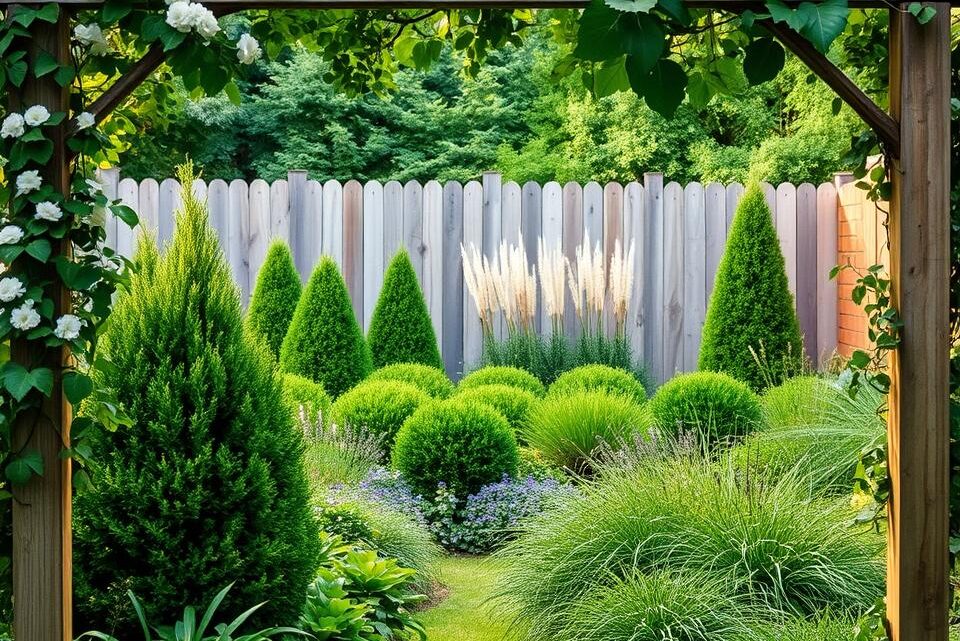
Creating a private outdoor sanctuary is a desire shared by many homeowners seeking to transform their garden spaces. Garden privacy ideas have evolved far beyond traditional fencing, offering innovative and aesthetically pleasing solutions that blend functionality with design elegance.
Modern outdoor space privacy strategies focus on seamlessly integrating creative privacy solutions that enhance both visual appeal and personal comfort. Whether you live in a densely populated urban area or a suburban neighbourhood, strategic design can help you craft a tranquil retreat that feels secluded and intimate.
From lush green screens to architectural elements, today’s garden privacy approaches offer remarkable versatility. Homeowners can now select from an array of techniques that not only shield their space but also contribute to the overall landscape aesthetic.
Inhaltsverzeichnis
Key Takeaways
- Explore innovative garden privacy solutions beyond traditional methods
- Balance aesthetic appeal with functional privacy design
- Consider natural and architectural screening options
- Integrate privacy techniques that complement existing landscape
- Understand local regulations before implementing privacy strategies
Understanding Your Garden Privacy Needs
Creating the perfect private garden sanctuary begins with a comprehensive garden privacy assessment. Every outdoor space is unique, requiring careful evaluation of your specific environment and personal requirements.
Before diving into privacy solutions, homeowners must conduct a thorough analysis of their garden’s current state and potential challenges. This initial step ensures that subsequent design choices are both practical and effective.
Assessing Your Space and Surroundings
A successful garden privacy strategy starts with understanding your immediate landscape. Consider these key factors:
- Proximity to neighbouring properties
- Existing landscape features
- Natural topography
- Sunlight and shade patterns
Determining Privacy Priorities
Not all garden areas require the same level of screening. Identify which zones need the most privacy protection. Common priority areas include:
- Seating areas
- Outdoor dining spaces
- Swimming pools
- Relaxation zones
Considering Local Garden Regulations
Navigating local garden regulations is crucial before implementing any privacy solutions. Different municipalities have specific guidelines regarding:
- Maximum fence heights
- Boundary restrictions
- Planting limitations
- Structural screening permissions
By carefully addressing these aspects, you’ll develop a comprehensive garden privacy plan tailored to your specific needs and local requirements.
Natural Screening Solutions with Plants and Trees
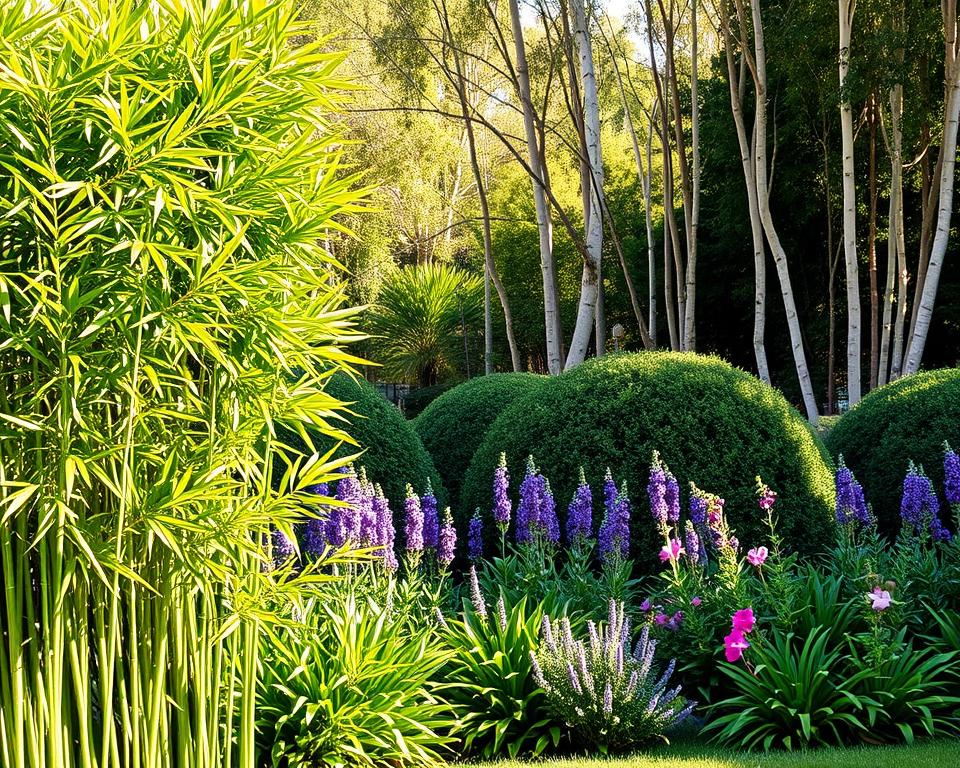
Creating privacy in your garden doesn’t mean sacrificing beauty. Natural privacy screens offer an elegant solution that transforms outdoor spaces while providing seclusion. Privacy plants are the perfect way to design a secluded sanctuary that feels both intimate and welcoming.
Selecting the right garden trees for privacy requires careful consideration. Some exceptional options include:
- Thuja Green Giant – A fast-growing evergreen reaching 20-30 feet
- Bamboo varieties for rapid screening
- Italian Cypress for tall, narrow spaces
- Photinia Red Robin for colourful hedging
When planning natural privacy screens, consider these key factors:
- Growth rate of selected plants
- Mature height requirements
- Local climate conditions
- Soil type and drainage
Evergreen species provide year-round coverage, making them ideal for consistent privacy. Deciduous options can offer seasonal variation and unique textures. Strategic placement allows you to create layered, dynamic garden spaces that feel both protected and visually appealing.
The best privacy solutions blend functionality with natural beauty, transforming garden boundaries into living, breathing landscapes.
Garden Privacy Ideas: Essential Design Principles
Crafting intimate garden spaces requires thoughtful planning and strategic design. Garden design principles play a crucial role in transforming outdoor areas into private sanctuaries that balance functionality with aesthetic appeal.

Successful garden privacy involves understanding how different elements work together to create secluded and comfortable environments. The key is to approach garden design with creativity and purpose.
Layering Techniques for Maximum Privacy
Layered privacy is an effective strategy for creating multidimensional garden spaces. Consider implementing these techniques:
- Use tall trees as background screening
- Incorporate medium-height shrubs as intermediate barriers
- Plant low-growing ground cover for additional visual separation
- Integrate structural elements like trellises and screens
Balancing Aesthetics and Functionality
Garden privacy doesn’t mean sacrificing beauty. Select elements that serve dual purposes:
| Design Element | Privacy Function | Aesthetic Value |
|---|---|---|
| Bamboo Screens | High | Modern, Natural |
| Decorative Metal Panels | Medium | Contemporary, Artistic |
| Climbing Plants | Gradual | Romantic, Soft |
Creating Intimate Garden Zones
Design your garden with distinct zones that offer privacy and relaxation. Use architectural features like pergolas, raised platforms, or strategic planting to segment your outdoor space into personal retreats.
By applying these garden design principles, you can transform your garden into a private, serene environment that reflects your personal style and provides a peaceful escape from the outside world.
Modern Fencing Options and Materials
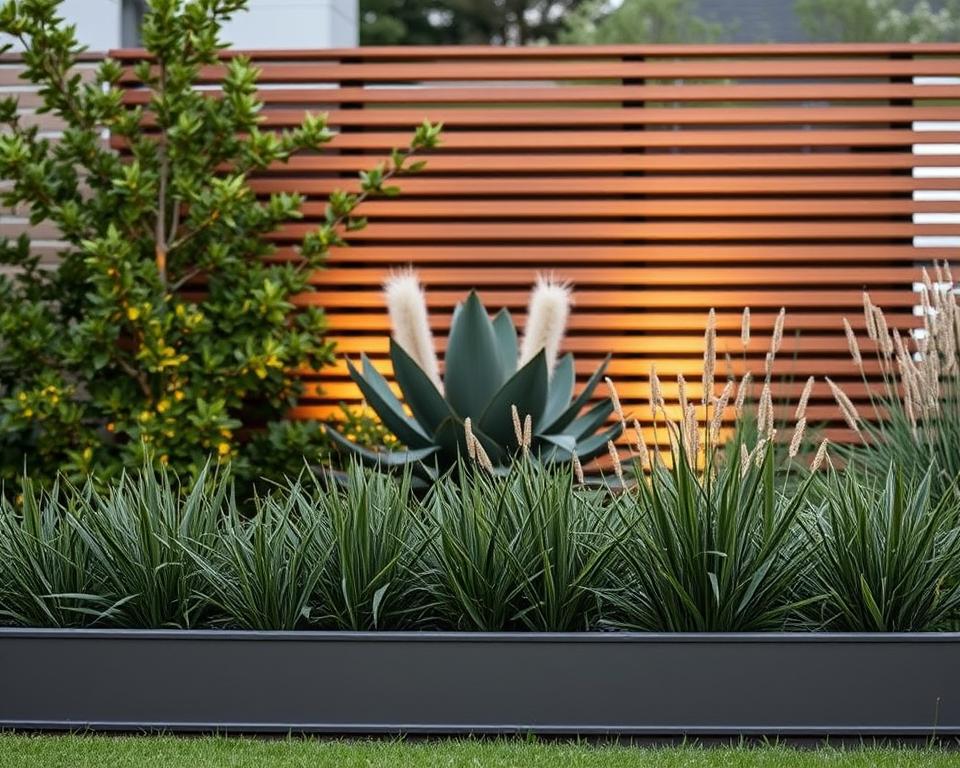
Designing the perfect privacy fence requires careful consideration of materials and styles. Modern garden fencing has evolved far beyond traditional wooden panels, offering homeowners innovative solutions for creating contemporary garden boundaries.
When exploring privacy fence materials, several standout options emerge:
- Composite Fencing: Combines durability with low maintenance
- Aluminium Panels: Sleek and rust-resistant design
- Sustainable Bamboo: Eco-friendly natural screening
- Glass Panels: Minimalist and light-transmitting
Metal and composite materials have transformed modern garden fencing. Aluminium panels provide a streamlined aesthetic while offering robust privacy. These contemporary garden boundaries can be customised with different colours and finishes to complement your outdoor space.
Sustainable options are gaining popularity. Bamboo fencing presents an environmentally conscious choice that adds natural texture and warmth to garden landscapes. Composite materials offer another eco-friendly alternative, blending recycled wood fibres with plastic for increased longevity.
The right fence transforms your garden from exposed to exclusive.
Key considerations when selecting privacy fence materials include:
- Weather resistance
- Maintenance requirements
- Aesthetic compatibility
- Budget constraints
By carefully selecting modern garden fencing that suits your specific needs, you can create a private, stylish outdoor sanctuary.
Vertical Gardens and Living Walls for Privacy
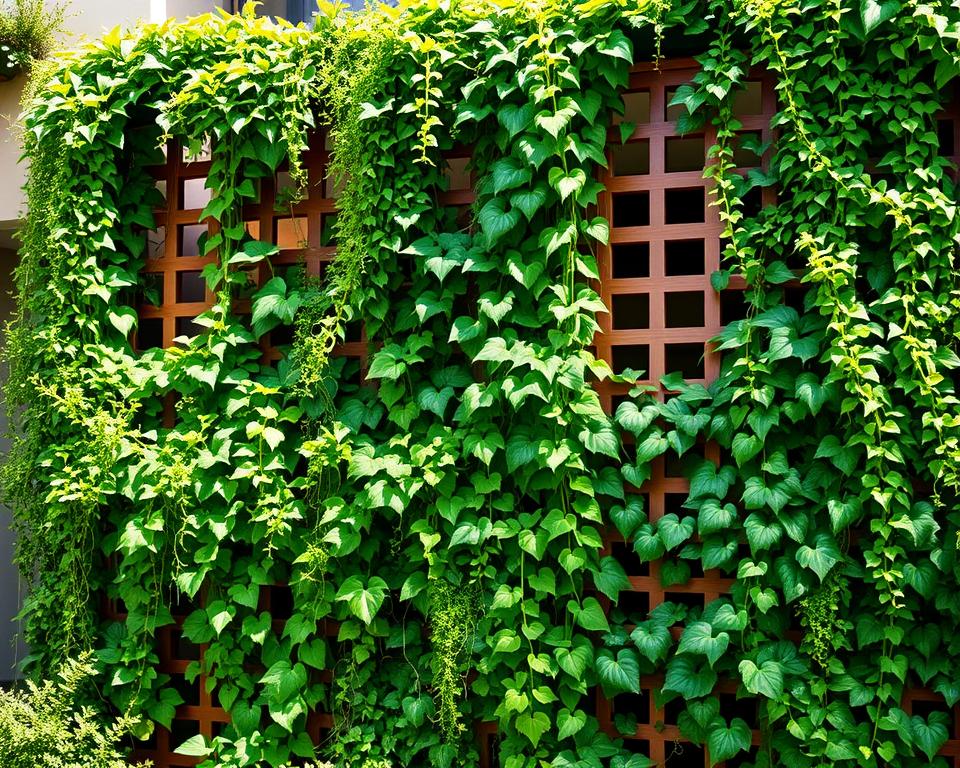
Transforming garden privacy into a living, breathing masterpiece, vertical gardens and living walls offer an innovative solution for creating secluded outdoor spaces. These green barriers not only provide essential privacy but also introduce a stunning visual element to your landscape design.
Vertical garden privacy solutions have revolutionised how we think about garden boundaries. Unlike traditional fencing, living walls breathe life into your outdoor environment, combining functionality with ecological benefits.
Strategic Plant Selection for Vertical Spaces
Selecting the right plants is crucial for successful vertical planting ideas. Consider these top performers for living walls:
- Ferns: Excellent for shaded areas with dense foliage
- Succulents: Low maintenance and drought-resistant
- Climbing plants: Ivy, jasmine, and clematis
- Herbs: Compact and practical for kitchen gardens
Installation and Maintenance Essentials
Creating a thriving vertical garden requires careful planning. Key considerations include:
- Robust support structure
- Proper irrigation system
- Adequate sunlight exposure
- Regular pruning and care
Creative Design Inspirations
Vertical gardens offer endless design possibilities. From modular panel systems to recycled pallet installations, these living walls can transform any space into a private, green sanctuary.
“A vertical garden is not just a privacy solution, it’s a living piece of art that breathes life into your outdoor space.” – Garden Design Expert
By integrating vertical planting ideas, you can create a stunning, private oasis that enhances both aesthetic appeal and environmental quality.
Pergolas, Arbours, and Overhead Structures
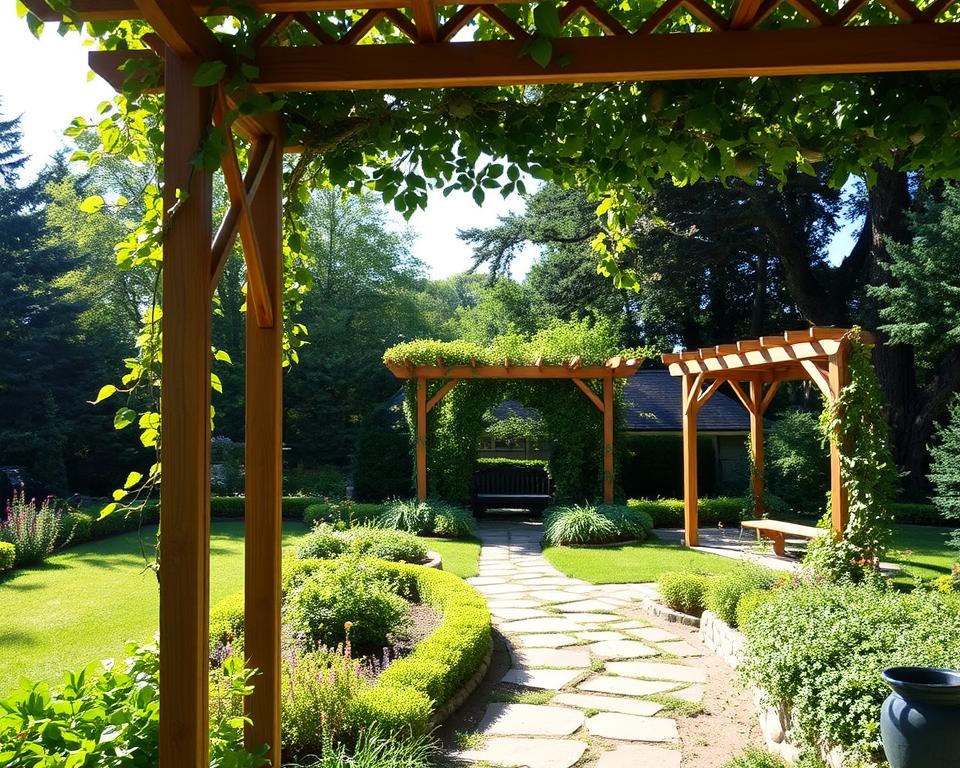
Garden pergolas and overhead garden structures offer elegant solutions for creating privacy and defining outdoor spaces. These versatile architectural elements transform ordinary gardens into intimate retreats, providing both visual screening and architectural interest.
Privacy arbours serve multiple purposes in landscape design. They can create secluded areas, support climbing plants, and add vertical dimension to garden layouts. Wooden structures work particularly well for creating natural-looking privacy screens that blend seamlessly with surrounding greenery.
- Wooden pergolas provide structural support for climbing roses and jasmine
- Metal overhead structures offer contemporary design options
- Slatted roofs enable partial shade and filtered sunlight
When selecting garden pergolas, consider materials that complement your existing landscape. Timber options include cedar, oak, and pressure-treated pine. Metal structures like aluminium or steel offer durability and modern aesthetics.
Customisation is key with overhead garden structures. Gardeners can enhance privacy by:
- Incorporating climbing plants
- Adding fabric canopies
- Installing lattice side panels
- Integrating outdoor curtains
Strategic placement of pergolas can transform garden spaces, creating intimate zones while maintaining an open, airy feel.
Water Features and Sound Barriers
Garden water features offer a sophisticated solution for creating tranquil outdoor spaces while addressing privacy concerns. These elegant installations not only enhance visual appeal but also serve as effective sound privacy barriers, transforming your garden into a peaceful sanctuary.
Water features provide a unique approach to garden design, combining aesthetic beauty with practical sound management. The gentle trickling of water can mask unwanted neighbourhood noise, creating an immersive and secluded environment.
Selecting the Right Water Feature
Choosing the perfect water feature requires careful consideration of several key factors:
- Garden size and available space
- Acoustic performance
- Maintenance requirements
- Aesthetic compatibility with existing landscape
Strategic Placement for Optimal Effect
Effective positioning of garden water features can maximise their sound privacy barrier potential. Consider these strategic locations:
- Near property boundaries
- Adjacent to seating areas
- Aligned with noise sources
Maintenance Requirements
| Water Feature Type | Cleaning Frequency | Seasonal Considerations |
|---|---|---|
| Fountain | Monthly | Winterise in cold months |
| Pond | Quarterly | Remove debris, manage algae |
| Waterfall | Bi-annually | Check pump and circulation |
Regular water feature maintenance ensures optimal performance and longevity of your sound privacy barriers. Consistent care prevents potential issues and maintains the aesthetic appeal of your garden sanctuary.
Decorative Screens and Panels
Garden privacy screens have transformed from simple barriers to artistic statements that elevate outdoor spaces. Decorative panels offer homeowners creative ways to establish intimate garden zones while adding visual intrigue to their landscapes.
Ornamental garden dividers come in diverse materials and styles, each bringing unique character to exterior environments. From intricate laser-cut metal designs to rustic wooden panels, these privacy solutions blend functionality with aesthetic appeal.
- Laser-cut metal screens with geometric patterns
- Wooden lattice panels with climbing plant potential
- Recycled material decorative panels
- Contemporary minimalist glass dividers
Selecting the right garden privacy screen depends on your specific landscape design and personal aesthetic preferences.
“Privacy screens are not just barriers; they’re canvases for expressing your garden’s unique personality.” – Garden Design Expert
When implementing garden privacy screens, consider factors like material durability, maintenance requirements, and how the panels complement existing landscape elements. Integrating planters or allowing space for climbing vegetation can transform these functional dividers into living art installations.
Professional installation ensures your decorative panels provide maximum privacy while maintaining structural integrity and visual appeal.
Lighting Solutions for Private Gardens
Garden privacy lighting transforms outdoor spaces into enchanting evening retreats. Thoughtful illumination not only enhances safety but creates magical atmospheres that extend your garden’s usability beyond daylight hours.
Strategic garden privacy lighting involves more than simply installing random fixtures. The goal is to craft an immersive evening garden ambiance that provides both functionality and aesthetic appeal.
Strategic Lighting Placement
Effective solar garden lights can define garden boundaries and create intimate zones. Consider these placement strategies:
- Illuminate pathway edges to define garden perimeters
- Use uplighting to highlight architectural plants
- Create soft wash lighting for seating areas
- Position lights to minimise glare and light pollution
Solar-Powered Options
Solar garden lights offer eco-friendly, cost-effective solutions for garden illumination. Modern designs range from minimalist stake lights to decorative lanterns, providing versatile options for every garden style.
Creating Evening Ambiance
Layered lighting techniques can transform your garden into a mesmerising nighttime sanctuary. Combine different light intensities and colours to create depth and intrigue. Soft, warm tones invite relaxation, while strategic shadows add mystery and depth to your outdoor space.
Conclusion
Designing private outdoor spaces requires creativity and strategic planning. Garden privacy solutions are not just about blocking views but creating a personalised garden design that reflects your lifestyle and aesthetic preferences. Each garden is unique, offering endless possibilities for transforming your exterior environment into a peaceful retreat.
By exploring diverse privacy techniques like natural screening, vertical gardens, decorative panels, and intelligent landscaping, you can develop a multi-layered approach to garden seclusion. The key is selecting methods that complement your specific space and personal requirements. Integrate plants, structures, and architectural elements to build a cohesive and inviting private sanctuary.
Remember that creating private outdoor spaces is an evolving process. Start with small interventions and gradually refine your design. Experiment with different materials, textures, and green solutions. Your garden should feel like an extension of your home—a tranquil space where you can relax, entertain, and connect with nature without compromising on privacy or style.
Whether you have a compact urban garden or a spacious rural landscape, thoughtful personalised garden design can transform your outdoor area into a secluded haven. Embrace your creativity, be patient with the process, and enjoy developing a garden that truly feels like your own private world.
FAQ
What are the most effective natural privacy solutions for my garden?
Hedges, evergreen trees, and tall ornamental grasses are excellent natural privacy solutions. Fast-growing options like Leylandii, bamboo, and laurel can quickly create dense green screens that not only provide privacy but also enhance your garden’s aesthetic appeal and biodiversity.
How can I create privacy without using traditional fencing?
Consider vertical gardens, living walls, decorative screens, and pergolas with climbing plants. These alternatives offer creative ways to establish privacy while adding visual interest and texture to your outdoor space. Layering different elements like plants, structures, and panels can create comprehensive privacy solutions.
What should I consider before installing garden privacy features?
Before implementing privacy solutions, assess your garden’s layout, local regulations, and neighbours’ proximity. Consider factors like sunlight exposure, maintenance requirements, and your specific privacy needs. Always check local planning guidelines to ensure your chosen privacy features comply with residential restrictions.
Are water features effective for creating garden privacy?
Water features can provide both visual screening and acoustic privacy. Fountains, waterfalls, and ponds can mask unwanted noise while creating a serene atmosphere. Strategically placed water elements can help define spaces and provide a sense of seclusion in your garden.
How can lighting improve garden privacy?
Strategic lighting can create visual barriers and define garden boundaries after dark. Use solar-powered lights, directional spotlights, and layered illumination to enhance privacy while creating an inviting evening ambiance. Carefully positioned lights can help obscure views and create intimate garden zones.
What are the best plants for vertical privacy screens?
Excellent plants for vertical privacy include jasmine, clematis, ivy, wisteria, and climbing roses. These plants can be trained on trellises, pergolas, or walls to create living screens. Consider factors like sunlight, growth rate, and maintenance when selecting your vertical garden plants.
How much does a garden privacy solution typically cost?
Costs vary widely depending on the solution. Natural options like hedge planting can start from £50-£200, while decorative screens might range from £100-£500. Professional installation of fencing or living walls can cost between £500-£2,000. DIY options can significantly reduce expenses.
Can I create garden privacy on a small budget?
Absolutely! Affordable privacy solutions include growing fast-growing plants, using bamboo screens, repurposing pallets for DIY screens, and strategic placement of potted plants. Climbing plants and temporary structures can also provide cost-effective privacy without major investment.