Do you ay council tax on log cabins?

Log cabins have become increasingly popular across the United Kingdom as versatile living spaces and recreational retreats. Understanding council tax obligations for these unique property structures is crucial for homeowners and property investors.
Navigating the complexities of property tax can be challenging, especially when it comes to log cabins. Property owners often wonder whether these charming wooden structures are subject to council tax regulations. The answer depends on several critical factors related to the cabin’s usage, location, and permanent status.
Council tax rules surrounding log cabins are nuanced and can vary depending on local authority interpretations. Potential log cabin owners must understand the specific criteria that determine their property tax liability to avoid unexpected financial obligations.
Inhaltsverzeichnis
Key Takeaways
- Council tax applies to log cabins under specific conditions
- Property classification determines tax liability
- Usage and permanence are critical factors
- Local authority guidelines differ across regions
- Professional consultation can clarify tax obligations
Understanding Council Tax and Property Classifications
Navigating the complexities of council tax requires a clear understanding of property assessment and classification. Local authorities use specific criteria to determine taxation for residential properties, ensuring a fair and systematic approach to local government funding.
Property assessment involves a detailed evaluation of residential spaces, considering multiple factors that influence council tax categories. The process is designed to create a comprehensive framework for property taxation.
Basic Property Assessment Criteria
The property assessment process relies on several key elements:
- Property size and layout
- Location and neighbourhood characteristics
- Structural features and amenities
- Current market valuation
How Properties Are Categorised for Council Tax
Council tax categories are structured into distinct bands, typically ranging from A to H. Each band represents a specific property value range, determining the tax liability for homeowners and occupants.
| Band | Property Value Range | Typical Tax Rate |
|---|---|---|
| A | Up to £40,000 | Lowest rate |
| H | Over £320,000 | Highest rate |
Legal Definitions of Dwellings
Dwelling definitions are crucial in determining council tax liability. A dwelling is legally defined as a self-contained living space with essential facilities for independent living. This includes permanent structures with kitchen, bathroom, and sleeping areas.
Understanding these classifications helps property owners navigate their tax obligations accurately.
Do You Pay Council Tax on Log Cabins?
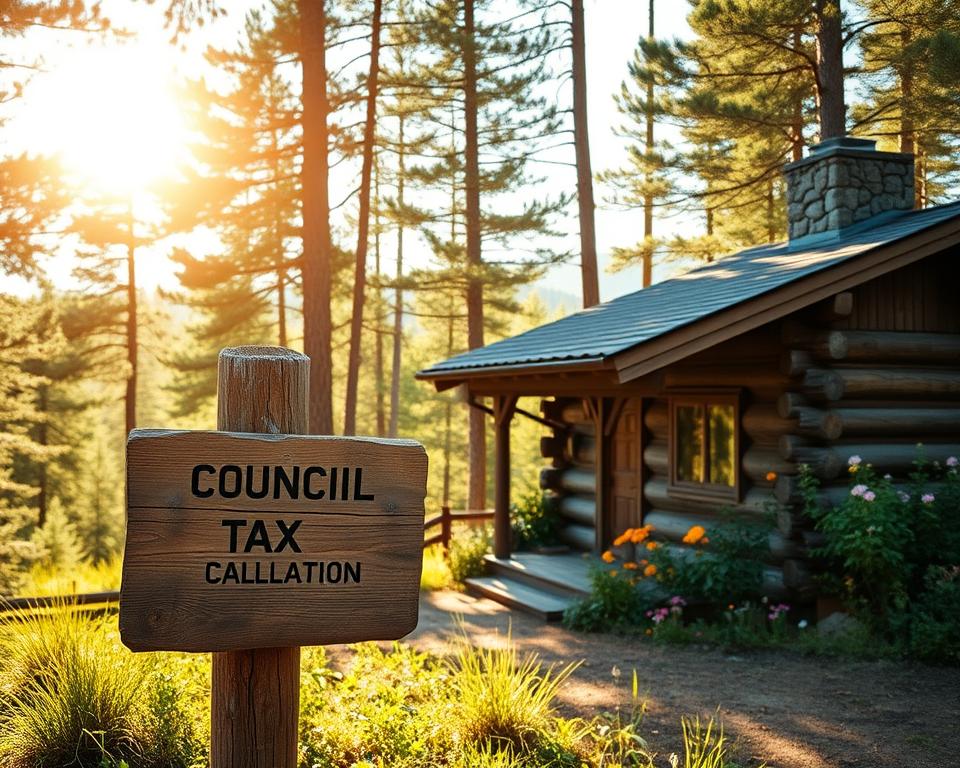
Navigating log cabin taxation can be complex for property owners. The council tax liability for log cabins depends on several critical factors that determine whether these charming structures are subject to local taxation.
Log cabins might incur council tax based on their specific characteristics and usage. The key considerations include:
- Whether the log cabin serves as a primary residence
- The cabin’s permanent or temporary status
- Size and residential facilities available
- Location relative to the main property
In most cases, log cabins that function as habitable dwellings will attract council tax liability. Local authorities assess these structures based on their potential for residential use, not just their physical presence on a property.
The critical question is: Can the log cabin be used as a genuine living space?
Homeowners should consult their local council to determine precise taxation requirements. Different municipalities might have unique guidelines for log cabin taxation, making individual assessment crucial.
Factors such as permanent utility connections, kitchen facilities, and bathroom installations significantly influence whether a log cabin will be classified as a taxable dwelling. Understanding these nuances helps property owners manage their council tax responsibilities effectively.
Factors Determining Council Tax Liability for Log Cabins
Navigating the complexities of council tax for log cabins requires a nuanced understanding of various critical factors. Property owners must carefully consider multiple elements that influence tax liability for their log cabin structures.
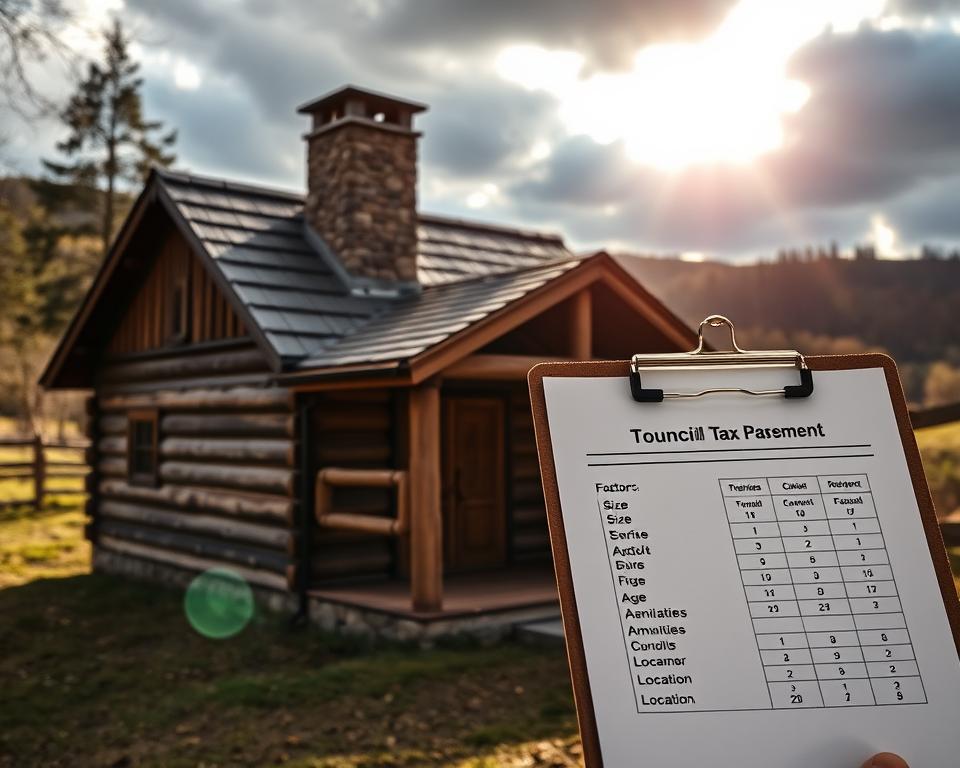
The log cabin status plays a pivotal role in determining tax responsibilities. Local authorities assess several key aspects when evaluating potential council tax requirements:
- Primary residential use
- Holiday home designation
- Permanent structure classification
- Size and facilities available
Primary Residence vs Holiday Home Status
Local councils distinguish between permanent residences and holiday homes when assessing tax obligations. A log cabin used as a primary residence will typically incur different tax requirements compared to a seasonal holiday home.
Permanent vs Temporary Structures
The classification of permanent structures significantly impacts council tax liability. Permanent log cabins with solid foundations and complete utility connections are more likely to be taxed differently from temporary or mobile structures.
Size and Facilities Considerations
Tax assessments closely examine the log cabin’s size and available facilities. Key factors include:
- Total floor area
- Presence of kitchen facilities
- Bathroom installations
- Permanent utility connections
Property owners should consult local council guidelines to understand specific tax implications for their log cabin’s unique characteristics. Each property receives individual assessment based on its specific circumstances.
Planning Permission Requirements for Log Cabins
Navigating log cabin planning permission can be a complex process for property owners. Understanding the building regulations is crucial before constructing or modifying a log cabin on your property.
In most cases, log cabin planning permission depends on several key factors:
- Location of the proposed log cabin
- Size and height of the structure
- Intended use of the log cabin
- Proximity to existing buildings
Permitted development rights often allow log cabins without formal planning permission, but specific conditions must be met. Typically, these include:
- The log cabin must be single-storey
- Maximum eaves height of 2.5 metres
- Maximum overall height of 4 metres with a pitched roof
- Located within the curtilage of an existing dwelling
Local authorities have unique building regulations that can significantly impact log cabin construction. Property owners should always consult their local planning department to confirm specific requirements for log cabin planning permission.
Professional tip: Documentation and precise measurements are key to a successful planning permission application.
Some log cabins might require full planning permission, especially if they will be used as permanent living spaces or exceed standard size limitations. Engaging with local planning experts can help streamline the approval process and ensure compliance with all relevant building regulations.
Council Tax Exemptions and Reductions for Log Cabins
Navigating the complexities of council tax for log cabins can be challenging. Property owners often find themselves wondering about potential tax exemptions and reduced rates that might apply to their unique structures. Understanding these nuanced classifications can help you save money and comply with local regulations.
Log cabin owners have several opportunities to minimise their tax liabilities through strategic classifications and specific use cases. The key is to understand how different factors impact your council tax assessment.
Seasonal Use Exemptions
Seasonal log cabins may qualify for special tax exemptions. Local authorities often provide reduced rates for properties that are not used as primary residences. These tax exemptions can significantly lower your annual council tax burden.
- Unoccupied holiday homes might receive partial tax relief
- Seasonal rental properties could have different tax classifications
- Temporary structures may attract lower tax rates
Business Use Classifications
Log cabins used for business purposes can trigger unique tax considerations. Depending on the nature of your business use, you might be eligible for specific tax reductions or alternative assessment methods.
- Home office setups might qualify for business use rates
- Commercial rental spaces could have different tax treatments
- Consultation spaces may receive specialised tax assessments
Special Circumstances for Reduced Rates
Certain scenarios can lead to substantial reductions in council tax for log cabin owners. Careful documentation and understanding of local regulations are crucial in securing these beneficial tax rates.
- Accessibility modifications might trigger tax relief
- Energy-efficient improvements could qualify for reduced rates
- Properties in specific development zones may receive special consideration
Always consult with local council tax authorities to understand the precise exemptions and reduced rates applicable to your specific log cabin situation.
Legal Obligations When Converting Log Cabins to Living Spaces
Converting a log cabin into a residential space involves navigating complex legal requirements. Property owners must carefully consider several crucial aspects before transforming their log cabin for residential use.
- Obtaining proper planning permissions
- Ensuring building regulation compliance
- Verifying zoning restrictions
- Checking local authority guidelines
The process of residential log cabin conversion requires meticulous attention to detail. Local councils typically assess several critical factors:
- Structural integrity of the existing log cabin
- Utilities and infrastructure capabilities
- Potential impact on surrounding properties
- Environmental considerations
Homeowners must submit detailed documentation demonstrating that their log cabin meets residential use standards. This typically involves architectural plans, structural surveys, and evidence of compliance with building regulations.
Professional advice can help navigate the complex legal landscape of log cabin conversions.
Potential challenges in log cabin conversion include meeting insulation requirements, installing appropriate drainage systems, and ensuring electrical and plumbing infrastructure meets residential standards. Consulting with local planning authorities early in the process can prevent costly mistakes and legal complications.
Impact of Log Cabin Location on Council Tax Assessment
The location of a log cabin plays a crucial role in determining its council tax liability. Property owners must understand how garden buildings and separate plots can significantly influence tax assessments.
When considering the tax implications of log cabins, several key factors come into play. The positioning of garden buildings relative to the main property can create complex tax scenarios that homeowners need to navigate carefully.
Garden Buildings and Tax Considerations
Log cabins situated within garden spaces often receive different tax treatment compared to separate plots. Local councils evaluate these structures based on specific criteria:
- Proximity to the main residential property
- Permanent vs temporary structure status
- Primary use of the garden building
Property Distance and Tax Liability
The distance between a log cabin and the main property can dramatically impact its council tax assessment. Separate plots typically face more rigorous tax evaluations, with potential implications for:
- Potential additional property taxation
- Separate dwelling classifications
- Planning permission requirements
Homeowners should carefully document the precise location and intended use of their log cabin to ensure accurate tax reporting.
Understanding the nuanced relationship between property location and tax assessment can save significant financial complications in the long term.
Common Misconceptions About Log Cabins and Council Tax
Navigating log cabin regulations can be tricky, especially when it comes to property assessments and tax myths. Homeowners often find themselves confused about the nuanced rules surrounding log cabins and council tax.
Several widespread misconceptions can lead to unexpected financial challenges. Let’s explore the most common tax myths related to log cabin ownership:
- All log cabins are automatically taxed the same way
- Planning permission doesn’t impact council tax calculations
- Temporary structures are exempt from property assessments
- Log cabins in gardens are always considered secondary properties
The reality is far more complex. Log cabin regulations vary significantly depending on several key factors. Local authorities assess each property individually, considering aspects like:
- Permanent vs temporary structure status
- Primary residence or secondary dwelling classification
- Size and permanent facilities
- Intended use of the log cabin
Understanding these nuances can save homeowners from unexpected tax bills and legal complications.
Property assessments are not one-size-fits-all. Each log cabin’s unique characteristics play a crucial role in determining its tax liability. Consulting local council guidelines and seeking professional advice can help clarify specific circumstances.
Conclusion
Understanding council tax responsibilities for log cabins can be complex. Log cabin ownership involves careful consideration of various tax implications depending on the property’s use, location, and specific characteristics. Property owners must assess their log cabin’s status carefully to ensure compliance with local tax regulations.
The key to managing council tax for log cabins lies in understanding the nuanced factors that determine tax liability. Whether your log cabin serves as a primary residence, holiday home, or additional property, each classification carries distinct tax responsibilities. Homeowners should conduct thorough research and potentially consult local tax authorities to clarify their specific situation.
Professional advice is crucial when dealing with log cabin tax assessments. Local council guidelines can vary significantly, making it essential to gather precise information about your property’s classification. By staying informed and proactive, log cabin owners can effectively manage their tax obligations and avoid potential legal complications.
Ultimately, successful log cabin ownership requires a comprehensive approach to tax responsibilities. Careful documentation, understanding of local regulations, and willingness to seek expert guidance will help property owners navigate the intricate landscape of council tax with confidence.
FAQ
Do I need to pay council tax on a log cabin in my garden?
Whether you need to pay council tax depends on several factors, including the primary use of the log cabin, its permanent status, and whether it’s used as a living space or for occasional purposes.
How do I determine if my log cabin is liable for council tax?
Council tax liability is assessed based on the cabin’s classification as a dwelling, which considers factors such as permanent residence status, facilities, size, and whether it’s used as a primary or secondary home.
Are there any exemptions for log cabins used as occasional spaces?
Seasonal use and specific circumstances may qualify for exemptions or reduced rates. Holiday homes, garden offices, and temporary structures might have different tax implications compared to permanent residential spaces.
What planning permissions might affect my log cabin’s council tax status?
Planning permission is crucial in determining your log cabin’s tax liability. Structures with full planning permission and those meeting building regulations are more likely to be assessed for council tax.
How does the location of my log cabin impact council tax?
The location matters significantly – whether the log cabin is in a garden, on a separate plot, or close to the main property can influence its tax assessment and potential liability.
Can I convert my log cabin into a living space without tax implications?
Converting a log cabin requires careful consideration of legal obligations and potential changes to your council tax status. You’ll need to ensure compliance with local regulations and inform the local council of any significant changes.
Are log cabins used for business purposes treated differently for council tax?
Business use classifications can significantly impact how your log cabin is assessed for council tax. Purely business-focused structures may be treated differently from residential or mixed-use spaces.
What documentation do I need to prove my log cabin’s tax status?
You’ll typically need proof of use, planning permissions, building regulations compliance, and documentation showing the cabin’s primary purpose to support its council tax classification.
How can I minimise my council tax liability for a log cabin?
Consider factors like seasonal use, specific exemptions, and carefully documenting the cabin’s primary purpose. Consulting with local council tax authorities can help you understand potential reductions.
What happens if I don’t declare my log cabin for council tax?
Failing to declare a log cabin that should be assessed for council tax can result in potential penalties and backdated tax charges. It’s always best to be transparent with local authorities about your property status.