Can You Legally Live in a Log Cabin Permanently?
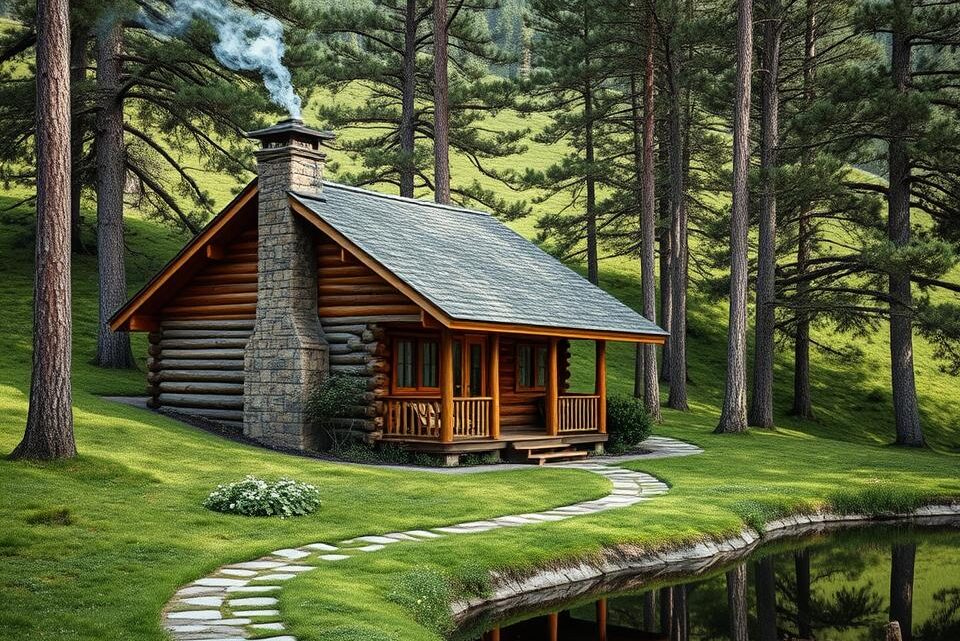
Exploring permanent log cabin living in the United Kingdom has become an increasingly attractive alternative housing option for many residents seeking a unique lifestyle. The dream of residing in a charming wooden structure nestled in picturesque landscapes comes with complex legal requirements and UK housing regulations that potential homeowners must carefully navigate.
Log cabin living presents an exciting opportunity for those wanting to break away from traditional housing models. Prospective residents need to understand the intricate legal frameworks surrounding permanent log cabin residences, which involve multiple considerations such as planning permissions, building regulations, and land use classifications.
While the appeal of a log cabin home is undeniable, transforming this vision into a legally compliant permanent residence requires thorough research and strategic planning. Property owners must comprehensively examine local regulations, structural standards, and utility infrastructure to ensure their log cabin meets all necessary legal requirements.
Inhaltsverzeichnis
Key Takeaways
- Permanent log cabin living requires comprehensive legal understanding
- UK housing regulations significantly impact log cabin residency
- Planning permission is crucial for establishing a legal log cabin home
- Structural compliance remains essential for permanent residence
- Utility connections and infrastructure play a critical role
Understanding Log Cabin Living in the UK
Navigating the world of log cabin living in the United Kingdom requires a comprehensive understanding of housing regulations, structure types, and legal classifications. The unique charm of log cabins presents an attractive alternative to traditional housing, but potential residents must carefully consider various aspects of permanent residence.
Log cabin types in the UK vary widely, each with distinct characteristics and potential for permanent residence. Property owners and enthusiasts need to understand the nuanced legal framework surrounding these structures.
Defining a Permanent Log Cabin Residence
A permanent residence in UK housing laws is not simply about the structure itself, but involves several critical factors:
- Permanent foundation and structural integrity
- Compliance with local planning regulations
- Adequate utility connections
- Meeting building safety standards
Diverse Log Cabin Structures
The UK recognises multiple log cabin types, each with unique characteristics:
- Modular Log Cabins: Factory-built structures transported to a site
- Traditional Timber-Frame Cabins: Constructed on-site using classic techniques
- Prefabricated Log Homes: Pre-engineered structures with rapid assembly
Legal Classifications of Log Cabins
UK housing laws categorise log cabins through specific legal frameworks. These classifications determine their potential for permanent residential use, considering factors like land ownership, building permissions, and structural compliance.
Understanding these legal nuances is crucial for anyone considering a log cabin as a permanent residence.
Planning Permission Requirements for Permanent Log Cabin Homes
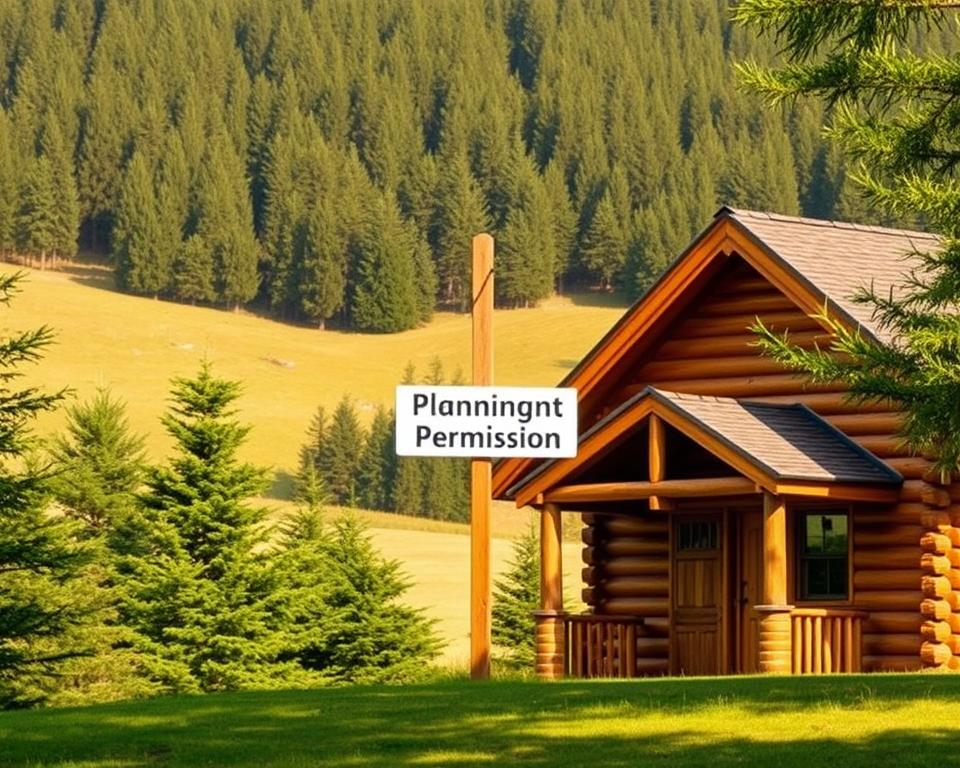
Navigating the planning permission landscape for permanent log cabin homes can seem daunting. Local authorities have specific development regulations that govern residential structures, particularly for unconventional housing like log cabins.
When seeking planning permission, homeowners must understand several key considerations:
- Zoning restrictions in your specific area
- Size and footprint of the proposed log cabin
- Proximity to existing structures
- Environmental impact assessments
The process typically involves submitting detailed documentation to local planning departments. This includes:
- Comprehensive site plans
- Architectural drawings
- Proof of land ownership
- Detailed construction specifications
| Permission Type | Key Requirements | Typical Processing Time |
|---|---|---|
| Full Planning Permission | Comprehensive structural details | 8-13 weeks |
| Permitted Development | Limited size and location constraints | 4-6 weeks |
Local authorities assess each application individually, considering factors like visual amenity, neighbourhood character, and potential environmental implications. Successful applications demonstrate careful planning and compliance with development regulations.
Pro tip: Consult with local planning officers early in your process to understand specific requirements for your area.
Understanding these planning permission nuances can transform your log cabin dream into a realistic residential option.
Building Regulations and Compliance for Log Cabins
Navigating the complex world of building regulations is crucial for anyone considering a permanent log cabin home in the UK. Understanding these guidelines ensures your dream dwelling meets critical safety, structural, and energy efficiency standards.
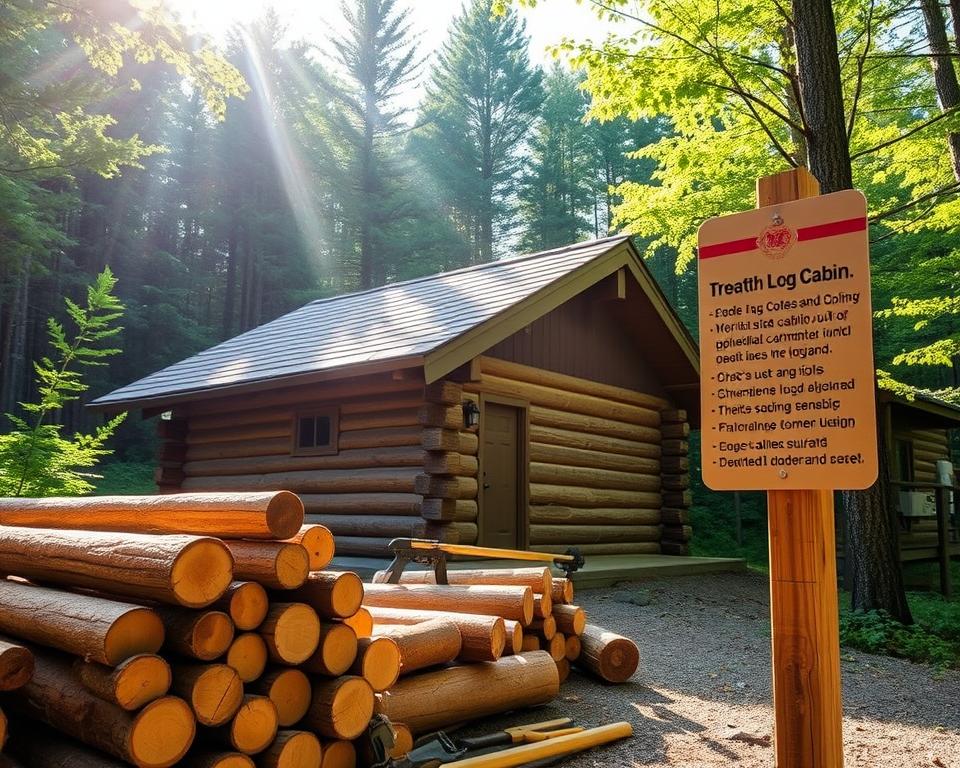
Log cabin construction requires meticulous attention to building regulations that protect homeowners and guarantee long-term structural integrity. These comprehensive guidelines cover multiple aspects of residential development.
Structural Requirements
Structural integrity forms the foundation of log cabin safety. Key considerations include:
- Foundation strength and stability
- Timber quality and treatment
- Load-bearing capacity
- Resistance to environmental challenges
Safety Standards and Certifications
Safety standards play a pivotal role in log cabin construction. Homeowners must ensure their structures comply with:
- British Standards Institution (BSI) regulations
- Fire safety requirements
- Electrical installation standards
- Structural engineering certifications
Energy Efficiency Guidelines
Modern log cabins must meet stringent energy efficiency guidelines. This involves:
- Proper insulation techniques
- Thermal performance assessments
- Sustainable material selections
- Minimising heat loss
Adhering to these building regulations ensures your log cabin is not just a beautiful dwelling, but a safe, efficient, and legally compliant home.
Can You Legally Live in a Log Cabin Permanently?
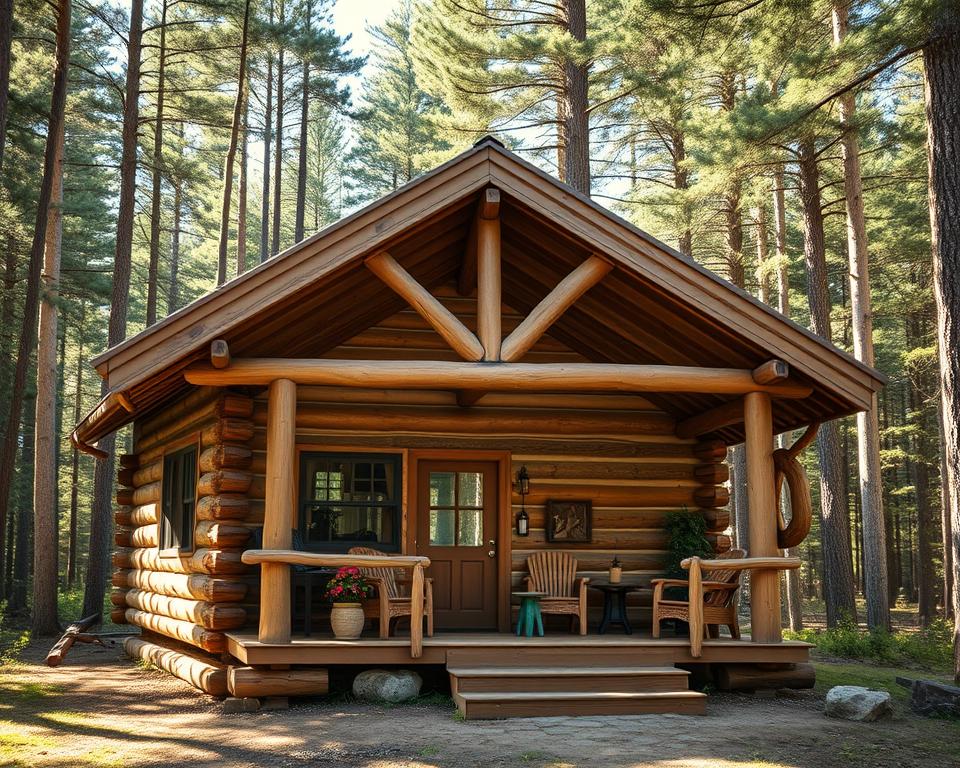
Navigating the legal landscape of log cabin living in the UK requires careful consideration of several critical factors. The possibility of establishing a legal permanent residence in a log cabin depends on multiple regulatory aspects related to UK housing regulations.
To achieve legal permanent residence in a log cabin, homeowners must address key requirements:
- Obtain proper planning permission from local authorities
- Comply with building regulations and safety standards
- Ensure the log cabin meets structural integrity guidelines
- Secure necessary utility connections
Log cabin living laws in the UK are intricate and vary depending on location and specific property characteristics. Local councils typically evaluate each log cabin residence individually, assessing factors such as:
- Land classification
- Intended usage
- Permanent foundation requirements
- Environmental impact
Professional advice from local planning experts is crucial to understand the specific legal parameters governing your log cabin residence. Some regions have more flexible regulations, while others impose strict constraints on permanent log cabin living.
Successful log cabin permanent residence hinges on meticulous legal preparation and understanding local housing regulations.
Potential log cabin residents must proactively engage with local planning departments, demonstrating that their proposed dwelling meets all necessary legal permanent residence criteria.
Land Ownership and Property Rights for Log Cabins
Navigating the legal landscape of land ownership for log cabins requires careful understanding of property rights and legal frameworks. Potential log cabin owners must grasp the nuanced details of property ownership to make informed decisions about their dream retreat.
Freehold vs Leasehold Property Dynamics
Understanding property rights begins with distinguishing between freehold and leasehold arrangements. Freehold ownership provides complete control over both the land and structure, offering maximum flexibility for log cabin proprietors. Leasehold properties, conversely, involve temporal limitations and potential additional restrictions.
- Freehold: Absolute ownership of land and property
- Leasehold: Temporary ownership with specific contractual terms
- Duration limitations on leasehold properties
Land Use Classifications
Local authorities establish specific land use classifications that directly impact log cabin development. These regulations determine permissible structures, potential modifications, and overall land utilisation.
| Classification | Restrictions | Potential Log Cabin Usage |
|---|---|---|
| Agricultural Land | Limited residential development | Potential with planning permission |
| Residential Zone | Flexible building regulations | Highly suitable for permanent residence |
| Rural Exception Sites | Specific community housing guidelines | Restricted but possible |
Boundary Restrictions
Precise boundary definitions are crucial in log cabin land ownership. Property lines, easements, and right-of-way provisions can significantly impact your log cabin’s placement and potential expansions.
- Verify exact property boundaries
- Check for potential easement restrictions
- Understand local zoning regulations
Consulting local planning authorities and legal professionals specialising in property rights remains the most reliable approach to navigating these complex ownership considerations.
Essential Utilities and Services for Permanent Log Cabin Living
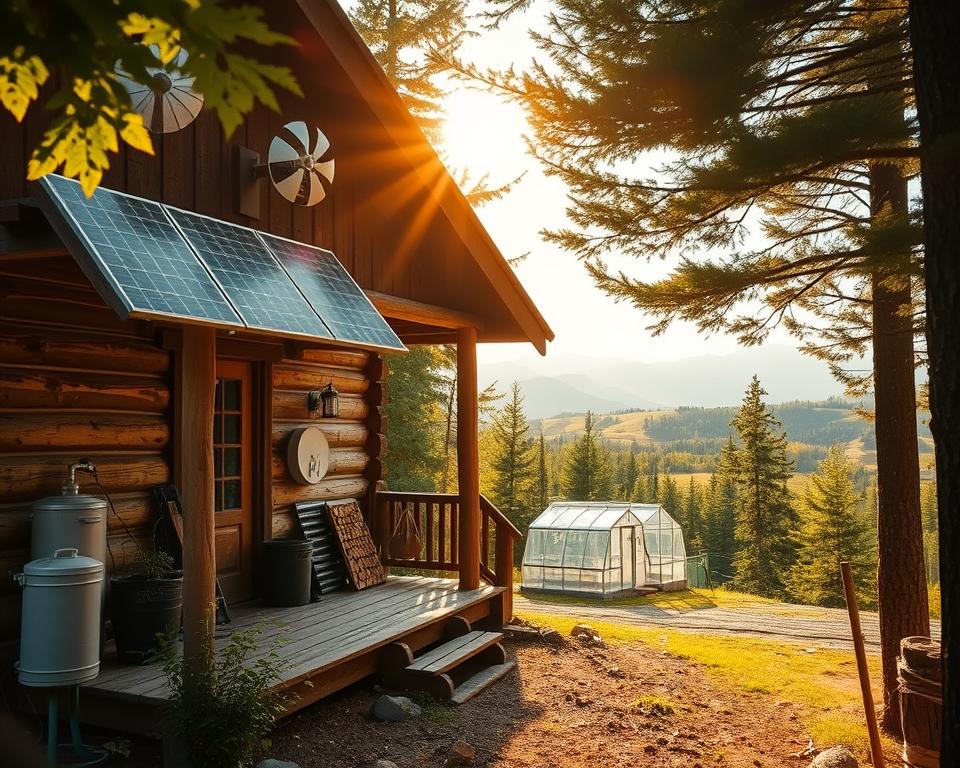
Living in a log cabin permanently requires careful planning of utilities and services. The right approach to off-grid living can transform your woodland retreat into a comfortable, self-sufficient home.
Electricity presents multiple options for log cabin dwellers. Solar panels offer a renewable solution, while wind turbines provide another sustainable energy source. Some residents opt for generator systems as a reliable backup.
- Solar power installations
- Wind energy systems
- Backup generator setups
- Battery storage solutions
Water supply is crucial for off-grid living. Rainwater harvesting systems and private boreholes are popular choices for log cabin utilities. These methods ensure a consistent water supply without relying on municipal services.
| Utility Type | Off-Grid Solution | Estimated Cost |
|---|---|---|
| Electricity | Solar Panel System | £5,000 – £15,000 |
| Water | Rainwater Harvesting | £2,000 – £5,000 |
| Sewage | Composting Toilet | £1,000 – £3,000 |
Internet connectivity has become essential for modern off-grid living. Satellite internet and mobile broadband provide reliable solutions for remote log cabin locations, ensuring you stay connected with the world.
“The key to successful log cabin living is embracing self-sufficiency while maintaining modern comforts.”
Waste management requires innovative approaches. Composting toilets and greywater recycling systems offer environmentally friendly alternatives to traditional utilities, reducing your ecological footprint.
Insurance and Legal Protection for Log Cabin Homes
Protecting your log cabin investment requires comprehensive insurance and legal safeguards. Understanding the nuanced aspects of log cabin insurance can shield homeowners from potential financial risks and unexpected challenges.
Navigating the complexities of property documentation and legal protection is crucial for log cabin owners. The right insurance strategy ensures your unique property remains secure against various potential risks.
Property Insurance Requirements
Log cabin insurance differs significantly from standard home insurance. Specialised policies consider unique structural characteristics and potential environmental vulnerabilities.
- Structural damage coverage
- Timber-specific protection plans
- Weather-related risk assessments
- Replacement cost evaluations
Liability Considerations
Legal protection extends beyond property damage. Comprehensive insurance must address potential liability issues that could arise from log cabin ownership.
| Liability Type | Coverage Details |
|---|---|
| Personal Injury | Protects against visitor accidents |
| Property Damage | Covers third-party property damage |
| Legal Expenses | Supports potential legal proceedings |
Legal Documentation Needed
Proper property documentation serves as the foundation of robust legal protection. Homeowners should maintain comprehensive records of their log cabin’s:
- Original construction plans
- Structural modifications
- Land ownership certificates
- Insurance policy details
Consulting with specialised log cabin insurance providers can help ensure your property receives tailored protection matching its unique characteristics.
Environmental Impact and Sustainability Factors
Log cabin living offers a unique opportunity to embrace eco-friendly living while minimising environmental impact. Sustainable housing has become increasingly important in the United Kingdom, with more individuals seeking environmentally conscious housing solutions.
The environmental regulations surrounding log cabin construction focus on several critical aspects:
- Sustainable timber sourcing from certified forests
- Energy-efficient building techniques
- Reduced carbon footprint compared to traditional construction
- Natural insulation properties
Responsible log cabin design integrates seamlessly with environmental protection goals. Careful material selection plays a crucial role in creating sustainable housing that respects ecological balance.
Key environmental considerations include:
- Minimising woodland disruption during construction
- Using locally sourced materials
- Implementing renewable energy systems
- Designing for long-term energy efficiency
Sustainable living is not just a choice – it’s a commitment to protecting our natural environment.
Modern log cabins can significantly reduce environmental impact through innovative design and eco-friendly technologies. From solar panel integration to rainwater harvesting systems, these homes represent a forward-thinking approach to sustainable living in the UK.
Common Legal Challenges and How to Overcome Them
Navigating legal issues surrounding permanent log cabin living can be complex. Property owners often encounter unique challenges that require careful problem-solving and expert advice to resolve effectively.
Several key legal challenges frequently emerge for log cabin residents:
- Planning permission complications
- Utility connection restrictions
- Building regulation compliance
- Land use classification disputes
Addressing these challenges requires a strategic approach. Professional legal consultation becomes crucial in understanding local regulations and potential solutions.
| Legal Challenge | Recommended Action | Potential Outcome |
|---|---|---|
| Planning Permission Denial | Consult Local Planning Authority | Revised Application Strategy |
| Utility Connection Issues | Engage Utility Compliance Experts | Alternative Connection Solutions |
| Building Regulation Non-Compliance | Seek Architectural Guidance | Structural Modifications |
Proactive research and seeking specialised legal advice can significantly mitigate potential obstacles. Local councils and property law specialists understand the nuanced requirements for log cabin residences.
Understanding local regulations is key to successful log cabin living.
Residents should maintain detailed documentation, engage with local authorities transparently, and be prepared to adapt their plans based on expert guidance. This approach transforms potential legal challenges into manageable opportunities for log cabin homeownership.
Conclusion
Permanent log cabin living presents an exciting alternative to traditional housing in the United Kingdom. The journey involves carefully navigating legal considerations and understanding the complexities of UK housing options. Potential log cabin residents must invest time in researching local planning regulations, building compliance, and utility requirements.
Property owners interested in permanent log cabin living should prioritise comprehensive research and professional guidance. Each local council may have unique approaches to log cabin residences, making it crucial to engage with local planning authorities and seek expert legal advice. The sustainability and environmental impact of log cabin homes can be significant advantages in modern housing choices.
While challenges exist, the potential for creating a unique, personalised living space remains compelling. Successful permanent log cabin living demands meticulous preparation, understanding of legal frameworks, and a proactive approach to meeting regulatory standards. Prospective residents should view this housing option as an investment in both lifestyle and property, carefully weighing the opportunities against potential obstacles.
Ultimately, permanent log cabin living in the UK is achievable with proper planning, professional support, and a clear understanding of the legal landscape. By approaching the process methodically and remaining informed, individuals can transform their log cabin dream into a sustainable and legally compliant reality.
FAQ
What legal considerations are there for living permanently in a log cabin in the UK?
Living permanently in a log cabin requires careful navigation of planning permissions, building regulations, and land use classifications. You’ll need to obtain proper approvals from local authorities, ensure the cabin meets structural and safety standards, and verify that the land is suitable for permanent residential use.
Do I need planning permission to live in a log cabin?
Yes, in most cases, you will need planning permission from your local council. The requirements depend on factors such as the cabin’s size, location, intended use, and proximity to existing structures. Permitted development rights can vary, so it’s crucial to consult with local planning authorities before establishing a permanent residence.
What building regulations apply to log cabins used as permanent homes?
Log cabins must comply with UK building regulations covering structural integrity, fire safety, thermal efficiency, and electrical installations. This includes meeting specific standards for insulation, ventilation, damp-proofing, and overall construction quality to ensure the dwelling is safe and habitable.
Can I place a log cabin on any type of land?
Not all land is suitable for permanent log cabin living. You’ll need to consider land ownership, property rights, and land use classifications. Factors like freehold vs leasehold status, zoning regulations, and potential boundary restrictions will impact your ability to establish a permanent residence.
What utilities do I need to consider for a permanent log cabin?
Essential utilities include electricity, water supply, sewage systems, and internet connectivity. You’ll need to explore both on-grid and off-grid solutions, which may involve installing solar panels, water filtration systems, septic tanks, or connecting to existing municipal services.
How do I ensure my log cabin meets insurance requirements?
Obtain specialist residential log cabin insurance that covers unique aspects of alternative housing. This typically involves providing detailed documentation about the cabin’s construction, location, and compliance with building regulations. You’ll need to demonstrate the property meets safety and structural standards.
Are there environmental considerations for log cabin living?
Sustainability is crucial when establishing a log cabin home. Consider eco-friendly materials, energy-efficient design, minimal environmental impact, and compliance with local environmental regulations. Many log cabins offer excellent opportunities for sustainable living through thoughtful design and construction.
What are the most common legal challenges with permanent log cabin residences?
Common challenges include obtaining planning permission, meeting building regulations, resolving land use disputes, and ensuring proper utility connections. Potential obstacles involve local council restrictions, zoning laws, and demonstrating the cabin meets all legal requirements for a permanent dwelling.
How much does it typically cost to legally establish a log cabin as a permanent home?
Costs vary widely depending on location, cabin size, and specific requirements. Expenses typically include land purchase, planning permission fees, construction or installation, utility connections, and meeting building regulation standards. Budget between £50,000 to £250,000 for a fully compliant permanent log cabin residence.
Can I convert an existing log cabin into a permanent home?
Converting an existing log cabin requires careful assessment of its current status and potential modifications. You’ll need to evaluate structural integrity, obtain necessary planning permissions, and ensure the cabin meets all building regulations for permanent residential use. Professional architectural and legal advice is recommended.