Which Decking is Better: Wood or WPC (Wood-Plastic Composite)?
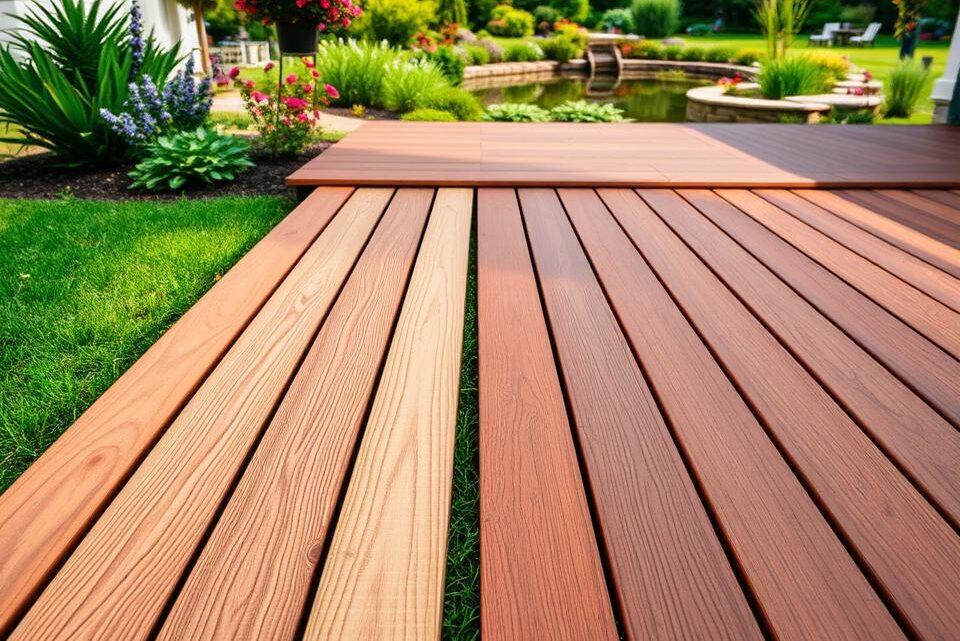
Selecting the perfect decking materials can be a challenging decision for UK homeowners. The debate between traditional wood decking and modern wood-plastic composite (WPC) decking continues to spark discussion among garden design enthusiasts and property owners.
Homeowners face multiple considerations when choosing decking options. Wood decking offers classic natural beauty, while composite decking presents innovative technological solutions. Each material brings unique characteristics that impact durability, maintenance, aesthetic appeal, and long-term investment potential.
Understanding the nuanced differences between wood and WPC decking requires a comprehensive exploration of their performance, cost-effectiveness, and practical applications in the British climate. This guide will provide an in-depth analysis to help you make an informed decision about your outdoor living spaces.
Inhaltsverzeichnis
Key Takeaways
- Decking materials significantly impact outdoor space functionality
- Wood and WPC offer distinct advantages and challenges
- Climate considerations are crucial in material selection
- Long-term maintenance costs vary between wood and composite options
- Aesthetic preferences play a substantial role in decking choices
Understanding Traditional Wood Decking Materials
Wood decking remains a timeless choice for outdoor spaces, offering natural beauty and unique character to gardens and patios across the United Kingdom. The world of wood decking encompasses a rich variety of materials, each with distinctive natural wood properties that can transform an ordinary outdoor area into a stunning landscape feature.
Selecting the right decking material involves understanding the nuanced differences between softwood decking and hardwood decking options. Each type brings its own set of characteristics, aesthetic appeal, and practical considerations.
Softwood Decking Varieties
Softwood decking provides an affordable and versatile solution for homeowners. Key softwood options include:
- Pine: Lightweight and budget-friendly
- Cedar: Natural resistance to decay
- Larch: Durability with attractive grain patterns
Hardwood Decking Selections
Hardwood decking represents a premium choice for those seeking exceptional durability and luxurious appearance. Popular hardwood varieties include:
- Oak: Classic, robust timber with rich colouration
- Ipe: Extremely dense tropical hardwood
- Teak: Naturally oil-rich with superior weather resistance
Natural Wood Characteristics
Understanding natural wood properties helps homeowners make informed decking decisions. Wood typically exhibits:
- Unique grain patterns
- Colour variations depending on species
- Natural thermal insulation
- Ability to age gracefully
Each wooden deck tells a story, reflecting the beauty and resilience of natural materials.
Introduction to WPC Decking Technology
Wood-plastic composite (WPC) technology represents a revolutionary approach to decking materials, blending the natural aesthetic of wood with the durability of synthetic materials. This innovative solution has rapidly gained popularity across the UK’s outdoor living spaces.
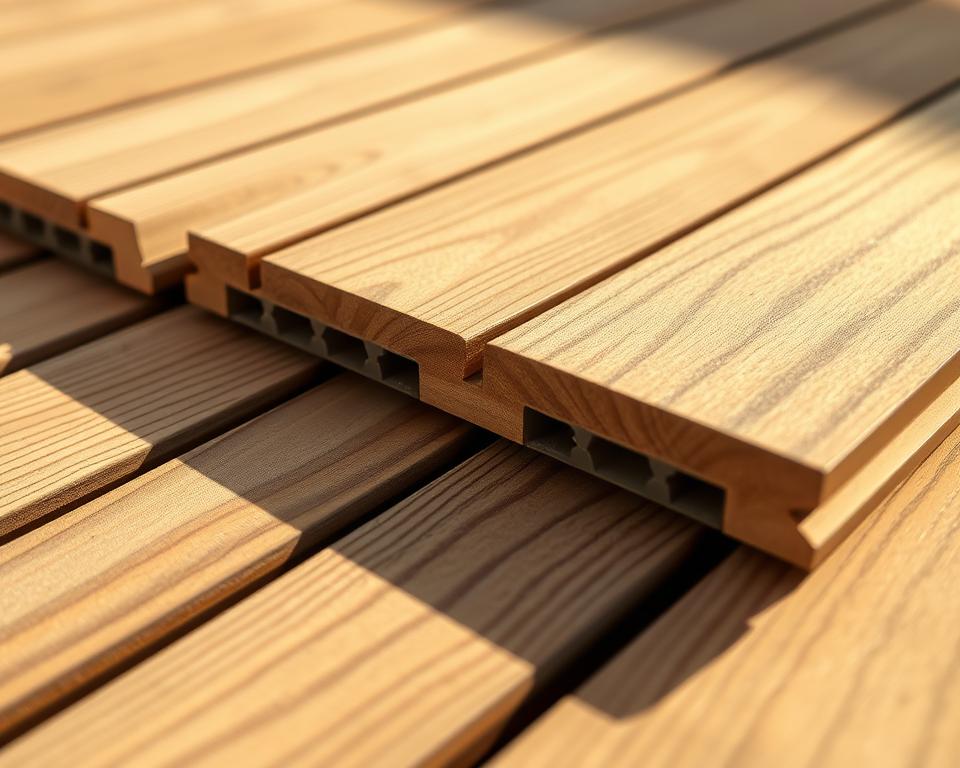
The core of WPC technology lies in its unique composition. Manufacturers combine wood fibres with recycled plastics to create a robust composite decking material that outperforms traditional wooden decking in numerous aspects.
- Combines natural wood aesthetics with plastic durability
- Utilises recycled materials in production
- Offers enhanced resistance to weathering
- Reduces environmental impact
Developed as an eco-friendly alternative, composite decking materials provide homeowners with a sustainable option that doesn’t compromise on performance. The manufacturing process involves carefully mixing wood fibres, typically sourced from sawdust or wood waste, with high-density polyethylene plastics.
“WPC technology transforms waste materials into elegant, long-lasting decking solutions,” says sustainable design expert Rachel Green.
The evolution of WPC technology has been remarkable. What began as an experimental material has now become a preferred choice for discerning UK homeowners seeking low-maintenance, aesthetically pleasing outdoor spaces.
| Characteristic | Traditional Wood | WPC Decking |
|---|---|---|
| Maintenance | High | Low |
| Durability | Moderate | High |
| Moisture Resistance | Poor | Excellent |
For UK homeowners considering decking options, WPC technology offers an intelligent solution that balances aesthetic appeal, durability, and environmental responsibility.
Cost Comparison: Wood vs WPC Decking
Selecting the right decking material involves carefully weighing decking costs and long-term financial implications. Homeowners face a critical decision between traditional wood and modern wood-plastic composite (WPC) decking, with each option presenting unique installation expenses and maintenance considerations.
Initial Installation Expenses
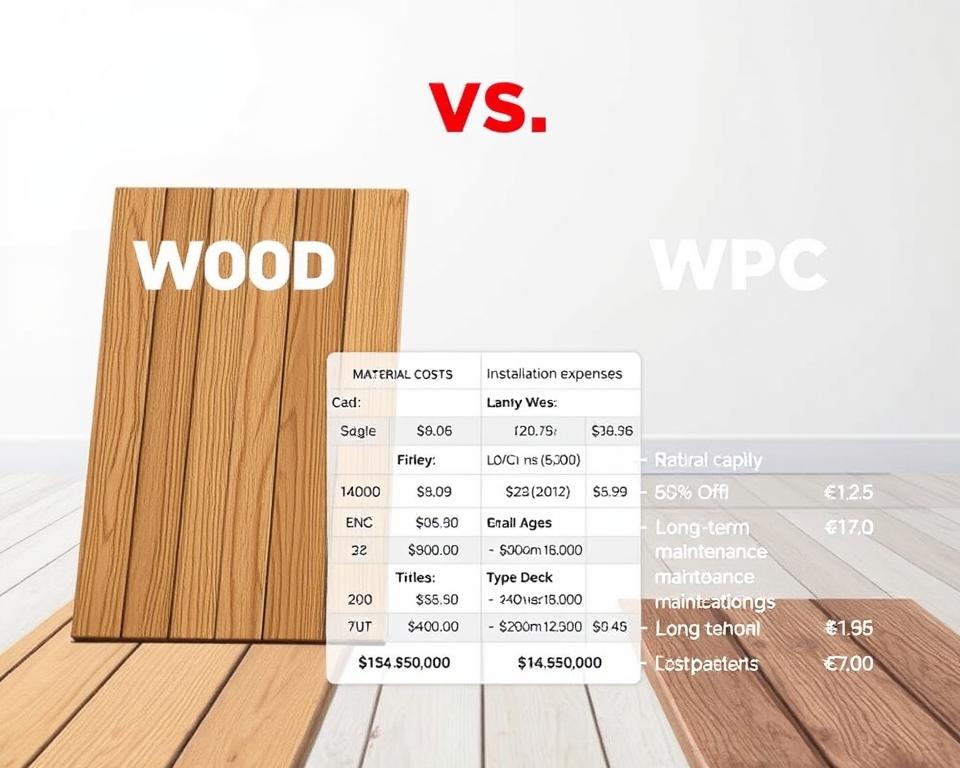
When evaluating installation expenses, wood decking typically offers a lower upfront cost. Traditional softwood options like pine can range from £50-£100 per square metre, while hardwood alternatives might reach £150-£250 per square metre.
- Softwood decking: £50-£100/m²
- Hardwood decking: £150-£250/m²
- WPC decking: £100-£200/m²
Long-term Maintenance Costs
Maintenance costs dramatically impact the overall ROI of decking materials. Wood requires regular treatments, including annual staining, sealing, and potential repairs. WPC decking demands minimal upkeep, reducing long-term expenses.
“Investing in low-maintenance decking can save significant time and money over the product’s lifespan.” – UK Decking Association
Return on Investment Analysis
A comprehensive ROI analysis reveals that while initial WPC installation expenses are slightly higher, reduced maintenance and longer lifespan often make it more economical. WPC decking can last 25-30 years with minimal intervention, compared to 10-15 years for traditional wood.
Homeowners should consider not just immediate decking costs but the total lifecycle expense when making their selection.
Durability and Lifespan Expectations
When selecting decking materials, understanding decking durability becomes crucial for homeowners. Different materials offer varying levels of performance against wear and tear, weather resistance, and overall lifespan.
Wood and wood-plastic composite (WPC) decking present distinct characteristics in long-term performance. Natural wood typically experiences more significant challenges with environmental exposure, whereas WPC demonstrates superior resilience.
- Softwood decking: 10-15 years average lifespan
- Hardwood decking: 20-25 years potential duration
- WPC decking: 25-30 years expected performance
Weather resistance plays a pivotal role in determining decking longevity. Ultraviolet radiation, moisture, and temperature fluctuations significantly impact material degradation. WPC decking provides enhanced protection against these environmental stressors.
Key factors influencing decking durability include:
- Material composition
- Installation quality
- Regular maintenance
- Environmental conditions
Homeowners seeking long-lasting outdoor spaces should carefully evaluate these performance metrics when selecting decking materials. The investment in high-quality, durable decking pays dividends through extended functional lifespans and reduced replacement costs.
Performance in British Weather
Selecting the right decking for the UK climate requires careful consideration of weather resistance and practical performance. The unpredictable British weather demands a robust outdoor solution that can withstand constant moisture, temperature fluctuations, and occasional harsh conditions.
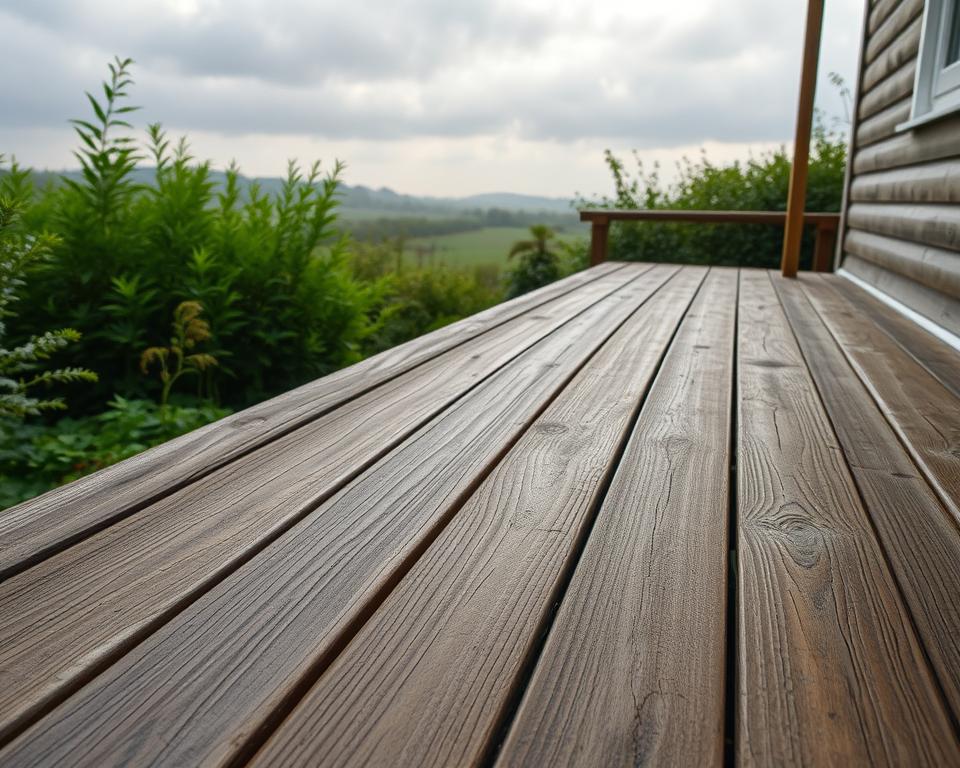
Decking materials must navigate the unique challenges of the UK climate with exceptional resilience. The constant humidity and frequent rainfall create a challenging environment for outdoor surfaces.
Weather Resistance Characteristics
When evaluating decking performance, several key factors emerge:
- Moisture absorption rates
- Temperature adaptation
- Slip resistance in wet conditions
- UV protection capabilities
Aesthetic Considerations
Decking aesthetics play a crucial role in maintaining visual appeal through changing weather conditions. Wood-plastic composite (WPC) decking often maintains its colour and texture more consistently compared to traditional wooden decking.
Practical Usage Factors
Practical decking solutions must balance functionality with visual appeal. The UK climate demands materials that can:
- Resist moisture penetration
- Prevent rapid colour fading
- Maintain structural integrity
- Provide safe walking surfaces
Choosing the right decking is about understanding how materials respond to Britain’s unique weather patterns.
Maintenance Requirements and Time Investment
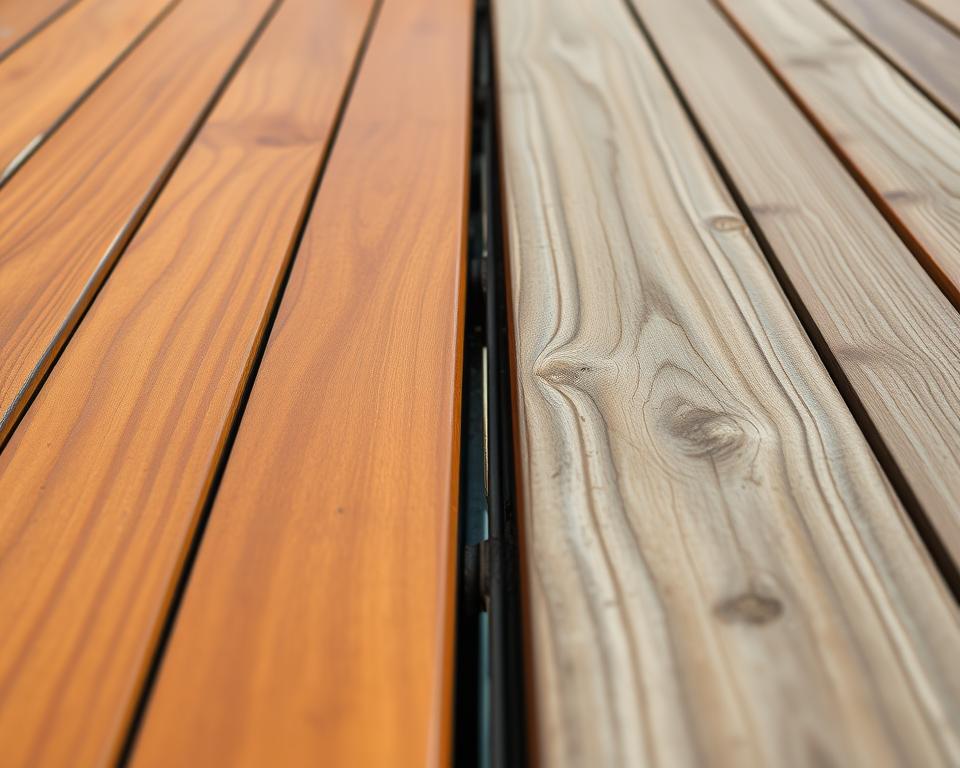
Decking maintenance varies significantly between wood and wood-plastic composite (WPC) materials. Understanding the time and effort required for each type helps homeowners make informed decisions about their outdoor spaces.
Wood decking demands more intensive wood treatment to preserve its appearance and structural integrity. Typical maintenance tasks include:
- Annual sanding to remove splinters
- Staining every 2-3 years
- Sealing to prevent water damage
- Regular cleaning to prevent mould growth
Composite care presents a markedly different approach. WPC decking requires minimal maintenance, making it an attractive option for busy homeowners. Cleaning becomes straightforward with simple techniques:
- Sweep debris regularly
- Use mild detergent and water for deep cleaning
- Avoid harsh chemical treatments
Time investment is crucial when comparing decking options. Wood decking might require up to 8-10 hours of annual maintenance, while composite decking typically needs less than 2 hours of care per year.
Choosing the right decking material can save significant time and effort in long-term maintenance.
Professional installers recommend creating a consistent cleaning routine to extend the lifespan of your decking, regardless of the material chosen. Regular care prevents potential damage and keeps your outdoor space looking pristine.
Environmental Impact and Sustainability
Decking choices have significant environmental implications. Selecting eco-friendly decking materials requires careful consideration of their carbon footprint, recycling potential, and overall sustainability.
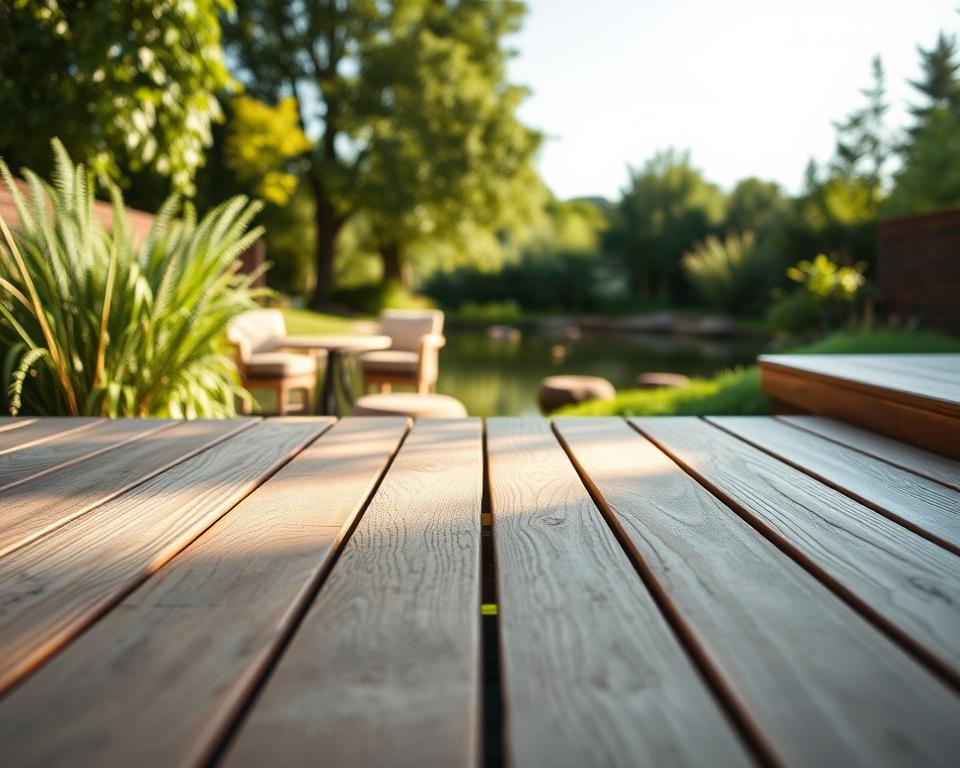
The environmental performance of decking materials varies dramatically. Sustainable materials play a crucial role in reducing ecological impact while maintaining aesthetic and functional requirements.
Carbon Footprint Analysis
When evaluating carbon footprint, different decking options demonstrate distinct environmental characteristics:
- Wood decking sourced from sustainable forests typically has lower initial carbon emissions
- Wood-Plastic Composite (WPC) decking utilises recycled plastic, reducing waste
- Manufacturing processes significantly influence overall carbon footprint
Recycling Potential
| Decking Material | Recycling Capability | Environmental Impact |
|---|---|---|
| Traditional Hardwood | Limited | High forest impact |
| WPC Decking | High | Reduces plastic waste |
Forest Conservation Aspects
Responsible decking choices contribute to forest preservation. Sustainable forestry practices ensure timber resources remain renewable and protected.
Consumers can make environmentally conscious decisions by selecting materials that minimise ecological disruption while meeting performance requirements.
Installation Process and Complexity
Decking installation presents unique challenges for homeowners considering wood or wood-plastic composite (WPC) materials. The complexity varies significantly between different decking options, influencing whether a project suits DIY decking approaches or requires professional installation.
Wood decking typically demands more specialised skills and tools. Professionals recommend careful preparation and precise cutting techniques. DIY enthusiasts might find traditional wood installation more labour-intensive, requiring:
- Precise measuring and cutting
- Regular treatment and sealing
- Advanced carpentry skills
- Specific woodworking tools
WPC decking installation offers a more straightforward approach. These materials are designed with user-friendly features that simplify the process. Professional installation remains recommended, but skilled DIY practitioners can often manage the project with basic woodworking knowledge.
Key considerations for successful decking installation include:
- Understanding material-specific requirements
- Preparing a stable, level foundation
- Allowing appropriate expansion gaps
- Using recommended fastening systems
Professional decking installation ensures optimal performance and longevity. While DIY approaches can save money, expert installers bring precision and technical expertise that significantly enhance the final result.
Careful planning and understanding of your chosen decking material will determine the success of your installation project.
Design Options and Aesthetic Versatility
Selecting the perfect decking design transforms outdoor spaces into stunning living areas. Homeowners now have exciting choices between traditional wood and modern composite materials, each offering unique aesthetic possibilities.
Wood decking designs showcase nature’s authentic beauty. Natural wood grain patterns create rich, organic textures that complement traditional and contemporary garden styles. Timber options range from warm cedar tones to deep mahogany hues, allowing personalised styling for every landscape.
- Softwood options with lighter grain patterns
- Hardwood selections featuring intricate wood grain designs
- Rustic and modern aesthetic possibilities
Composite styles present an innovative approach to decking designs. These materials offer extensive colour options that remain consistent over time. Manufacturers now produce composite decking that mimics natural wood grain patterns with remarkable precision, providing durability without sacrificing visual appeal.
Modern composite styles include:
- Stone-inspired textures
- Traditional wood-look finishes
- Contemporary smooth surfaces
Colour options for composite decking have expanded dramatically. Homeowners can select from earth tones, greys, charcoals, and even bold contemporary shades that resist fading and maintain their aesthetic charm for years.
Your outdoor space reflects your personal style – choose a decking design that speaks to you!
Whether preferring classic wooden charm or modern composite innovation, today’s decking solutions offer unprecedented design flexibility to create truly remarkable outdoor environments.
Conclusion
Selecting the best decking material requires careful consideration of multiple factors. The wood vs WPC decking debate isn’t about finding a universal winner, but understanding which option suits your specific requirements. Each homeowner’s decking choice will depend on personal preferences, budget constraints, and long-term maintenance expectations.
Your ideal decking material balances aesthetic appeal, durability, and practical performance. Traditional wood offers natural beauty and classic charm, while WPC decking provides modern convenience and reduced maintenance needs. The best decking material isn’t a one-size-fits-all solution but a personalised selection that aligns with your lifestyle and outdoor space design.
When evaluating wood vs WPC options, consider your local climate, budget, environmental concerns, and aesthetic preferences. British gardens demand materials that withstand variable weather conditions while maintaining visual appeal. Whether you prioritise sustainability, low maintenance, or traditional aesthetics, there’s a decking solution that meets your specific requirements.
Ultimately, your decking choice should reflect your unique needs. Research thoroughly, consult professionals, and visualise how each material will integrate with your outdoor environment. A well-informed decision ensures you’ll enjoy a beautiful, functional deck for years to come.
FAQ
What is the main difference between wood and WPC decking?
Wood decking is made from natural timber, while WPC (Wood-Plastic Composite) decking is a manufactured material combining wood fibres and recycled plastics. Wood offers a traditional, natural look, whereas WPC provides a more consistent appearance with enhanced durability and lower maintenance requirements.
How long does each type of decking typically last?
Wooden decking usually lasts 10-15 years with proper maintenance, while WPC decking can last 25-30 years. The lifespan depends on factors like weather exposure, maintenance, and initial quality of materials.
Is WPC decking more expensive than wooden decking?
Initially, WPC decking tends to have a higher upfront cost compared to traditional wooden decking. However, its lower maintenance requirements and longer lifespan can make it more cost-effective in the long run, potentially offering better value for money over time.
How does each decking type perform in wet British weather?
WPC decking typically performs better in damp conditions, as it’s more resistant to moisture, rot, and mould. Wooden decking requires regular treatment and sealing to prevent water damage and can become slippery when wet.
What maintenance is required for each decking type?
Wooden decking needs annual treatments like staining, sealing, and potential repairs. WPC decking requires minimal maintenance, typically just occasional cleaning with soap and water to remove dirt and debris.
Can I install decking myself, or do I need professional help?
Both wood and WPC decking can be DIY projects for those with moderate DIY skills. However, WPC decking is often slightly easier to install due to more consistent sizing and fewer variations in material. Professional installation is recommended for complex designs or if you’re unsure about your DIY capabilities.
Which decking option is more environmentally friendly?
WPC decking often uses recycled materials and has a longer lifespan, reducing waste. Wooden decking can be sustainable if sourced from certified forests. The most environmentally friendly option depends on specific manufacturing processes and sourcing of materials.
How do the design options compare between wood and WPC decking?
Wooden decking offers natural grain patterns and can be stained in various colours. WPC decking provides more consistent colours and textures, with options that mimic wood grain while offering more colour stability over time.
Will my decking fade or change colour over time?
Wooden decking naturally weathers to a silvery-grey if untreated, or can maintain its colour with regular staining. WPC decking may experience some initial colour fading but generally maintains its appearance more consistently over time.
Which decking is better for areas with high foot traffic?
WPC decking typically performs better in high-traffic areas, as it’s more resistant to wear and tear, splinters, and general damage. Wooden decking may require more frequent maintenance and can show signs of wear more quickly.