Installing a Green Roof on a Garden Shed | DIY Guide
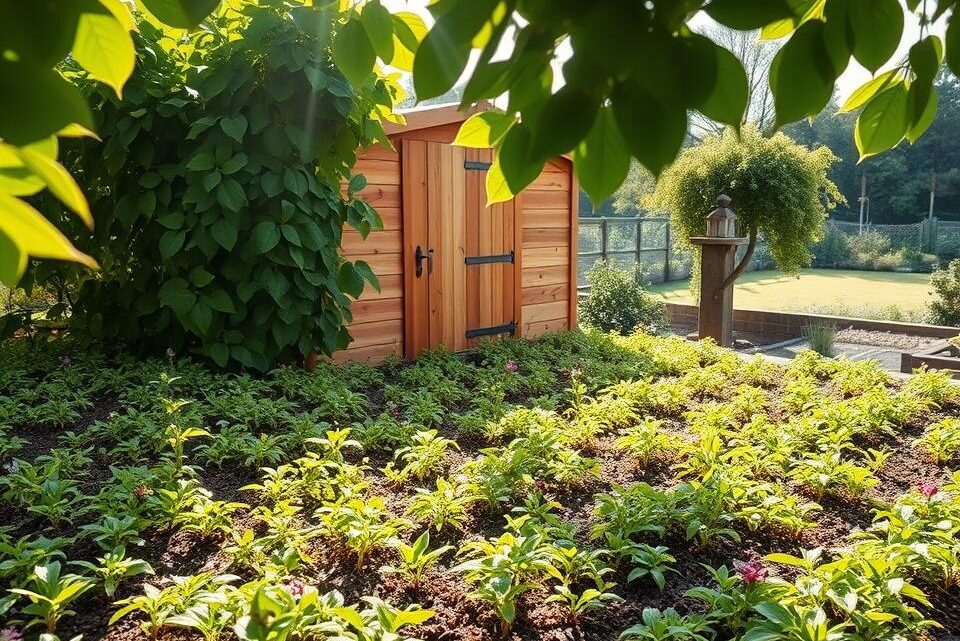
Green roof installation has transformed garden shed design across the United Kingdom, offering homeowners an innovative approach to DIY garden shed improvement. This sustainable roofing method combines ecological benefits with practical home enhancement, creating a stunning addition to outdoor spaces.
Transforming your garden shed with a green roof is an accessible project that brings multiple advantages. From environmental protection to aesthetic appeal, DIY green roof techniques provide garden enthusiasts with an exciting opportunity to upgrade their outdoor structures.
Our comprehensive guide will walk you through each step of creating a thriving living roof, ensuring you can confidently tackle this rewarding home improvement project with expert-level insights and practical techniques.
Inhaltsverzeichnis
Key Takeaways
- Sustainable roofing solution for garden sheds
- Enhances environmental garden design
- Improves garden shed insulation
- Increases property aesthetic value
- Cost-effective home improvement technique
- Supports local biodiversity
- Reduces urban heat island effect
Understanding Green Roof Benefits for Garden Sheds
Green roof benefits extend far beyond simple aesthetics, transforming an ordinary garden shed into an environmentally friendly and visually stunning structure. These innovative roofing solutions offer a remarkable blend of practical advantages and ecological improvements for homeowners seeking sustainable garden improvements.
Installing a green roof on your garden shed provides multiple compelling advantages that make this project truly worthwhile. Let’s explore the key benefits that make this ecological upgrade an intelligent choice.
Environmental Advantages
Green roofs deliver significant environmental advantages by creating miniature ecosystems atop your garden shed. These living roofs contribute to urban biodiversity, supporting local wildlife and plant species. Key environmental benefits include:
- Improved air quality through natural plant filtration
- Reduced urban heat island effect
- Enhanced local ecosystem support
- Natural carbon dioxide absorption
Cost-Saving Benefits
Beyond environmental advantages, green roofs offer substantial cost savings for homeowners. The vegetation layer provides excellent insulation, helping to regulate temperature and reduce energy consumption. These cost-saving benefits include:
- Reduced heating and cooling expenses
- Extended roof lifespan
- Lower maintenance requirements
- Potential property value increase
Aesthetic Value Addition
A green roof transforms an ordinary garden shed into a living architectural feature. The aesthetic improvement creates a seamless connection between your structure and the surrounding landscape, generating a natural and visually appealing element that enhances your garden’s overall design.
By embracing green roof technology, you’re not just upgrading a shed—you’re making a meaningful investment in sustainable living that benefits both your property and the environment.
Essential Tools and Materials Needed
Creating a green roof for your garden shed requires careful preparation and specific green roof materials. DIY enthusiasts will need a comprehensive toolkit to ensure a successful installation.
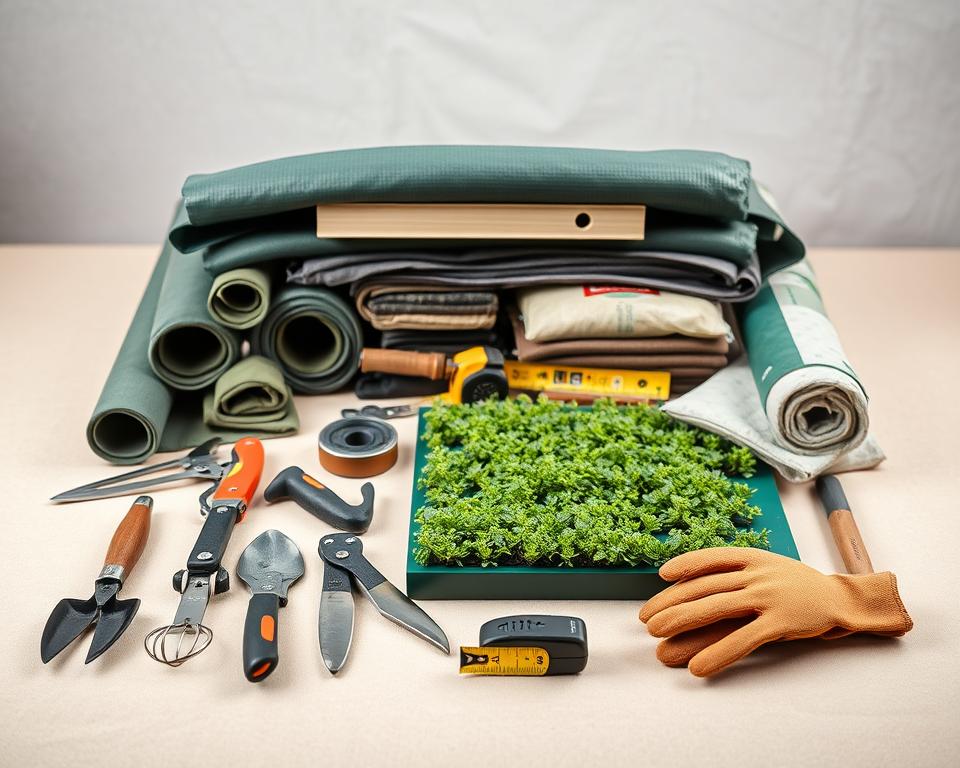
Before beginning your shed roof installation equipment selection, consider the following essential categories:
- Protective Waterproofing Materials
- EPDM rubber membrane
- Liquid waterproofing sealant
- Root barrier protection
- Drainage and Growing Layers
- Drainage mat
- Geotextile filter fabric
- Lightweight growing medium
Your DIY tools for green roof installation should include precision measuring equipment and safety gear:
| Tool Category | Specific Items |
|---|---|
| Measuring Tools | Laser measure, spirit level, measuring tape |
| Cutting Equipment | Utility knife, heavy-duty scissors, trimming shears |
| Safety Gear | Work gloves, safety glasses, non-slip shoes |
Pro tip: Invest in quality tools that will support precise green roof materials installation and ensure long-term durability.
When selecting shed roof installation equipment, prioritise items that offer durability and functionality. Your choices will directly impact the success of your green roof project.
Assessing Your Shed’s Structural Requirements
Before transforming your garden shed into a green roof paradise, a thorough shed structural assessment is crucial. Understanding your shed’s capacity to support additional weight will prevent potential structural failures and ensure a successful green roof installation.
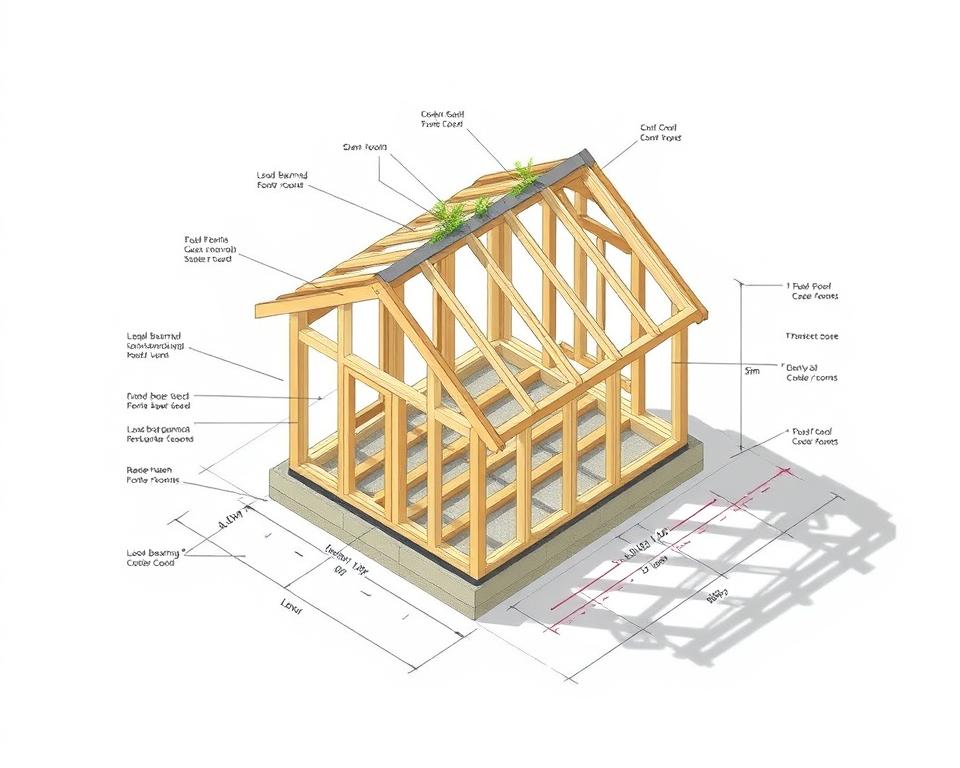
- Inspect the existing shed framework
- Determine current load-bearing capabilities
- Assess potential reinforcement needs
Weight-Bearing Capacity
The weight-bearing capacity of your shed determines whether it can support a green roof. Most standard garden sheds require structural reinforcement to manage the additional load of soil, plants, and water retention.
- Typical shed load limit: 20-30 kg per square metre
- Green roof additional weight: 60-150 kg per square metre
- Professional assessment recommended
Roof Pitch Considerations
Roof pitch plays a critical role in green roof success. An ideal pitch ranges between 0-15 degrees, ensuring proper drainage without compromising structural integrity.
Support Beam Requirements
Strengthening support beams might be necessary to distribute the green roof’s weight evenly. Consider adding extra cross-bracing or reinforcing existing timber frames to enhance structural stability.
Pro tip: Always consult a structural engineer for definitive guidance on shed modifications.
Waterproofing and Membrane Selection
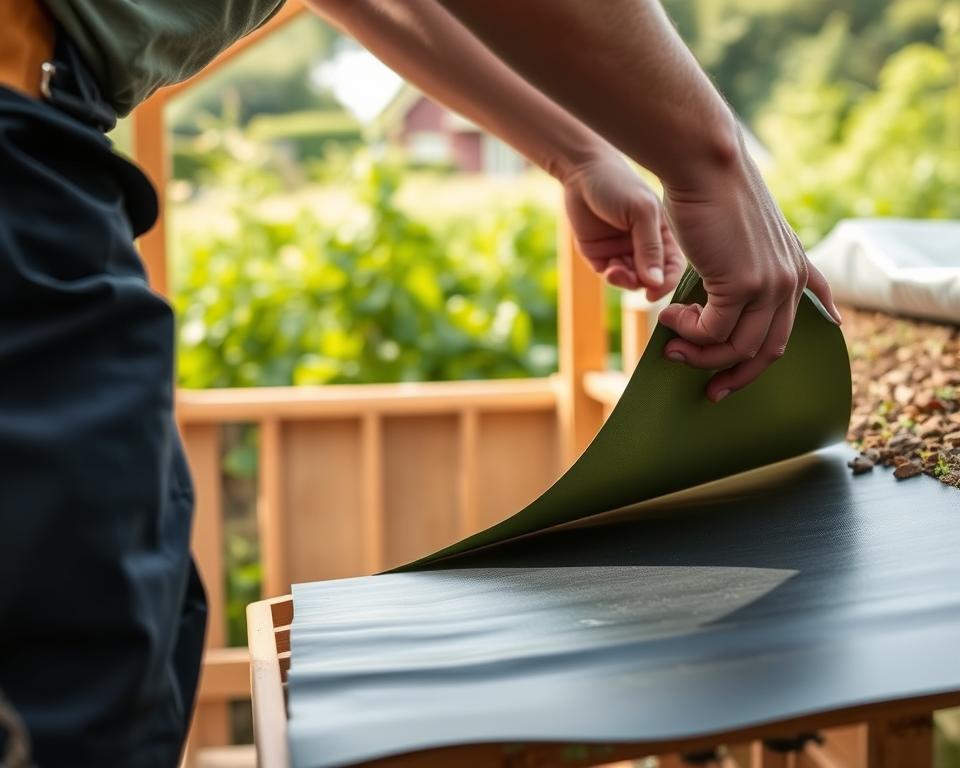
Selecting the right waterproof membranes is crucial for successful green roof waterproofing on garden sheds. Shed roof protection begins with understanding the critical role of high-quality waterproofing materials.
Green roof waterproofing involves multiple layers designed to prevent moisture penetration and protect the underlying structure. Different membrane types offer unique advantages for garden shed installations.
- Bituminous membranes: Durable and cost-effective
- Synthetic rubber membranes: Flexible and long-lasting
- Liquid-applied membranes: Seamless protection
When choosing waterproof membranes, consider these essential factors:
| Membrane Type | Durability | Cost | Installation Complexity |
|---|---|---|---|
| Bituminous | High | Low | Moderate |
| EPDM Rubber | Very High | Medium | Easy |
| Liquid-Applied | Good | High | Complex |
Professional installers recommend checking the membrane’s root resistance and UV stability. These characteristics ensure long-term protection against plant root penetration and sun damage.
Proper waterproofing is your first defence against structural damage and costly repairs.
Budget-conscious gardeners should invest in quality waterproof membranes to prevent future moisture-related issues. Professional installation can significantly extend the lifespan of your green roof system.
Installing a Green Roof on a Garden Shed
Transforming your garden shed with a green roof requires careful preparation and precise execution. The green roof installation process demands attention to detail and systematic approach. This guide will walk you through the essential steps to create a successful and sustainable rooftop garden.
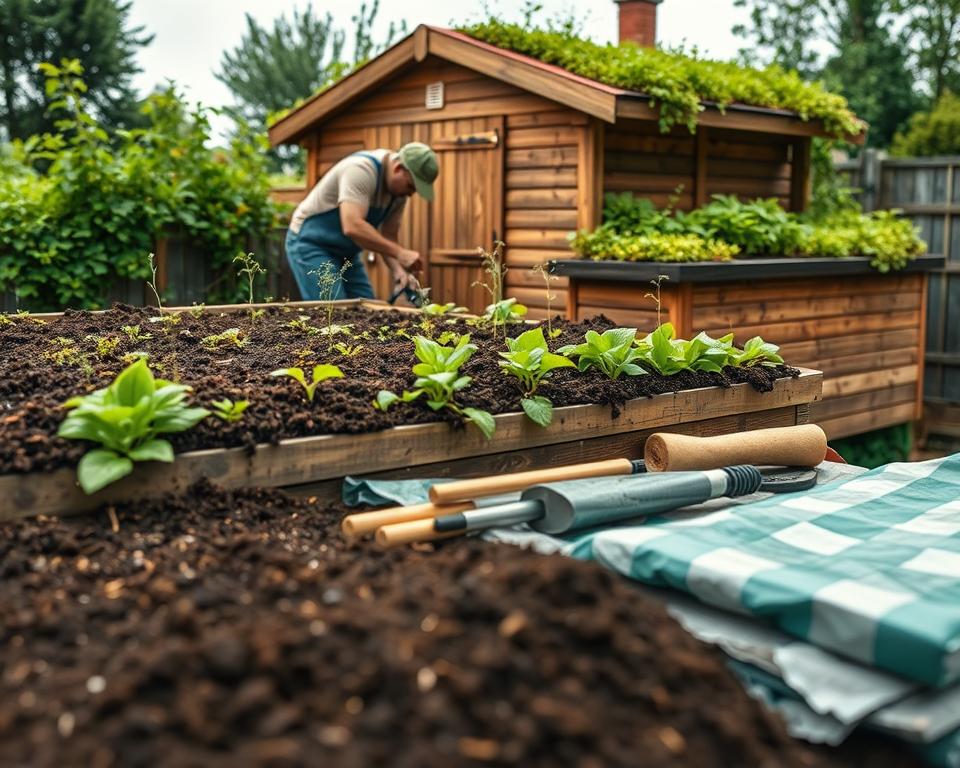
Successful green roof implementation begins with understanding the critical layers that ensure longevity and plant health. Each component plays a vital role in creating a thriving green roof environment.
Membrane Installation Steps
The membrane installation is crucial for protecting your shed’s structure from water damage. Follow these key steps:
- Clean the existing roof surface thoroughly
- Inspect for any structural damages or weak points
- Apply a waterproof root-resistant membrane
- Ensure complete coverage with no gaps
- Seal all edges and potential entry points
Drainage Layer Placement
Creating an effective drainage layer prevents water accumulation and supports plant root systems. Select a high-quality drainage mat designed specifically for green roof applications.
- Roll out drainage layer evenly
- Secure with appropriate fixings
- Check for proper water flow channels
- Overlap edges to prevent water seepage
Growing Medium Application
The growing medium is the foundation for plant survival. Choose a lightweight, nutrient-rich substrate specifically engineered for extensive green roof systems.
- Spread growing medium evenly
- Maintain recommended depth (typically 7-15 cm)
- Ensure proper compaction
- Create slight gradient for water drainage
Pro tip: Select a growing medium with excellent water retention and low weight to minimise structural stress on your garden shed.
Choosing Suitable Plants for Your Green Roof
Creating a thriving green roof requires careful selection of suitable vegetation. The right green roof plants can transform your garden shed into a vibrant, sustainable ecosystem that withstands challenging environmental conditions.
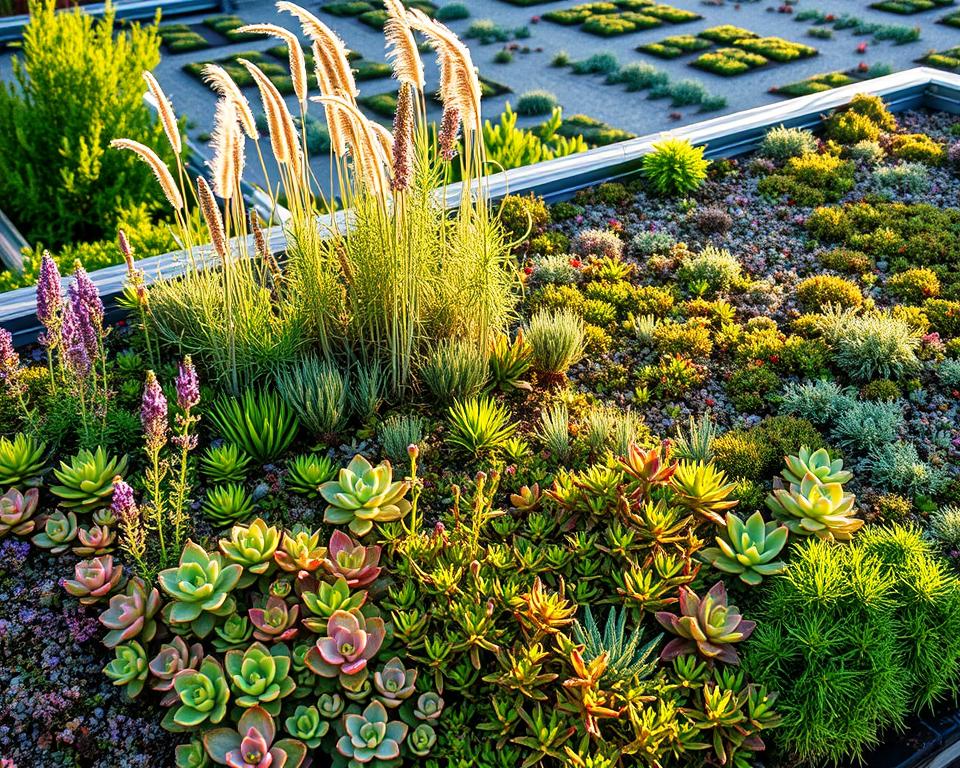
When selecting plants for your green roof, focus on drought-resistant plants that can survive in challenging rooftop environments. These plants must tolerate extreme temperatures, minimal soil depth, and limited water resources.
- Sedum species: Incredibly resilient succulents
- Wildflowers native to the UK: Adaptable and low-maintenance
- Ornamental grasses: Provide visual interest and structural stability
Ideal green roof plants should have specific characteristics:
- Shallow root systems
- High wind resistance
- Minimal water requirements
- Ability to withstand direct sunlight
Consider local climate conditions when choosing suitable vegetation. UK gardens benefit from plants that can survive sporadic rainfall and temperature fluctuations. Succulent varieties like Sedum spectabile and Sempervivum are particularly effective for green roof environments.
Expert gardeners recommend creating a diverse plant ecosystem that supports local wildlife while maintaining low maintenance requirements. This approach ensures your green roof remains healthy and visually appealing throughout different seasons.
Drainage System Installation and Management
Creating an effective green roof drainage system is crucial for the long-term success of your garden shed’s living roof. Proper water management ensures the health of your plants and protects the structural integrity of both the roof and the underlying shed.
A well-designed green roof drainage solution prevents water accumulation and potential damage. The key is to implement a strategic approach that manages water flow while providing easy maintenance access.
Water Flow Solutions
- Install a multi-layer drainage system with specialised membranes
- Use lightweight drainage boards with water retention capabilities
- Create slight roof slopes to facilitate natural water runoff
Green roof drainage requires careful planning. The drainage layer should:
- Redirect excess water quickly
- Prevent root penetration
- Protect the waterproofing membrane
Maintenance Access Points
Strategic maintenance access is vital for long-term green roof management. Consider these design elements:
| Access Point | Purpose | Recommended Design |
|---|---|---|
| Roof Edges | Inspection and Plant Care | Reinforced walkways |
| Central Pathway | Full Roof Maintenance | Stepping stones or lightweight grid |
“A well-planned drainage system is the backbone of a successful green roof,” says landscape architect Emily Roberts.
By implementing these water management strategies, you’ll create a resilient green roof that thrives with minimal intervention.
Seasonal Maintenance Guidelines
Green roof maintenance is a crucial aspect of preserving the health and longevity of your garden shed’s living roof. Seasonal care requires a strategic approach to DIY roof upkeep that adapts to changing environmental conditions throughout the year.
Each season brings unique challenges and maintenance requirements for your green roof. Proper care ensures the continued vitality of your plant ecosystem and protects the underlying roof structure.
Seasonal Maintenance Checklist
- Spring Green Roof Care
- Inspect for winter damage
- Remove debris and dead plant material
- Check drainage systems
- Replant areas with sparse vegetation
- Summer Maintenance
- Regular watering during dry spells
- Monitor plant health
- Control invasive plant growth
- Check irrigation systems
- Autumn Preparation
- Trim back overgrown plants
- Remove fallen leaves
- Inspect waterproofing membrane
- Prepare for winter protection
- Winter Protection
- Clear snow carefully
- Protect vulnerable plant species
- Check for ice dam formation
- Ensure drainage remains unblocked
DIY roof upkeep doesn’t have to be complicated. With a systematic approach to green roof maintenance, you can keep your living roof healthy and thriving throughout the year.
| Season | Key Maintenance Tasks | Frequency |
|---|---|---|
| Spring | Damage inspection, debris removal | Monthly |
| Summer | Watering, plant health monitoring | Weekly |
| Autumn | Plant trimming, membrane check | Bi-monthly |
| Winter | Snow clearing, drainage protection | As needed |
Remember, consistent care is the key to a successful and sustainable green roof.
Troubleshooting Common Issues
Green roof problems can emerge unexpectedly, even with meticulous planning and installation. Understanding potential challenges helps gardeners maintain a healthy and sustainable rooftop garden. This guide will walk you through critical areas of concern and practical solutions.
Leak Prevention Strategies
Preventing water infiltration remains crucial for green roof longevity. Key leak prevention techniques include:
- Regular membrane inspections
- Checking waterproofing layers annually
- Repairing minor cracks immediately
- Ensuring proper drainage systems
Managing Plant Health
Maintaining robust plant health requires strategic approaches. Gardeners should monitor vegetation closely, watching for signs of stress or disease. Selecting native, drought-resistant plants helps ensure survival and reduces maintenance challenges.
- Choose plants suited to local climate
- Implement proper irrigation techniques
- Control invasive species
- Perform regular nutrient assessments
Addressing Structural Issues
Structural concerns demand proactive management. Weight distribution and support beam integrity are paramount for green roof stability. Regular professional assessments can prevent potential structural damage.
- Check load-bearing capacity annually
- Inspect support beams for signs of strain
- Monitor roof pitch and drainage
- Consult structural engineers periodically
By implementing these strategies, gardeners can effectively manage green roof problems, ensuring a thriving and sustainable rooftop ecosystem.
Cost Breakdown and Budget Planning
Planning your green roof costs requires careful consideration of multiple factors. DIY budget planning for a garden shed green roof involves understanding the various installation expenses that contribute to the total project investment.
The primary expenses for a green roof project typically include:
- Waterproofing membrane: £50-£150
- Drainage layer materials: £30-£80
- Growing medium: £40-£120
- Plant selection: £50-£200
- Basic tools and equipment: £100-£250
Green roof costs can vary depending on your shed’s size and the complexity of the installation. A typical DIY project for a small garden shed might range between £250-£800, which is significantly less expensive than professional installation.
Pro tip: Invest in quality waterproofing and drainage materials to prevent long-term structural damage and reduce maintenance expenses.
Budget-conscious gardeners can reduce installation expenses by:
- Sourcing materials from local suppliers
- Selecting native, low-maintenance plant species
- Reusing existing tools
- Completing the project in stages
While initial green roof costs might seem substantial, the long-term benefits of improved insulation, increased property value, and environmental sustainability make this a worthwhile investment for eco-conscious homeowners.
Conclusion
Creating a green roof on your garden shed represents an exciting journey into sustainable gardening. The DIY installation success you’ll experience goes beyond simple home improvement, offering a unique opportunity to enhance your outdoor space while contributing to environmental conservation.
Green roof benefits extend far beyond aesthetic appeal. By implementing this eco-friendly solution, you’re reducing urban heat island effects, improving local biodiversity, and creating a natural insulation system for your garden shed. The process might seem challenging, but with careful planning and attention to detail, anyone can achieve remarkable results.
Your commitment to sustainable gardening doesn’t just stop with this project. Each green roof installation contributes to a larger environmental movement, helping to create healthier urban and suburban ecosystems. The skills you’ve learned will empower you to continue making environmentally conscious choices in your garden and home improvements.
Remember that your green roof is a living, breathing ecosystem that will evolve and change with seasons. Regular maintenance, careful plant selection, and ongoing care will ensure your garden shed transformation remains a beautiful and functional addition to your outdoor space for years to come.
FAQ
What is a green roof, and why should I consider installing one on my garden shed?
A green roof is a roof partially or completely covered with vegetation and a growing medium, planted over a waterproofing membrane. It offers numerous benefits, including improved environmental sustainability, enhanced garden aesthetics, better insulation, and increased biodiversity in your outdoor space.
How much weight can my garden shed support for a green roof?
The weight-bearing capacity varies depending on your shed’s construction. Typically, you’ll need to assess the structural integrity of your shed, with most standard garden sheds requiring additional reinforcement to support a green roof. It’s crucial to consult a structural expert or carefully measure your shed’s existing support beams before installation.
What are the best plants for a green roof in the UK climate?
Ideal plants for UK green roofs include sedum, wildflowers, and other drought-resistant, shallow-rooted species. These plants can withstand variable weather conditions, require minimal maintenance, and provide excellent ecological benefits. Sedums are particularly popular due to their low-growing nature and ability to thrive in challenging roof environments.
How much does it cost to install a green roof on a garden shed?
The cost can range from £50 to £200 per square metre, depending on the complexity of the installation and materials used. Factors influencing the price include waterproofing membranes, drainage systems, growing medium, and plant selection. DIY installation can significantly reduce costs compared to professional services.
Do I need planning permission for a green roof on my garden shed?
In most cases, a green roof on an existing garden shed falls under permitted development. However, it’s always recommended to check with your local council, especially if you live in a conservation area or have specific local restrictions. Some areas may require additional permissions for structural modifications.
How do I maintain a green roof throughout the year?
Seasonal maintenance includes spring cleaning, removing debris, checking drainage systems, and trimming plants. In summer, occasional watering may be necessary during dry spells. Autumn requires removing fallen leaves and preparing for winter, while winter maintenance involves ensuring proper drainage and protecting more delicate plants.
Can a green roof help with home insulation?
Absolutely! A green roof provides excellent natural insulation, helping to keep your garden shed cooler in summer and warmer in winter. The vegetation and growing medium act as an additional layer of thermal protection, potentially reducing energy costs and creating a more comfortable environment.
What are the biggest challenges in installing a green roof?
The main challenges include ensuring proper waterproofing, managing weight distribution, selecting appropriate plants, and maintaining a suitable drainage system. It requires careful planning, potentially additional structural support, and ongoing maintenance to ensure the long-term success of your green roof project.